Nitrogen in turf management
Text Kris Vandekerckhove / IntergrowImage Koen verhelst
Choosing quality over maximum growth
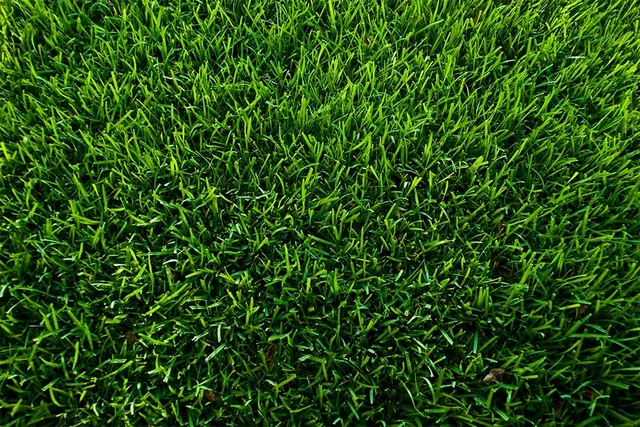
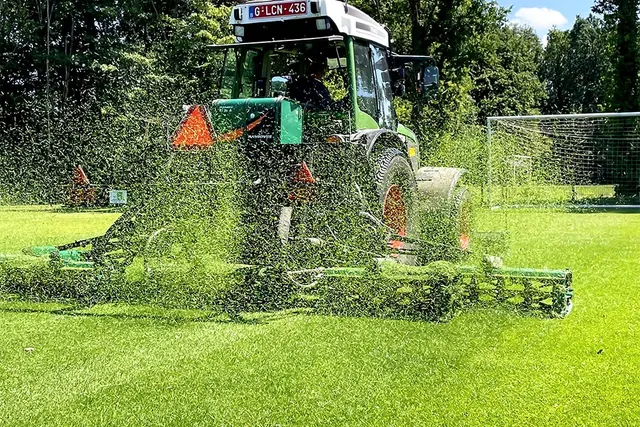
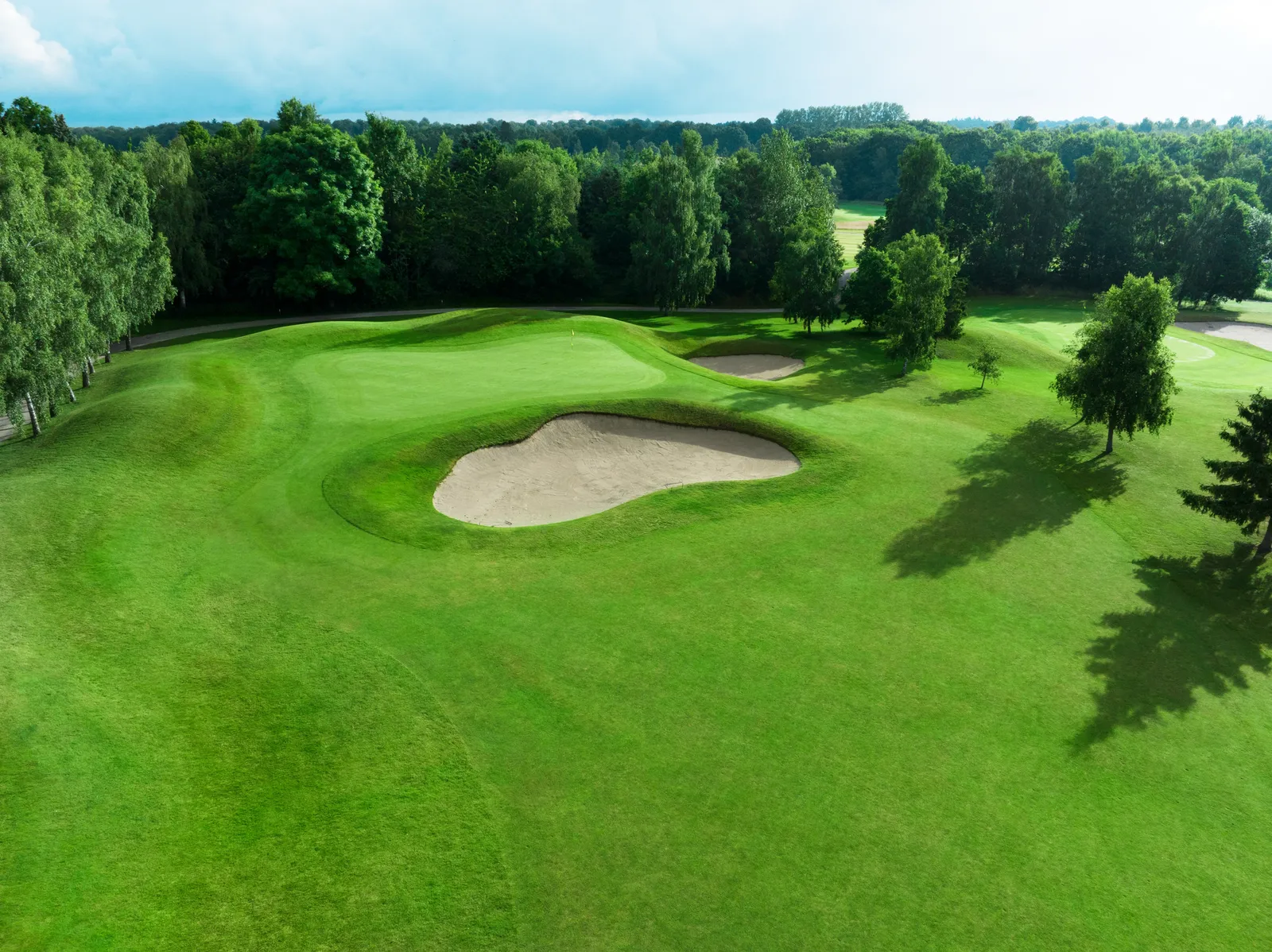
Nitrogen is the most important nutrient in the management of sports pitches, golf courses, public green spaces and high-quality lawns. It largely determines the growth rate, colour, recovery capacity and density of the sward. However, successful turf management is not about maximising growth, but about achieving balanced development of the leaves, roots and soil life.
Excess nitrogen can have undesirable effects. Grass that is continually stimulated to produce rapid leaf growth often develops a shallower root system, is more susceptible to drought stress and is generally less resistant to disease and intensive use. The risk of thatch build-up also increases, restricting the exchange of water and air in the soil. The focus is therefore shifting increasingly from maximum growth to controlled growth, with the aim of producing a strong, sustainable and manageable sward.
Nitrate: quick results, but less sustainable
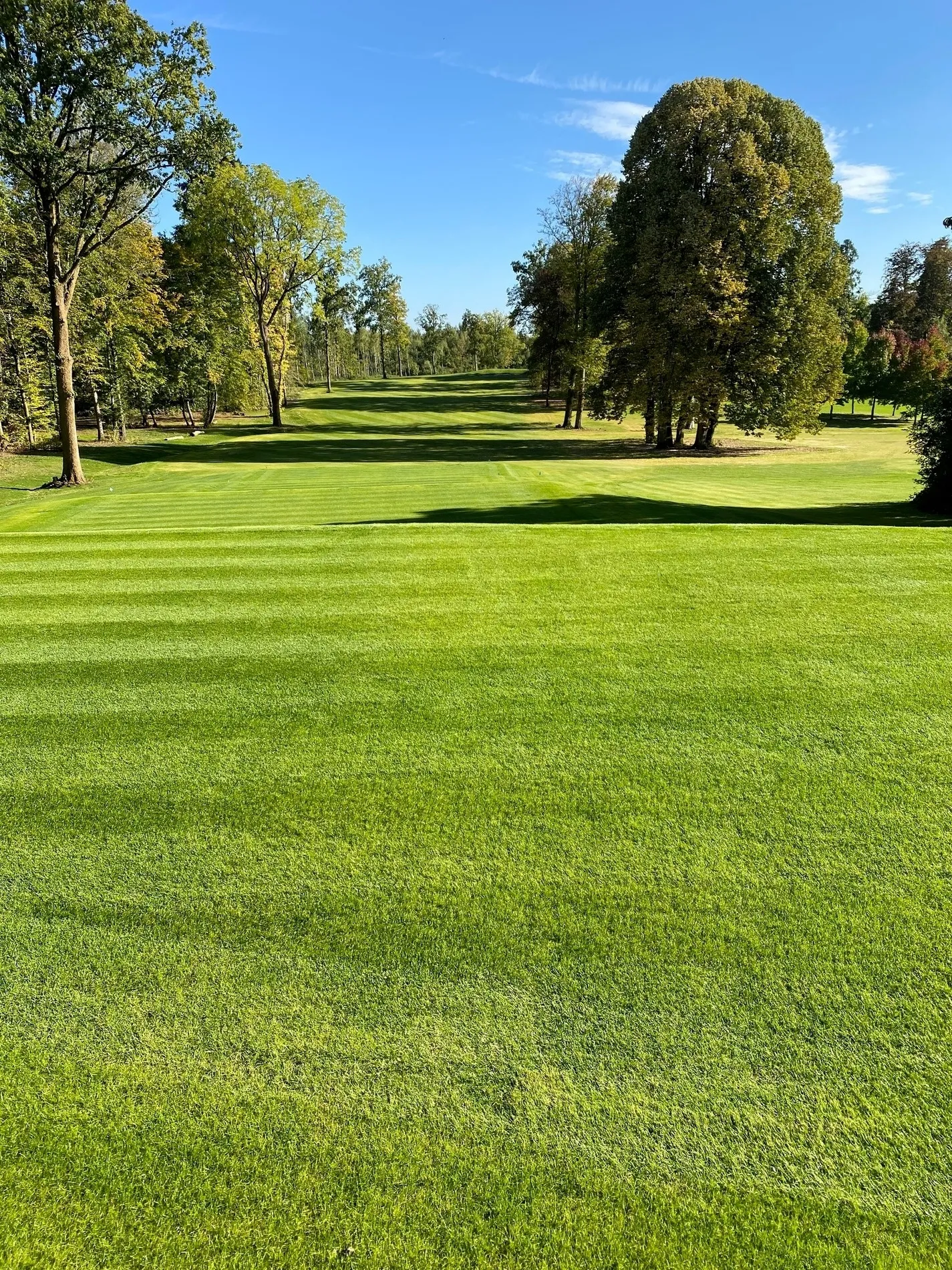
Nitrate nitrogen (NO3-) is the form of nitrogen most readily available to grass. As it is easily taken up with soil water, it produces a rapid, visible effect on colour and growth. This makes nitrate useful for repairs, overseeding projects and other situations where a quick response is desirable.
However, its high availability has a downside. Nitrate binds only weakly to soil particles and is therefore susceptible to leaching, particularly on sandy soils, intensively irrigated sports pitches and during wet periods. Nitrate also mainly stimulates cell elongation. The plant takes up extra water to maintain the balance of salt concentrations, resulting in longer, softer cells. The outcome is often a deep-green sward that looks attractive but is less firm, less able to withstand wear and more demanding to maintain. Nitrate is therefore used mainly as a corrective or supplementary source of nitrogen.
Ammonium: investing in root development
Ammonium nitrogen (NH4+-N) is efficiently taken up by many grass species and converted directly into amino acids, the building blocks of proteins. As ammonium has a positive charge, it binds to clay and humus particles. This keeps it available in the root zone for longer and reduces the risk of leaching.
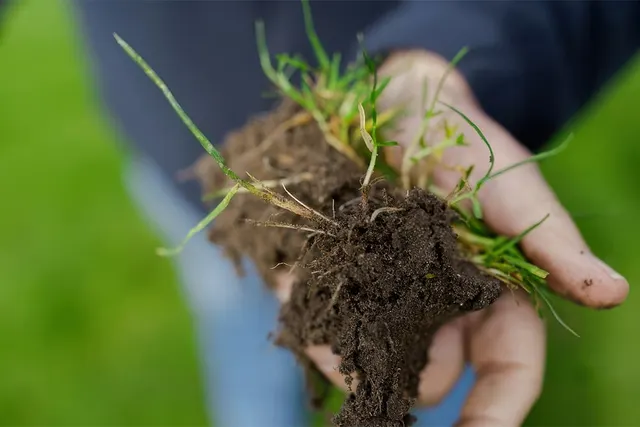
A fertilisation strategy with a higher proportion of ammonium often leads to stronger root development, better tillering, more compact turf growth, greater drought and stress tolerance, and more efficient nutrient use. Ammonium also increases the availability of nutrients including phosphate, iron and trace elements. On sports pitches, golf courses and high-quality lawns, this approach can also help reduce the competitiveness of annual meadow-grass (Poa annua), while benefiting the desired grass species.
Urea: efficient when applied correctly
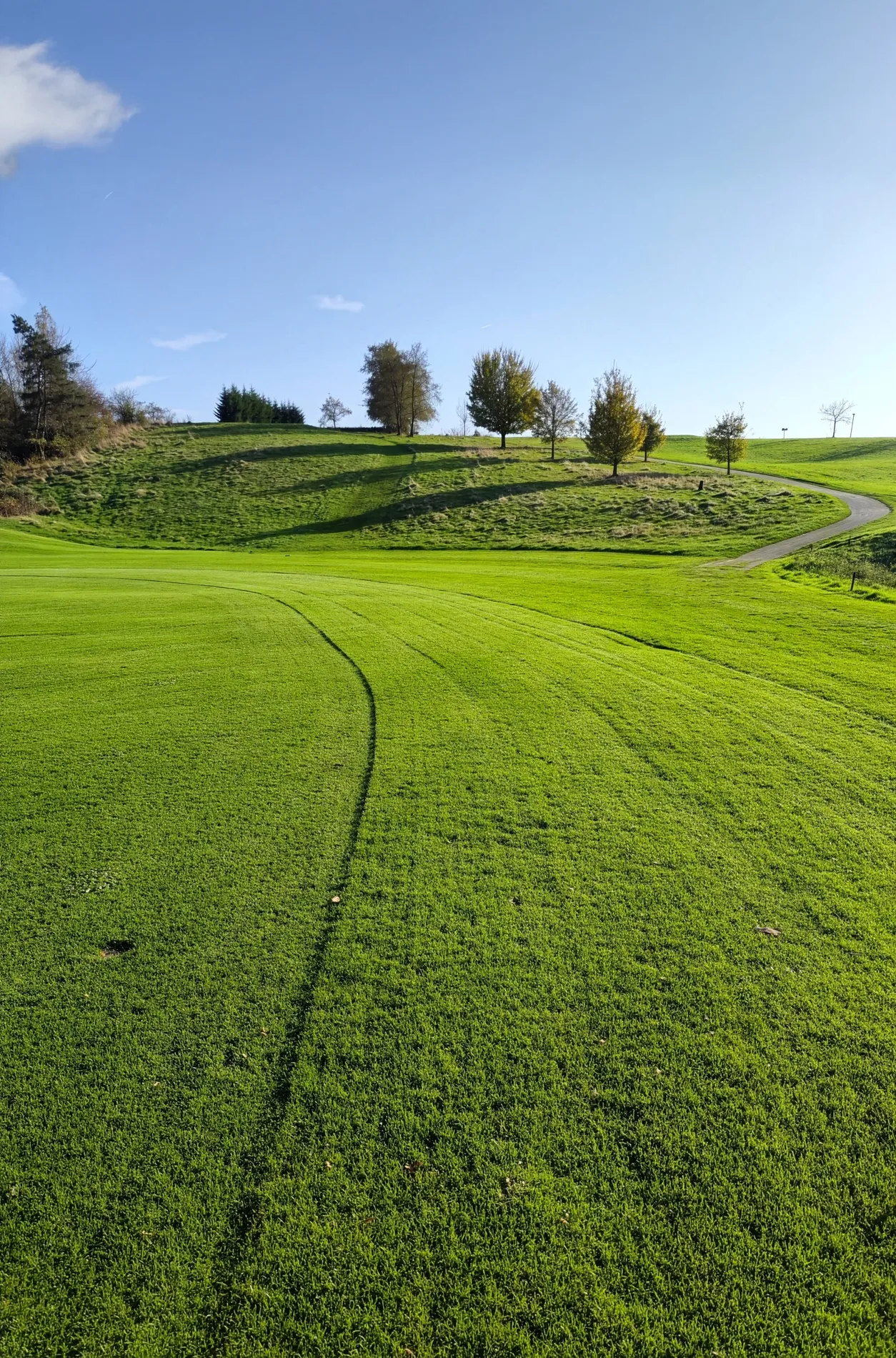
With around 46% nitrogen, urea is one of the most widely used nitrogen fertilisers in the world. However, before the nitrogen becomes available to the plant, urea must first be converted into ammonium and then partly into nitrate. This conversion depends on soil temperature, moisture and microbial activity.
If urea remains on the soil surface for a prolonged period, for example in dry weather or without sufficient irrigation, ammonia volatilisation can occur. Some of the nitrogen is then lost. Urea is therefore most effective when there is sufficient soil moisture or when the area is irrigated immediately after application. Urease inhibitors can also improve nutrient use.

Slow-release and organic nitrogen
More and more grounds managers are opting for slow-release nitrogen sources such as methylene urea (MU), IBDU and other controlled-release compounds. These release nitrogen gradually, in line with grass growth and soil biological activity. This avoids growth peaks and helps keep sward development more stable.
The benefits include fewer growth fluctuations, less leaching and volatilisation, deeper root formation, more consistent playing quality and lower maintenance demands. Although these products often cost more to buy, they can reduce maintenance and repair costs.
Organic nitrogen sources such as lucerne, soya, blood meal and horn meal are also growing in importance. They feed not only the grass but also the soil life. This encourages the build-up of organic matter, improves soil structure and contributes to better water management, greater nutrient availability, the breakdown of thatch layers and a more resilient sward.

Soil and timing determine the results
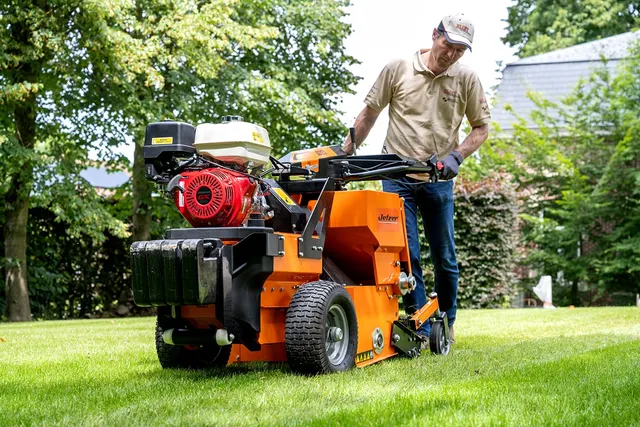
The effectiveness of nitrogen fertilisation depends on more than the fertiliser chosen. Healthy soil provides the basis for efficient nutrient uptake. Compaction, oxygen deficiency, poor drainage and limited microbial activity reduce the grass’s capacity to take up nutrients and increase the risk of nitrogen losses. Regular aeration, attention to organic matter and good water management therefore remain essential.
Soil temperature also plays an important role. Below 6 °C, nitrogen uptake is very limited. Root activity starts at around 7 to 8 °C, and uptake is optimal between 9 and 12 °C.
As annual meadow-grass (Poa annua) generally responds to nitrogen more quickly than perennial ryegrass or red fescue, many golf courses opt for a cautious approach to fertilising in early spring. Iron treatments, biostimulants or soil-improvement measures are often used first.
Ultimately, successful turf management calls for the right form of nitrogen at the right time, tailored to soil conditions and management objectives. The aim is not the fastest-growing sward, but one that remains strong, healthy, sustainable and fit for the future.
Question about this story? Ask your question
Keep following this
Get an email when a new story is published. No account needed.
- ThemeKeeping turf strong and playable
- SubjectTurf management