Tailored grass varieties: mix & match
Text Katrien De VochtImage DLF
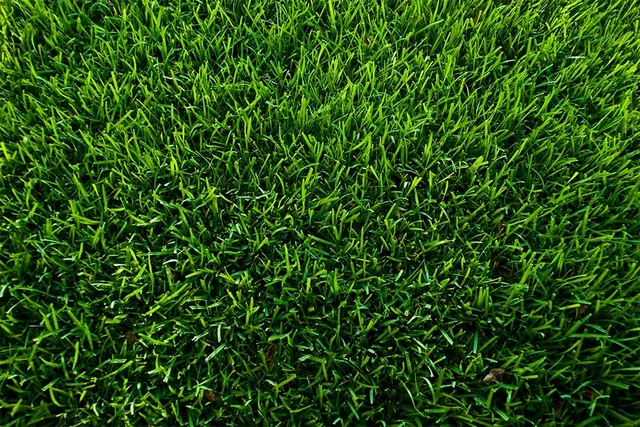
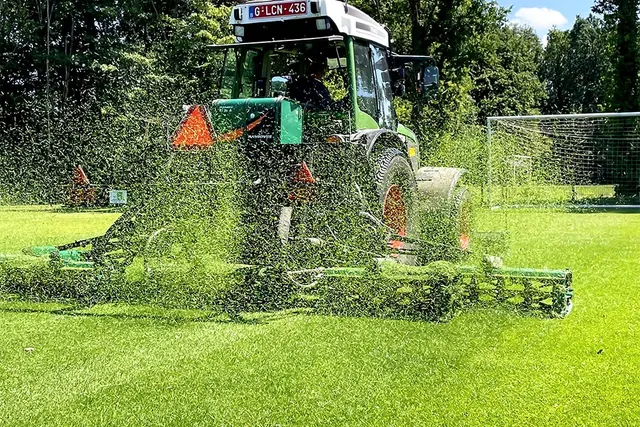
Climate change can no longer be ignored. This is one of the reasons why solutions and innovative ideas are being sought to reduce its impact. The same applies to grasses for professional use. Where our climate used to be an ally in looking after your sports pitch or lawn, things can now be a little more challenging. Enter DLF, based in Kapelle, the Netherlands. With countless species, varieties and mixtures, the company meets the needs of professional grass users.
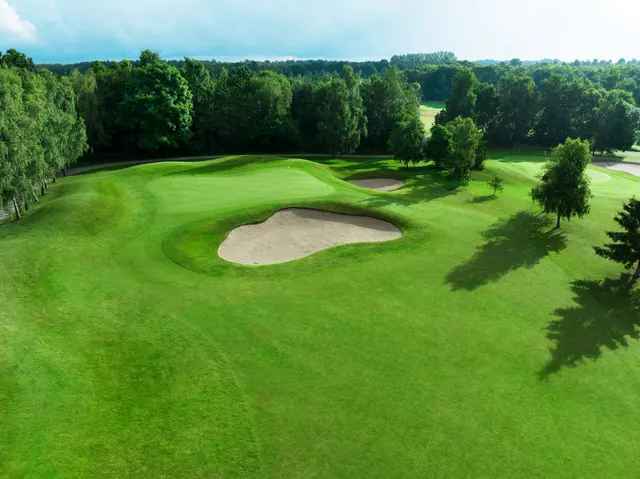
“Climate is of course not the only consideration,” says Erik Dolstra, amenity grass specialist at DLF. “The quality of the grass on golf courses and football pitches simply has to be good. Our mixtures are more resistant to diseases and fungi, so they help address that challenge. Years of trial and error have brought us to where we are today: we know, for example, that a mixture of perennial ryegrass and smooth-stalked meadow-grass is a very strong combination.” On golf courses, investing in grass mixtures with high disease tolerance reduces the frequency and severity of problems such as brown patches and fungal growth. The result is a better-looking course and an improved playing experience for golfers of all abilities. A perfect green for a top hole-in-one!
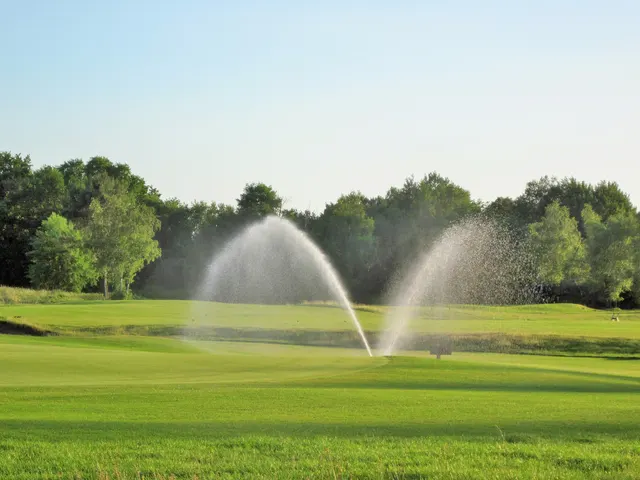
Another important consideration is tolerance to drought and salt. “Drought tolerance is essential given generally rising temperatures and unpredictable rainfall,” says Dolstra. Grasses with high drought tolerance survive with limited water and also recover more quickly after drought. Grass mixtures with good drought tolerance have become indispensable during increasingly long periods of drought and the associated irrigation restrictions.
For golf courses and other sports pitches in coastal areas, salt tolerance is a necessary trait. Irrigation water with a high salt content can lead to salt accumulation and, as you would expect, this is harmful to many traditional grass species. Salt-tolerant grasses offer a solution to this problem.
Grass guide
So which grass mixture is right for your application? The handy Grass Guide will point you in the right direction. It is a useful tool that provides a detailed list of grass species tested and assessed for characteristics such as disease resistance, wear tolerance and seasonal appearance. The guide helps every greenkeeper choose a suitable grass species based on specific climatic and environmental conditions. Be sure to ask a grass specialist for advice too, such as Erik Dolstra of DLF.
Grass mixtures: stronger together
It all starts with selecting the right grass genetics. This choice is the foundation of a healthy, resilient sward. High-quality grass mixtures with optimal genetics help your sward cope better with the challenges of a changing climate.
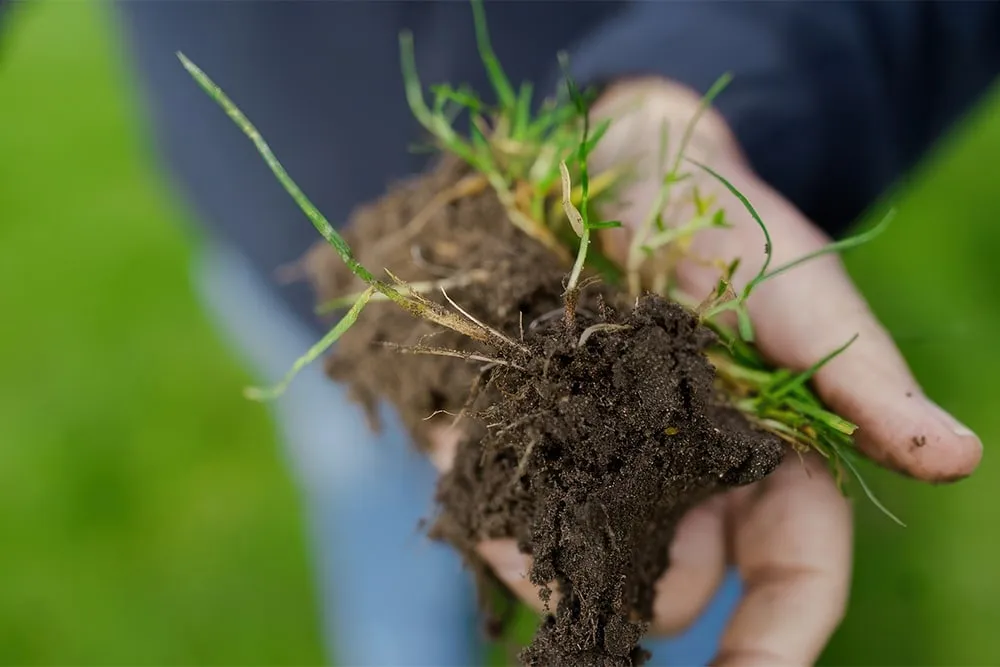
“It all depends on understanding the intended use and the environment,” says Erik Dolstra. “That is one of DLF’s strengths: first and foremost, we identify the specific needs, then we look at which mixture is best suited to meet them.” Perennial ryegrass is one of the most widely used species in our region. It is a highly reliable, robust species with high wear tolerance, making it ideal for sports pitches. “Within this species, there are diploid and tetraploid varieties. The latter have been bred for high disease and drought tolerance, as well as winter hardiness.” And if you want the best possible performance for very intensive use, you should certainly consider smooth-stalked meadow-grass. “For a rebar-reinforced sward,” Erik Dolstra jokes. Unlike perennial ryegrass, which roots mainly downwards, smooth-stalked meadow-grass produces underground runners that form a kind of reinforcing mesh beneath the grass. This makes the sward exceptionally strong.
In short, a lawn or sward is rarely green and attractive by chance. More often, it is the result of choosing the right mixture, with the best characteristics of different grass species combining to deliver the best results. A grass specialist can provide sound advice.
Een zakelijke vraag aan DLF BV? Get in touch
Companies in this story

Keep following this
Get an email when a new story is published. No account needed.
- ThemeKeeping turf strong and playable
- SubjectTurf management
- CompanyDLF BV