Golf in Flanders: a green oasis of sustainability and nature conservation
Text Emma De WinterImage Golf Vlaanderen
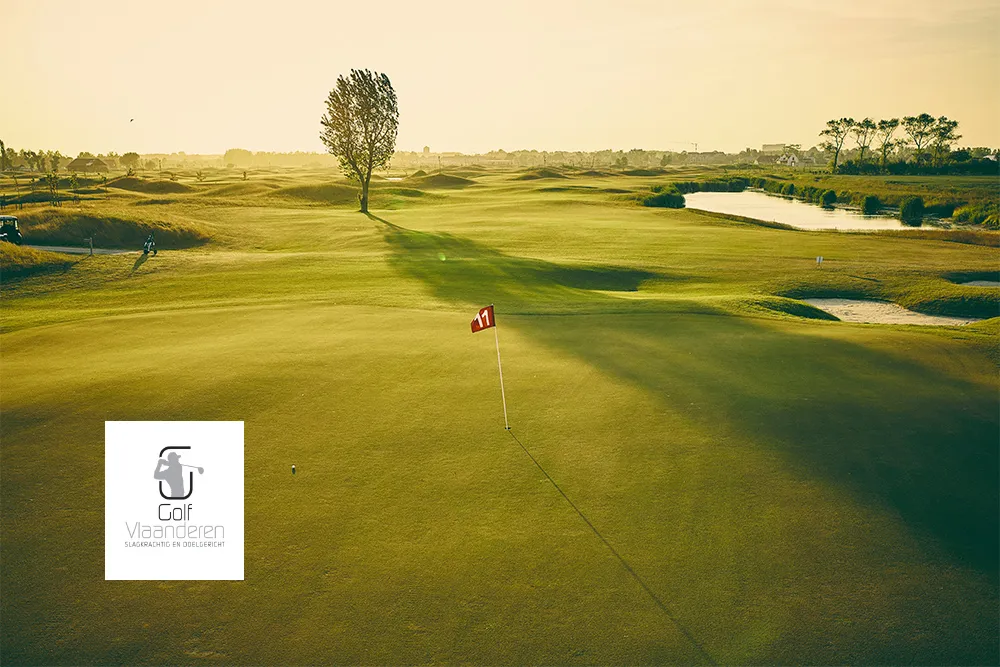
The perception that golf is an environmentally unfriendly sport persists, a misconception fuelled by ignorance and polarisation. Empty slogans such as ‘green concrete’ and ‘artificial nature’ have entered the collective consciousness. To dispel these misconceptions and provide accurate information, we invite you to see golf for what it really is: a pioneer in sustainability.
As in our neighbouring countries, golf in Flanders has become a leading force for sustainability in the world of sport. The sport has always sought to develop and enhance nature on golf courses, not only for the benefit of society, but also because golfers are drawn to abundant flora and fauna.
The more beautiful the natural surroundings, the higher a course is valued.
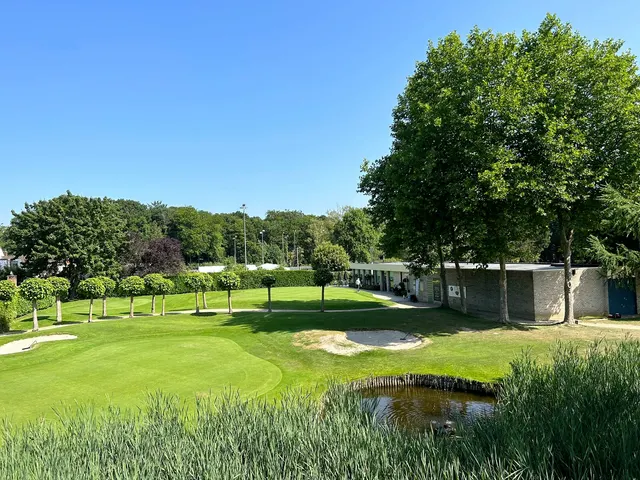
Yes, golf courses do take up considerable space (around 60 hectares for 18 holes), but they serve as a bulwark against urban sprawl and development. The golf sector has long taken responsibility for protecting and enhancing the open spaces on its courses. When new courses are built on former farmland, new natural habitats are created. Of the total 60 hectares, only 25 hectares are designated as playing areas. The rest consists of water features and rough areas managed for nature conservation.
Orchids
Golf Vlaanderen champions nature- and environmentally friendly course management. Alongside the Kompas Duurzaamheid and the international GEO label, it plays a leading role in the Green Deal Sportdomeinen.
The Green Deal recently published the Inspiratiegids Biodiversiteit, which names Golf & Country Club De Palingbeek and Koksijde Golf ter Hille as shining examples. Flower meadows stand out at Palingbeek in Ieper, while golfer and birdwatcher Jan Flachet has compiled a beautiful book about Koksijde Golf ter Hille, entitled
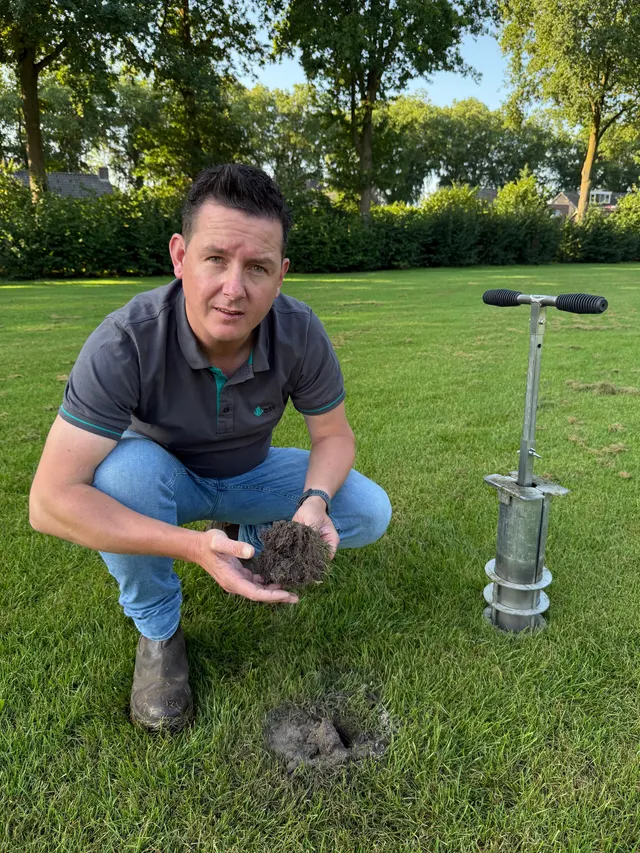
Een paradijs voor vogels, about the wealth of birdlife at Koksijde Golf ter Hille. Other inspiring initiatives include tree-planting campaigns, bat projects, the creation of kilometres of reed beds, and grassland management that has resulted in a variety of orchids. In short, every golf club strives to turn its rough and out-of-play areas into havens for nature. Environmentally friendly management is also practised in playing areas, through the use of appropriate grass species, water recycling and Integrated Pest Management, with the aim of eliminating pesticide use. Notably, pesticides are sometimes used only on the greens (1 hectare out of 60 hectares), and many clubs manage to operate entirely pesticide-free.
Compared with monotonous farming practices and intensive approaches to certain crops, building a golf course clearly has a positive impact on biodiversity.
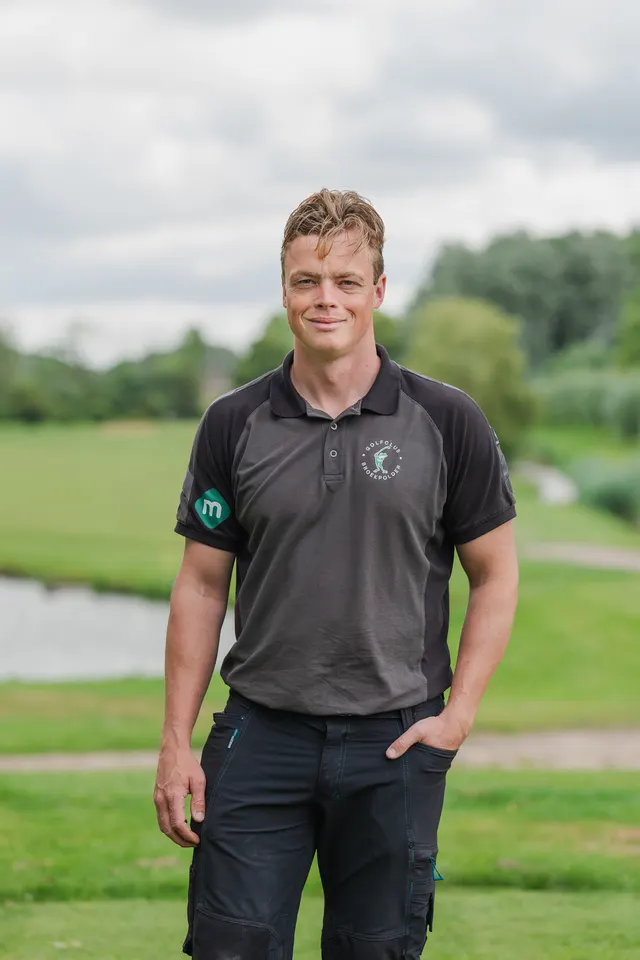
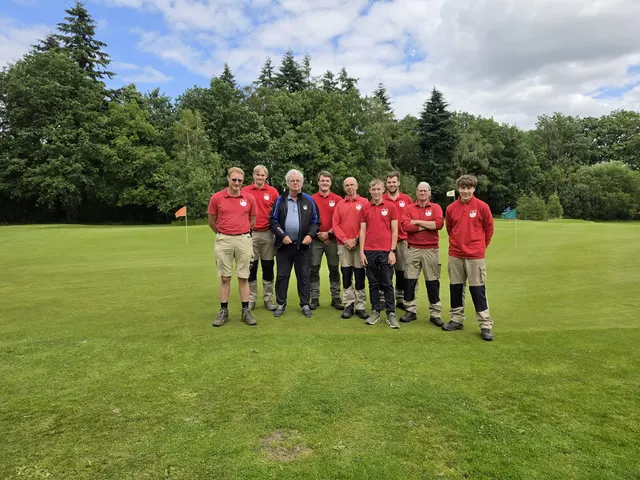
We cannot publish this article without expressing our appreciation for all the greenkeepers working at golf clubs.
They are up before dawn every day, working to support sustainability and biodiversity and to maintain the golf course. Thanks to a professionalised sector, we can all act as ambassadors for golf and get the right message across: golf is not just a sport, but also a commitment to sustainability and nature conservation.
Question about this story? Ask your question
Keep following this
Get an email when a new story is published. No account needed.
- ThemeLower-impact green space management
- SubjectSports grounds & golf courses