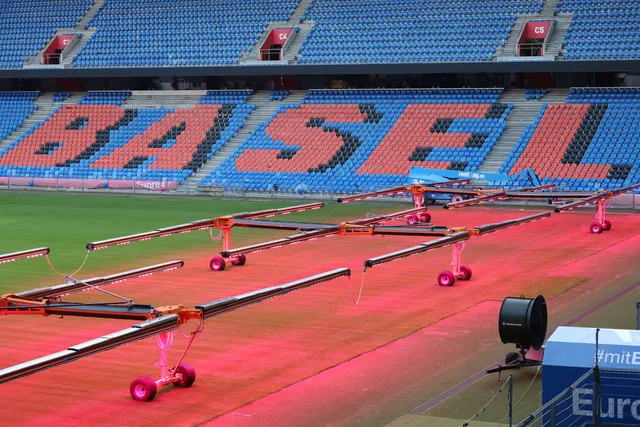
Sustainable site management starts below ground, not above it
Text Kris VandekerckhoveImage Dranicon
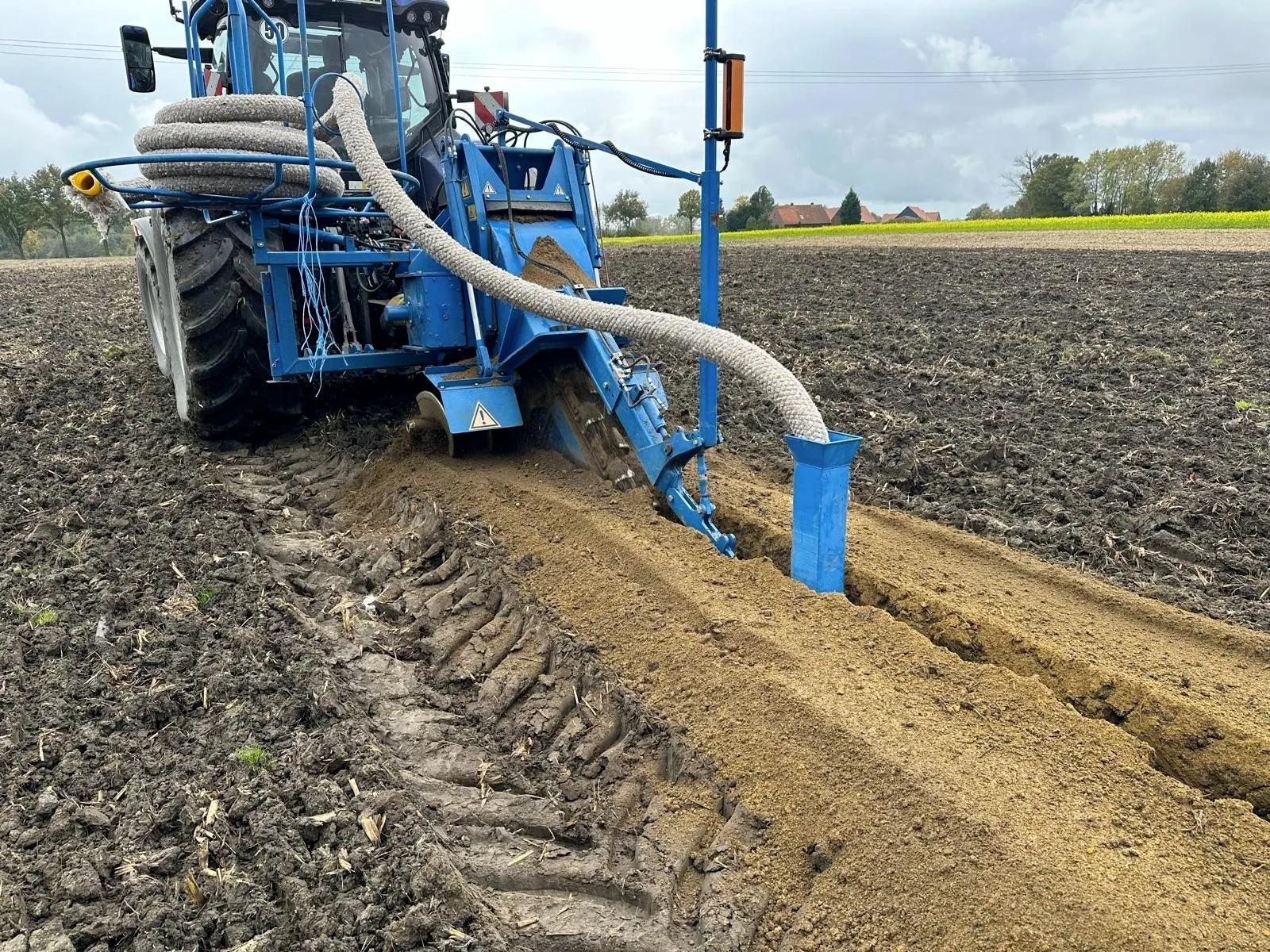
More extreme weather is putting sports pitches, green spaces and recreational sites under pressure
Waterlogging in winter, prolonged dry spells in summer and increasingly extreme weather in between. These are challenges that managers of sports pitches, golf courses, equestrian arenas and public green spaces face every day.
According to Pieter Blomme, managing director of Dranicon, much of the solution lies in something visitors barely see: how a site is constructed, levelled and drained.
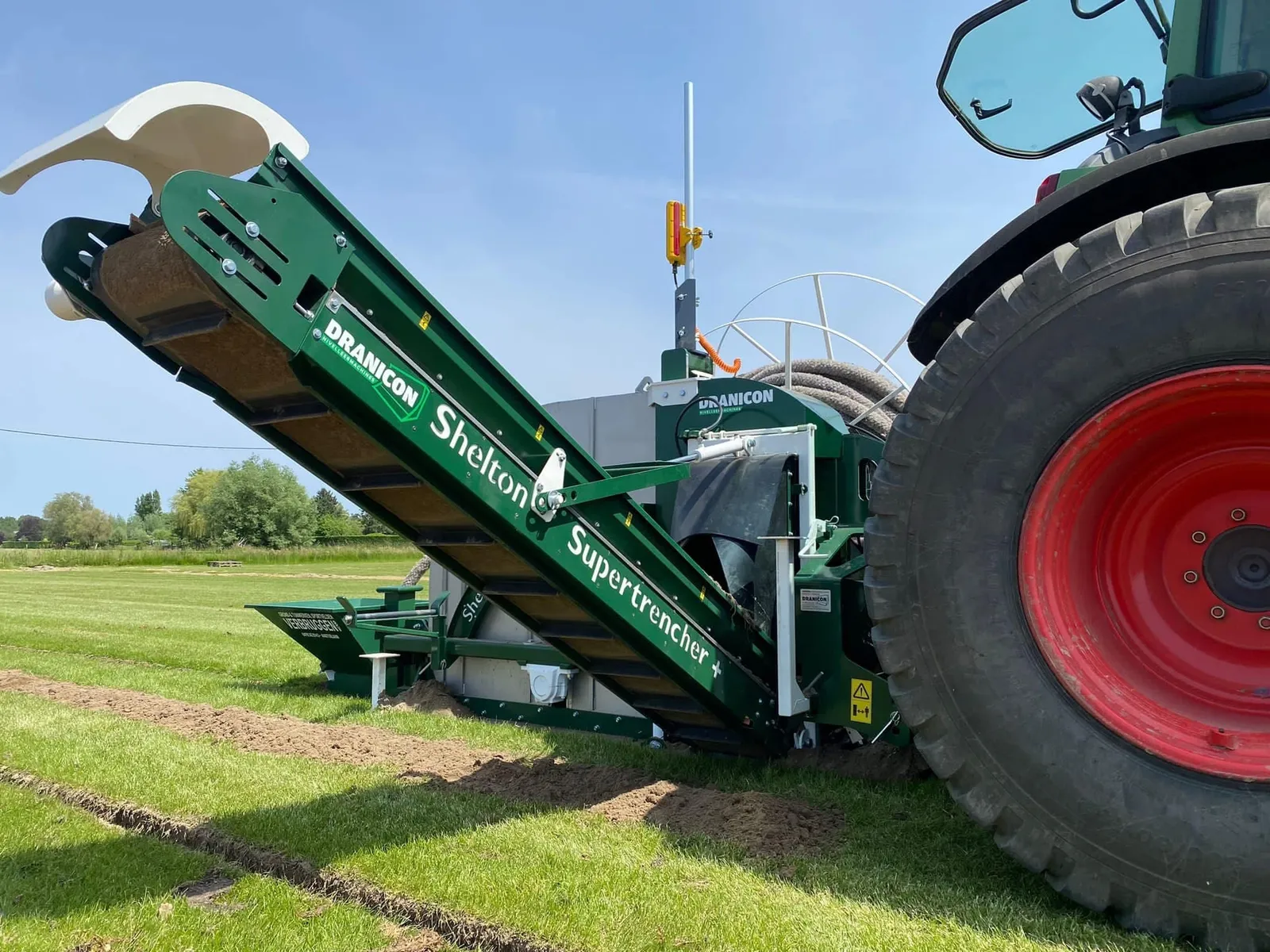
Drainage does more than just remove water
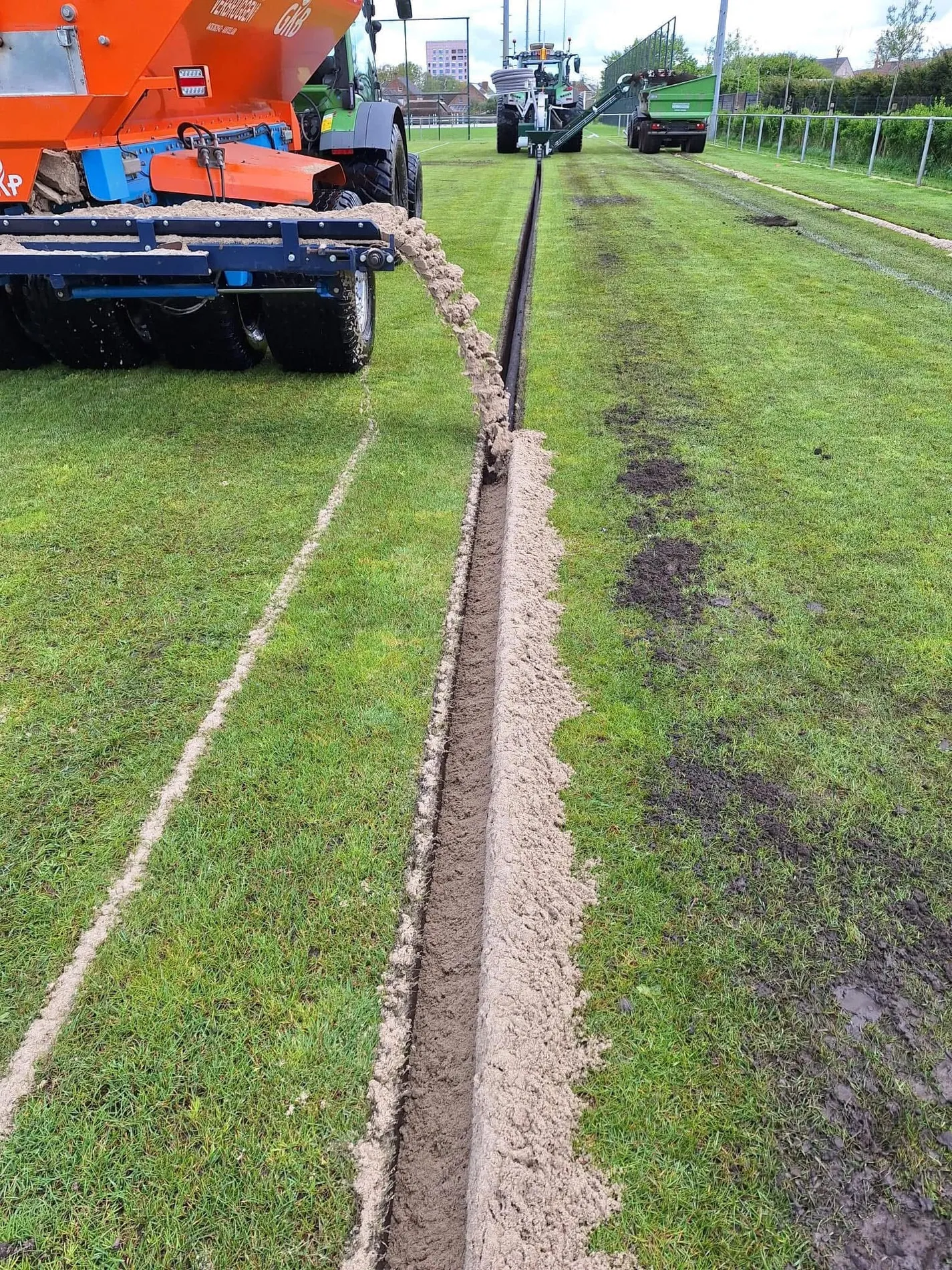
One of the biggest misconceptions Blomme encounters is the idea that drainage makes water disappear more quickly. “Many people think drained soil becomes drier. In reality, the opposite is true. Well-drained land generally has a better structure, which means it can retain more water and allow it to infiltrate more effectively,” he explains.
In his view, modern site management is no longer solely about removing excess water. Increasingly, it is about managing it in a controlled way. Techniques such as controlled drainage make it possible to retain water during wet periods and make it available again when drought sets in.
Climate adaptation calls for precision
The impact of climate change is becoming increasingly visible on sites that are used intensively. Sports pitches must remain playable, equestrian arenas must provide consistent ground quality, and green spaces must withstand both heavy rainfall and prolonged drought.
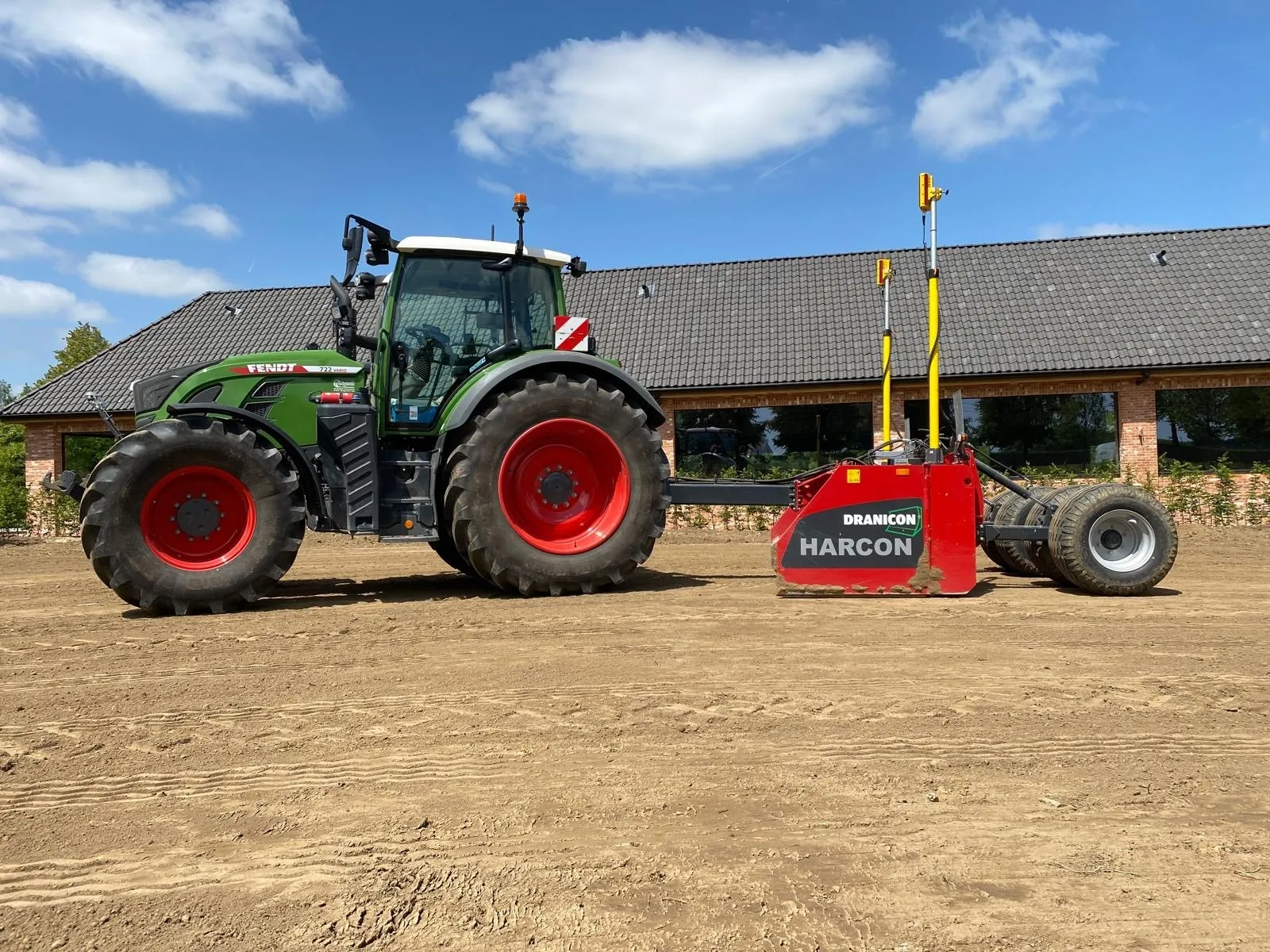
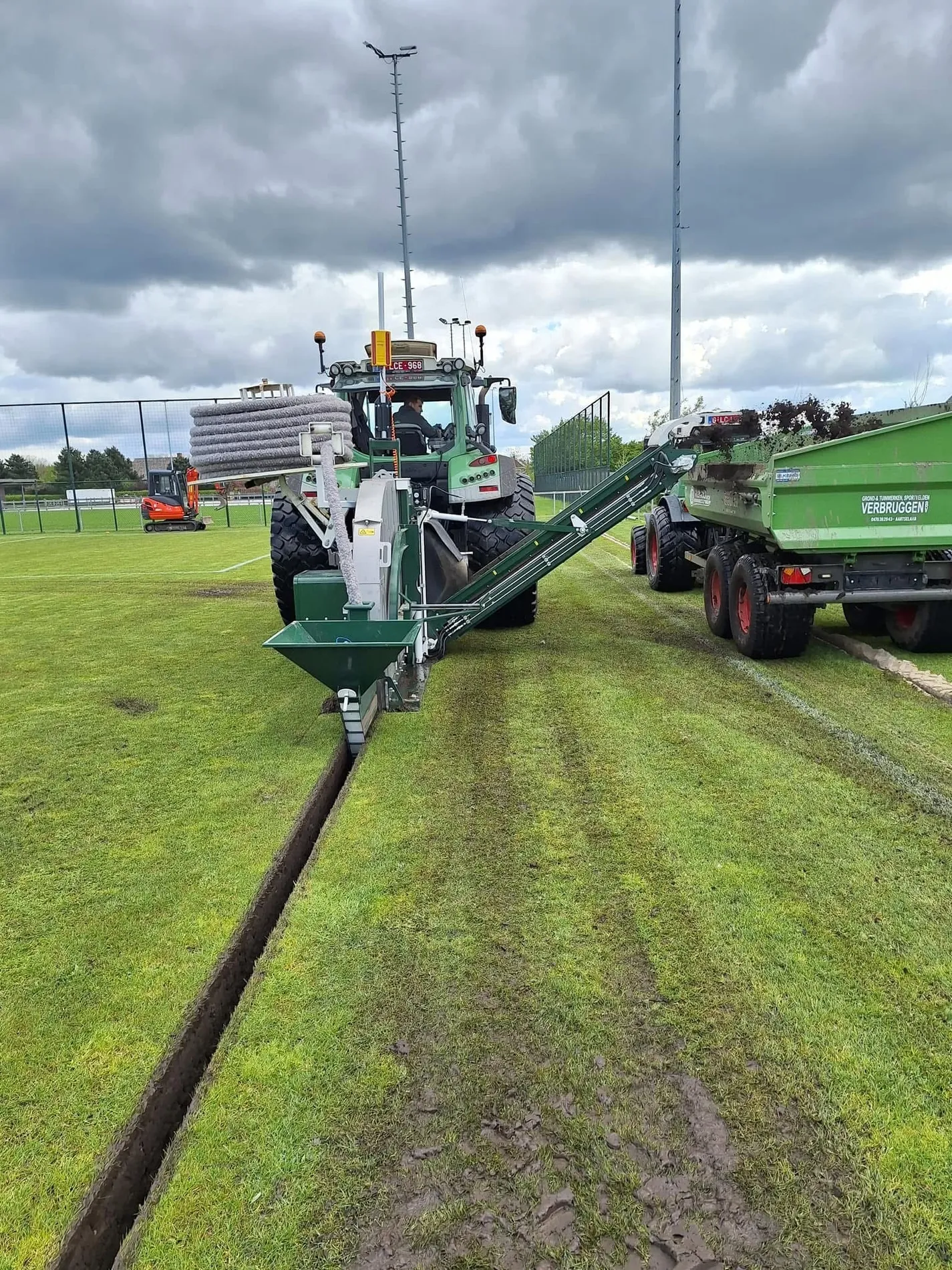
That is why precision levelling is becoming increasingly important. In the past, minor differences in height were often considered unavoidable. Today, however, they can have major consequences for a site's water management. “When areas develop where water remains standing, the soil becomes compacted, oxygen levels fall and the vegetation eventually suffers damage. A well-levelled site ensures that water can be distributed and infiltrate evenly,” says Blomme.
The foundation of quality
According to Dranicon, the importance of levelling is still too often underestimated. Many clients see it as a preparatory stage, whereas Blomme says it is the foundation of the entire construction. “The first layer you put down is the most important. Everything starts there. Whether it is a football pitch, a golf course or an equestrian arena, the quality of the sub-base ultimately determines the quality of the finished result.”
This also applies, for example, to modern ebb-and-flow arenas used in equestrian sport. The entire drainage and sub-base layer must be levelled with precision to ensure consistent water distribution and ground stability throughout. Even minor variations can affect the performance of the arena.
From reactive to preventative management
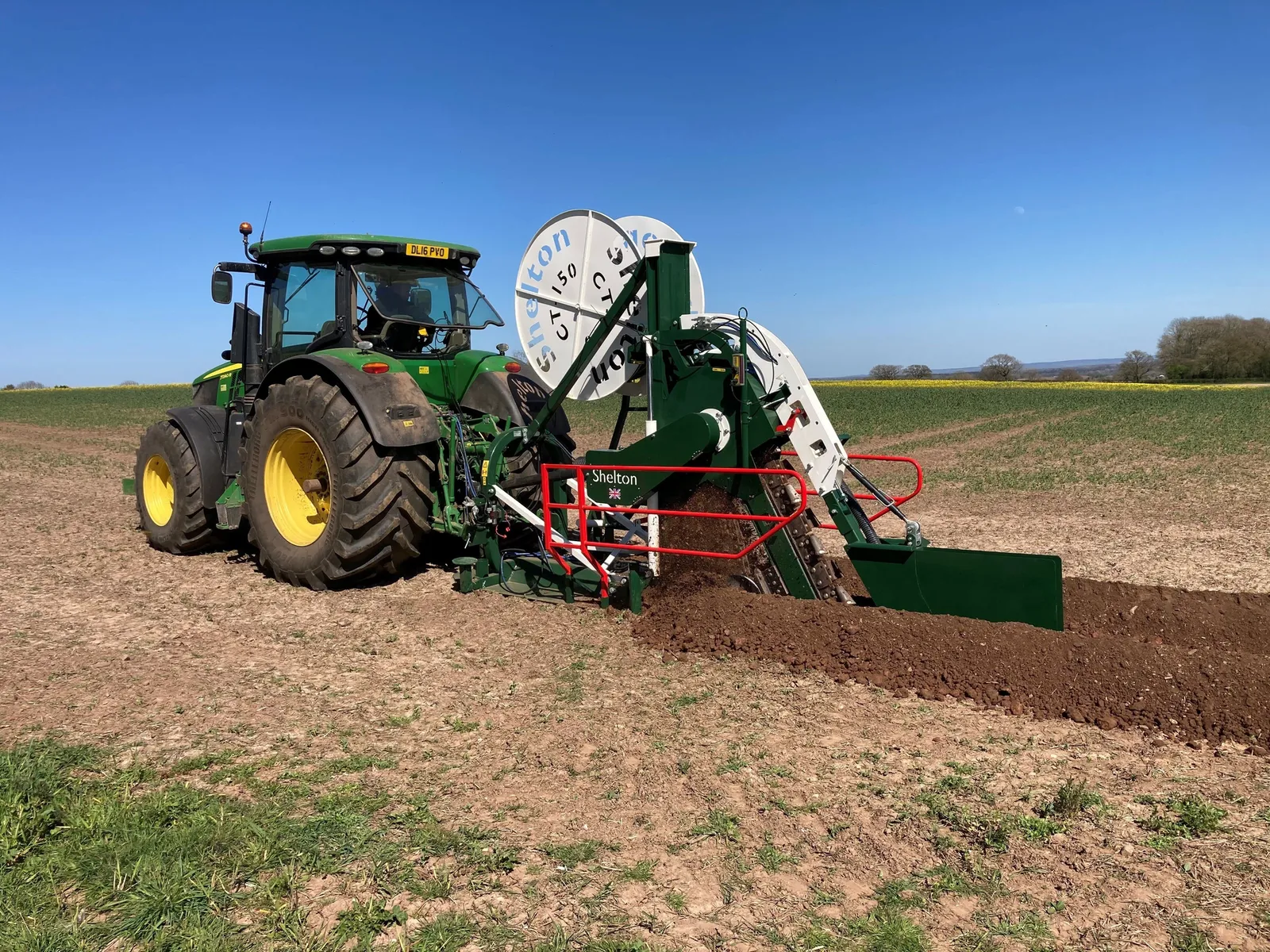
Where site managers used to focus mainly on responding to problems, the emphasis is now increasingly shifting towards prevention. Digital site surveys, simulations and accurate 3D models make it possible to identify and address risk areas in advance. “Today, you can simulate where water will collect and which areas need extra attention. That means you can solve problems before they actually arise,” says the managing director. He believes this preventative approach will be key to sustainable site management in the future. As weather conditions become more extreme, it will become increasingly important not only to create attractive sites, but also to make them resilient. “Water management does not start when it begins to rain. It starts with a well-considered site design,” concludes Pieter Blomme.
Question about this story? Ask your question
Keep following this
Get an email when a new story is published. No account needed.
- ThemeSmart irrigation and drainage
- SubjectGeneral