The challenges of greenkeeping: every millimetre counts in Geijsteren
Text Carolien KleesImage Golf & Countryclub Geijsteren
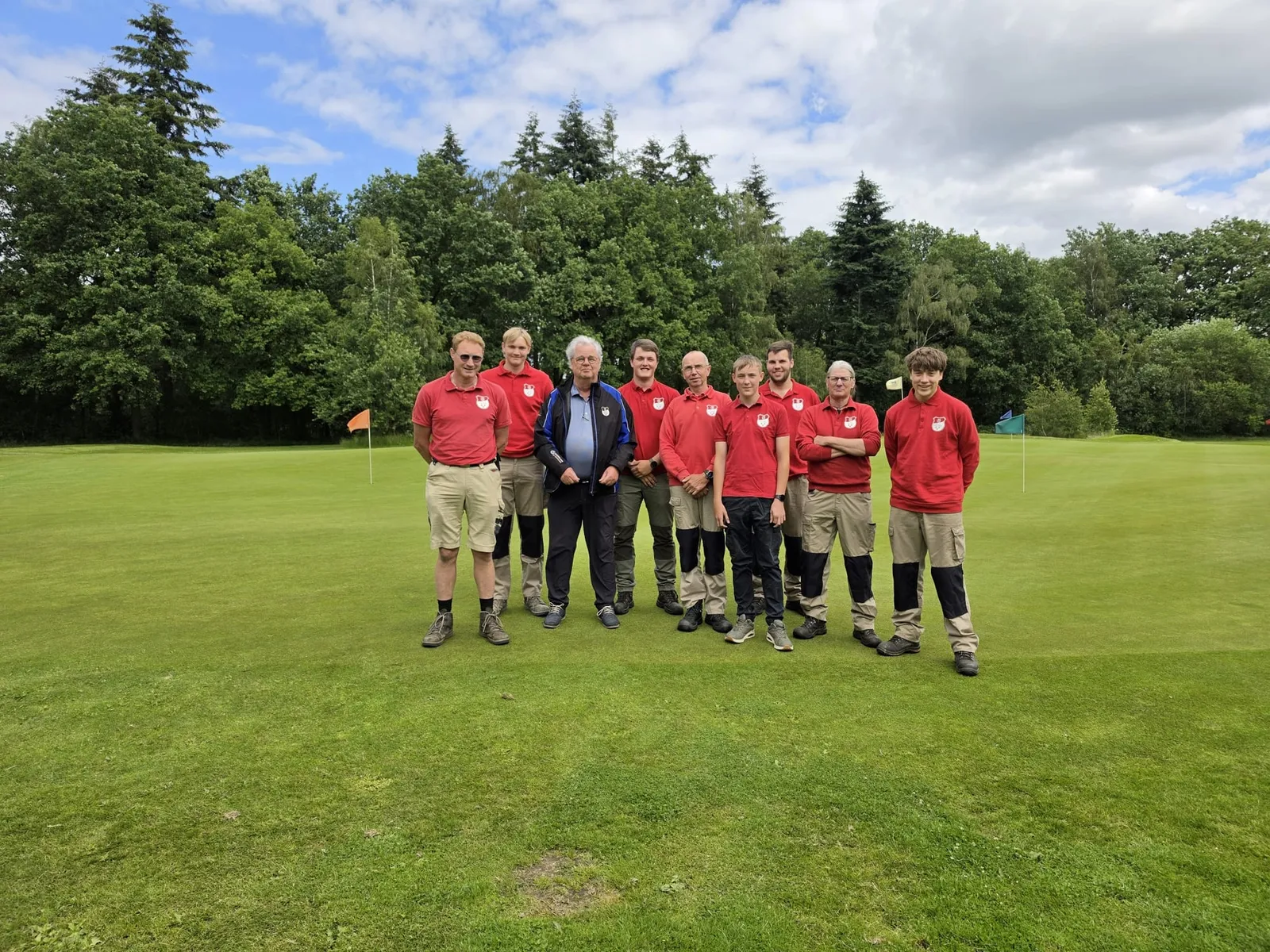
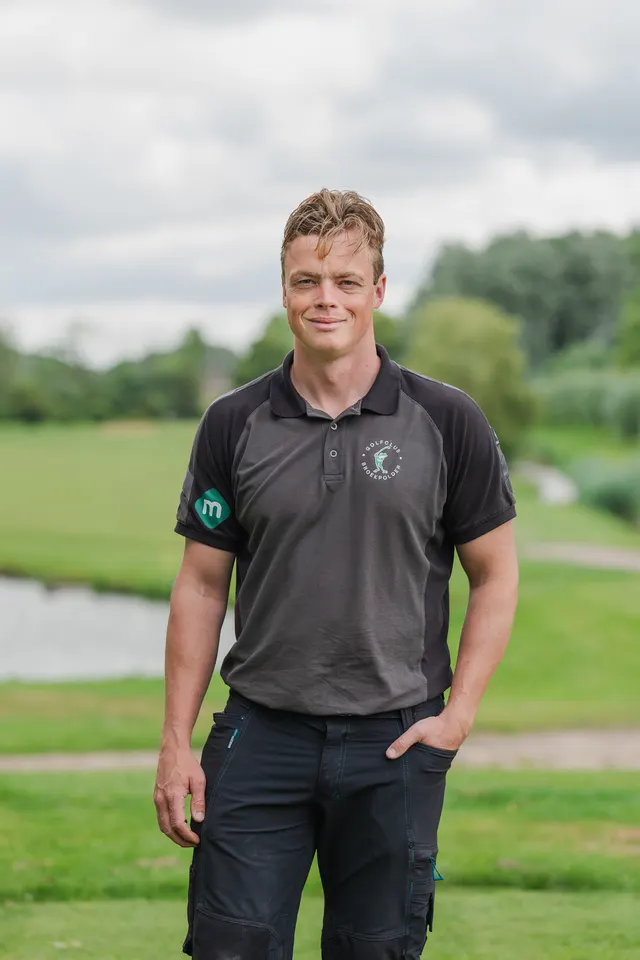
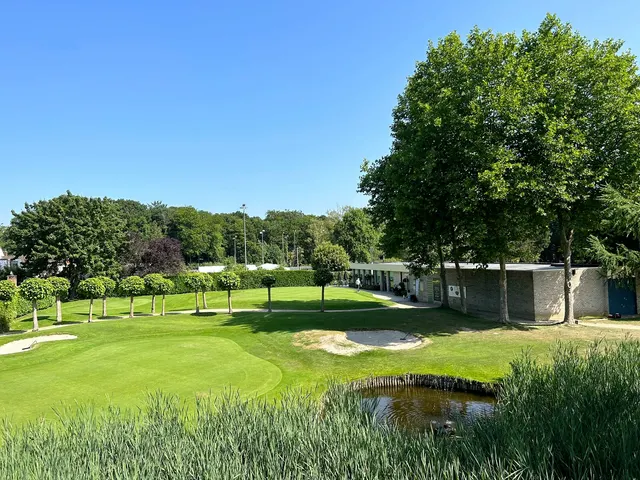
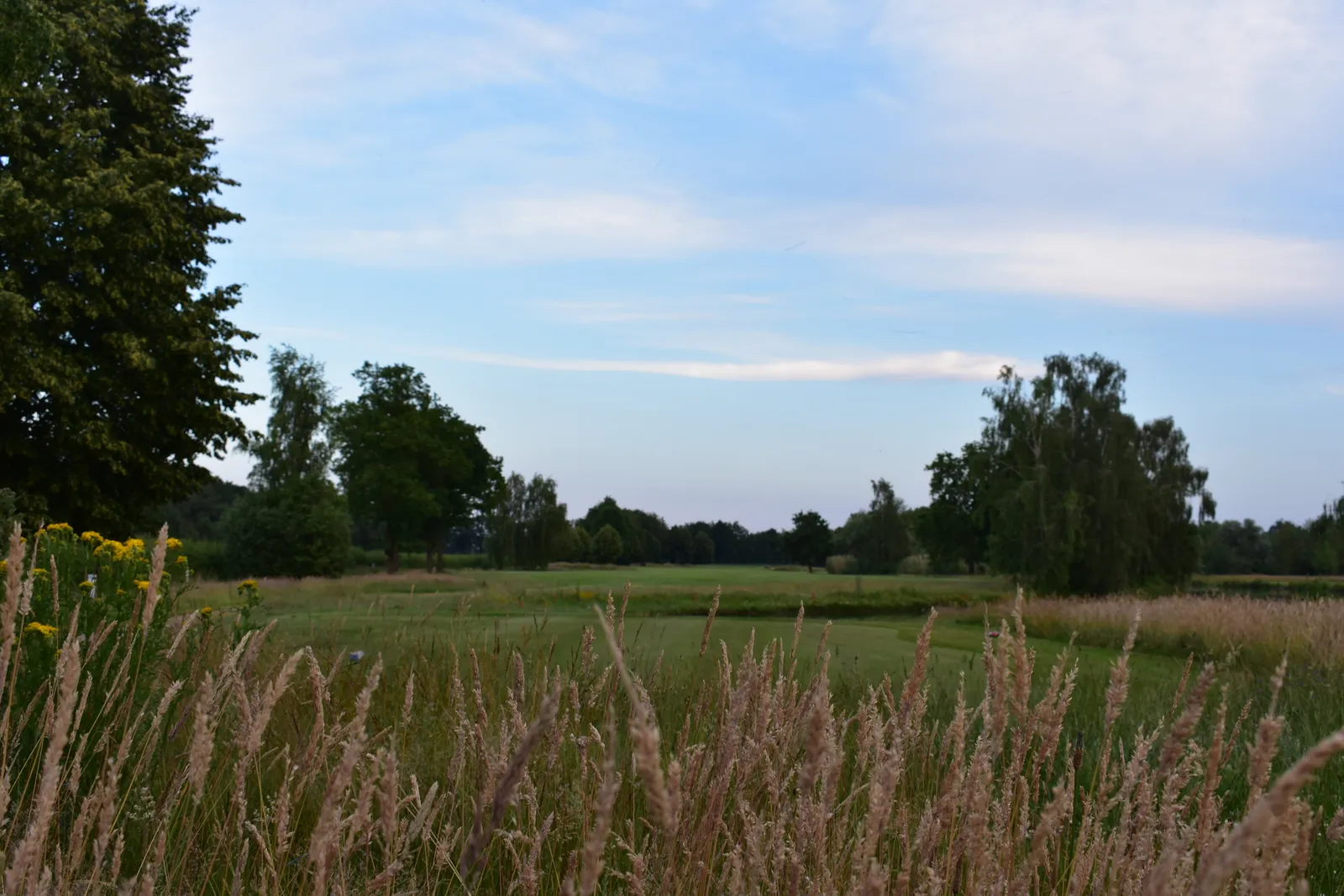
Greenkeepers face ever greater challenges from climate change, tighter regulations on plant protection products and new diseases. Head greenkeeper Eric Wijnhoven, together with course manager Raf Dittrich, is responsible for the course at Golf & Countryclub Geijsteren in the north of Limburg. Set in a beautiful natural area, the 56-hectare course is kept in perfect condition by Wijnhoven and a team of four greenkeepers. The first thirteen holes wind through the woods. The course then opens out onto five challenging holes with water hazards. Wijnhoven has almost thirty years’ experience and has worked in Geijsteren since 2003: “Our sandy soil is our biggest challenge. We also have to adapt to periods of drought and the heavy downpours that are becoming more frequent as the climate changes.”
Retaining rainwater
To better adapt to changing weather conditions, rainwater from the roofs is no longer discharged into the sewer, but returned to the ground. “That water is channelled into the ponds or allowed to infiltrate directly into the ground. We have also installed drainage wells to collect excess water and allow it to infiltrate gradually into the subsoil. That does not mean the course will be dry straight after a downpour, but it does help us manage and retain water more effectively.” He is not worried about a hosepipe ban: “Because we collect all the water and return it to our own land, we have agreed with the water board that we are exempt from any watering bans.”
Diseases
The golf course holds GEO certification, demonstrating that the grounds are maintained sustainably and responsibly. This reflects the approach Wijnhoven and his team take in practice. Fungicides have not been used for years, except in emergencies. Herbicides for weed control are also used only sparingly.
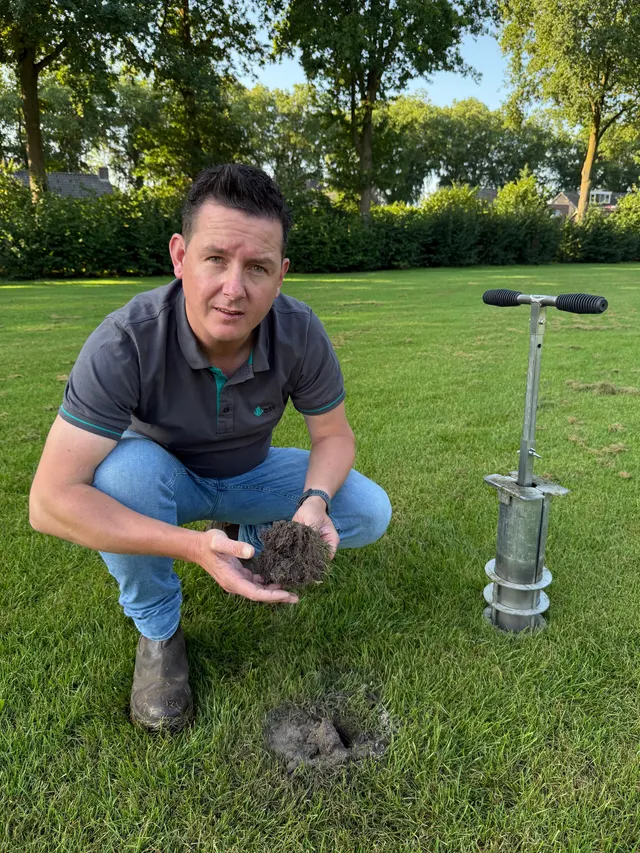
“The emphasis is mainly on prevention. In other words, preventing stress in the grass plant.” Wijnhoven cites dollar spot as an example. “This is an increasing challenge. Dollar spot is becoming a growing challenge. The fungus used to be very uncommon. We have not sprayed for years, but try to manage it with dew irrigation, extra iron, dew removal and, if necessary, additional fertiliser.”
Low mowing heights
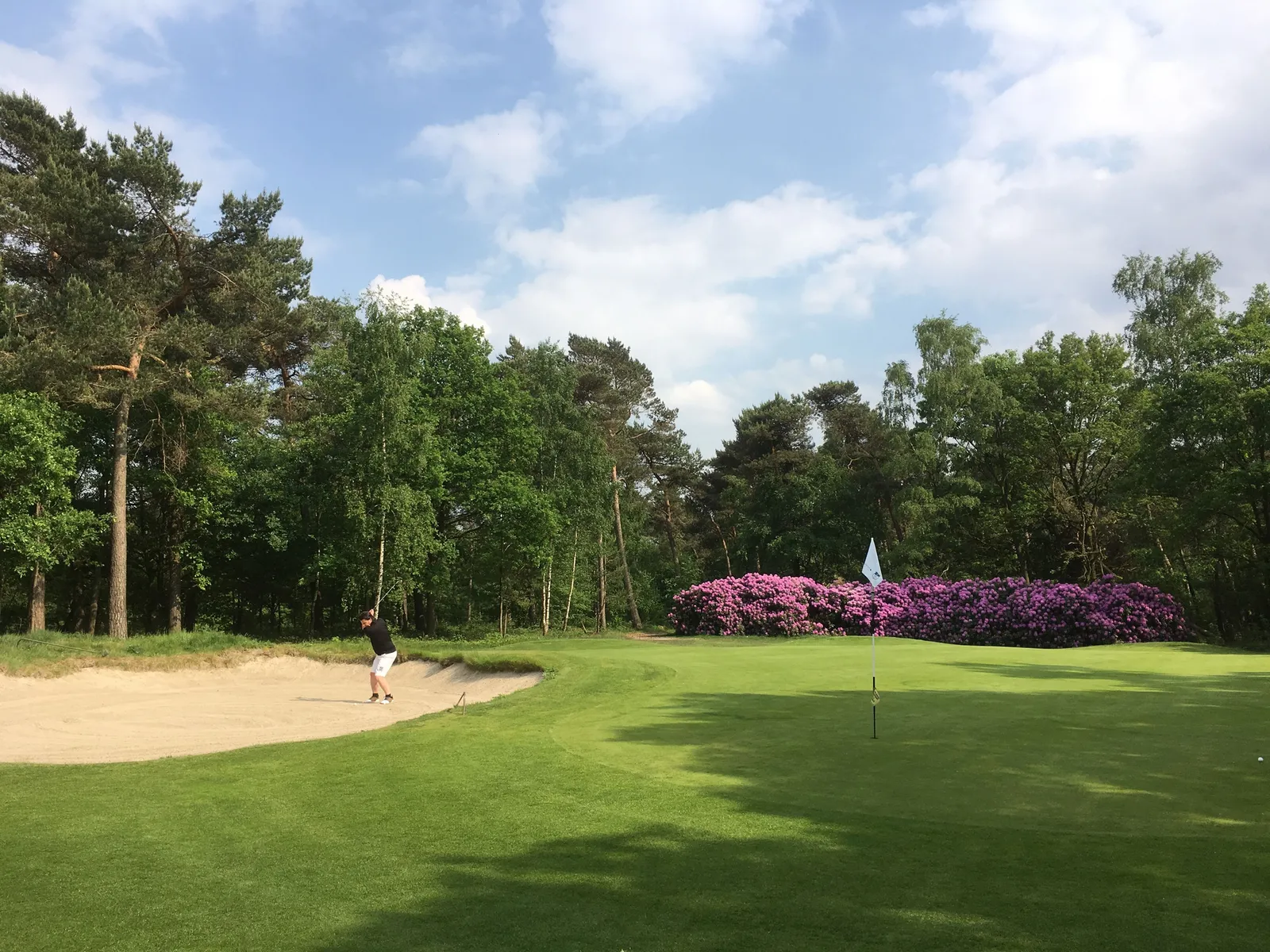
Players particularly value the golf course for its smooth, attractive playing surfaces. “We mow lower than many other courses,” says Wijnhoven. “That gives the game a different feel. More experienced players benefit in particular. It also gives our courses their attractive appearance, which earns us plenty of compliments. The greens are mown at four millimetres, the foregreens and tees at eight millimetres, and the fairways at twelve millimetres. The lower rough is also kept neat.”
The importance of communication
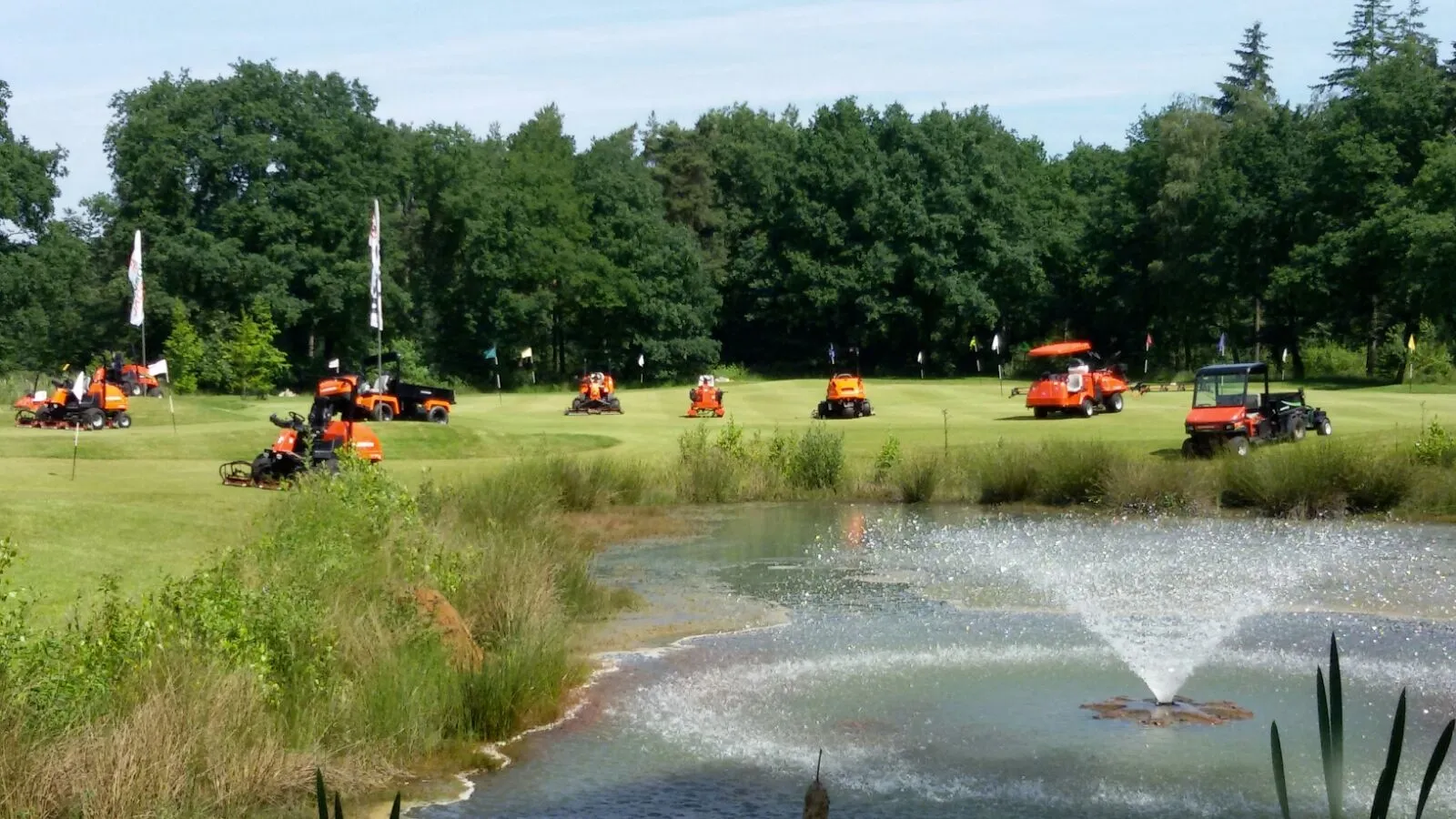
Although the golf course is highly regarded for its quality, climate pressures and restrictions on fungicides and other maintenance products mean that Geijsteren, too, has to accept that not every green can always be immaculate.
“There are certainly periods when we manage it, but no longer all the time, and every greenkeeper has to accept that. Because our club communicates this well to its members, it is quite possible to foster understanding.”
The perfect day
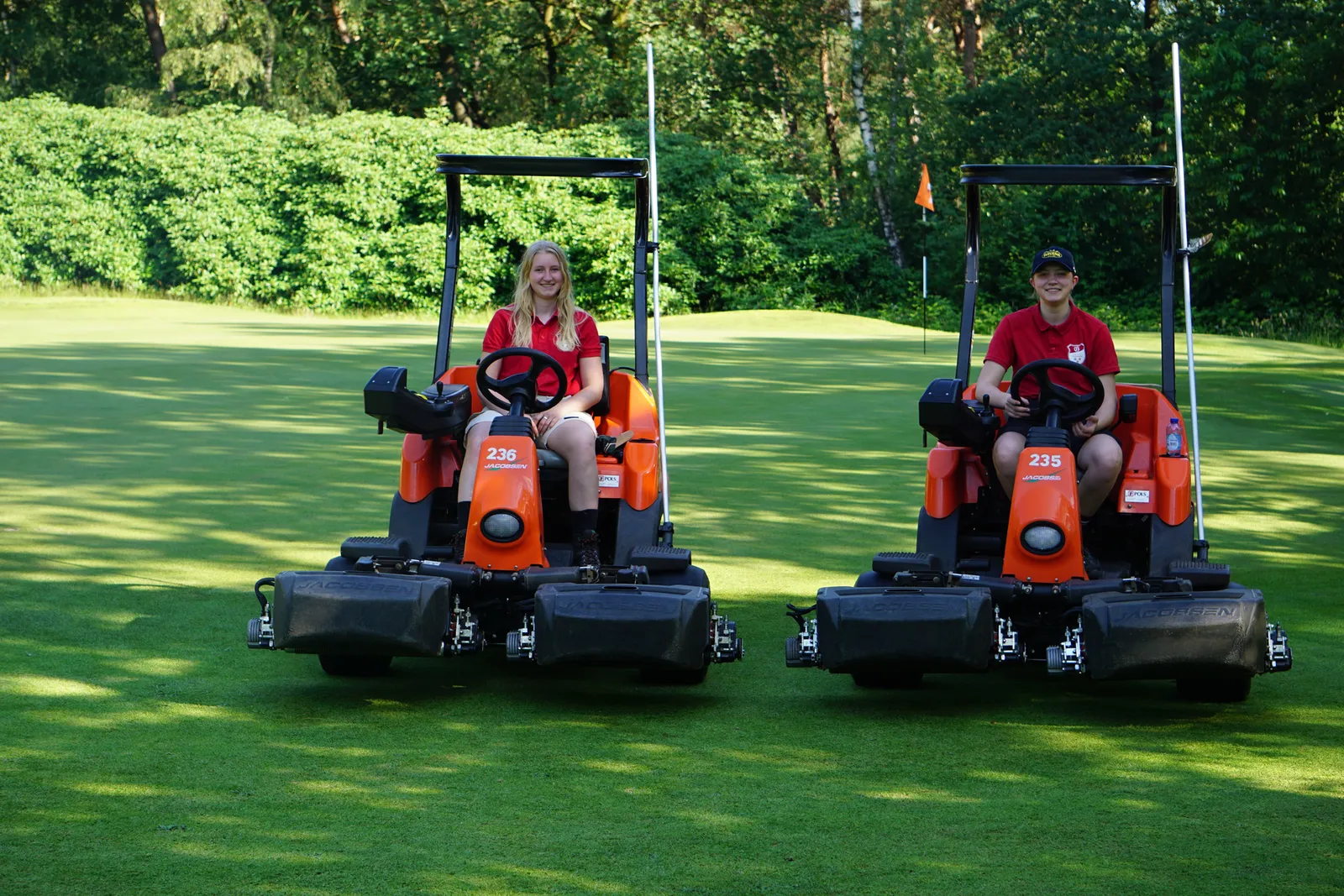
It is a great job, but Wijnhoven does not go home singing every day: “When diseases break out or a machine breaks down and cannot be repaired quickly, you do start to worry. But when the course is looking perfect again, I finish my working day in a very good mood.”
Question about this story? Ask your question
Keep following this
Get an email when a new story is published. No account needed.
- ThemeSmart irrigation and drainage
- SubjectSports grounds & golf courses