Give clubs control over their sports pitches (back)
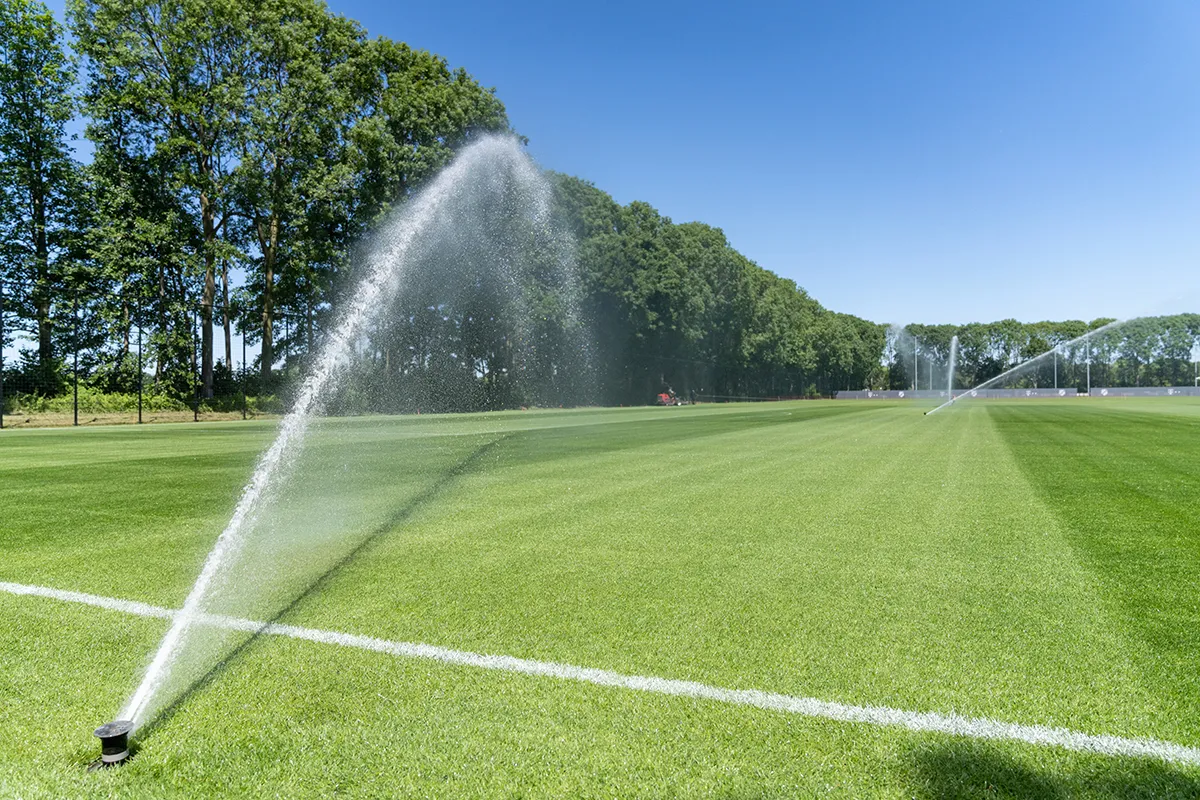
Smart water management makes natural grass pitches more resilient and sustainable
Football pitches are increasingly facing extreme weather conditions. Too much rain, prolonged drought or intensive use can quickly put a pitch’s quality under pressure. Technology company DrainTalent aims to address this with a system that actively regulates moisture levels in sports pitches.
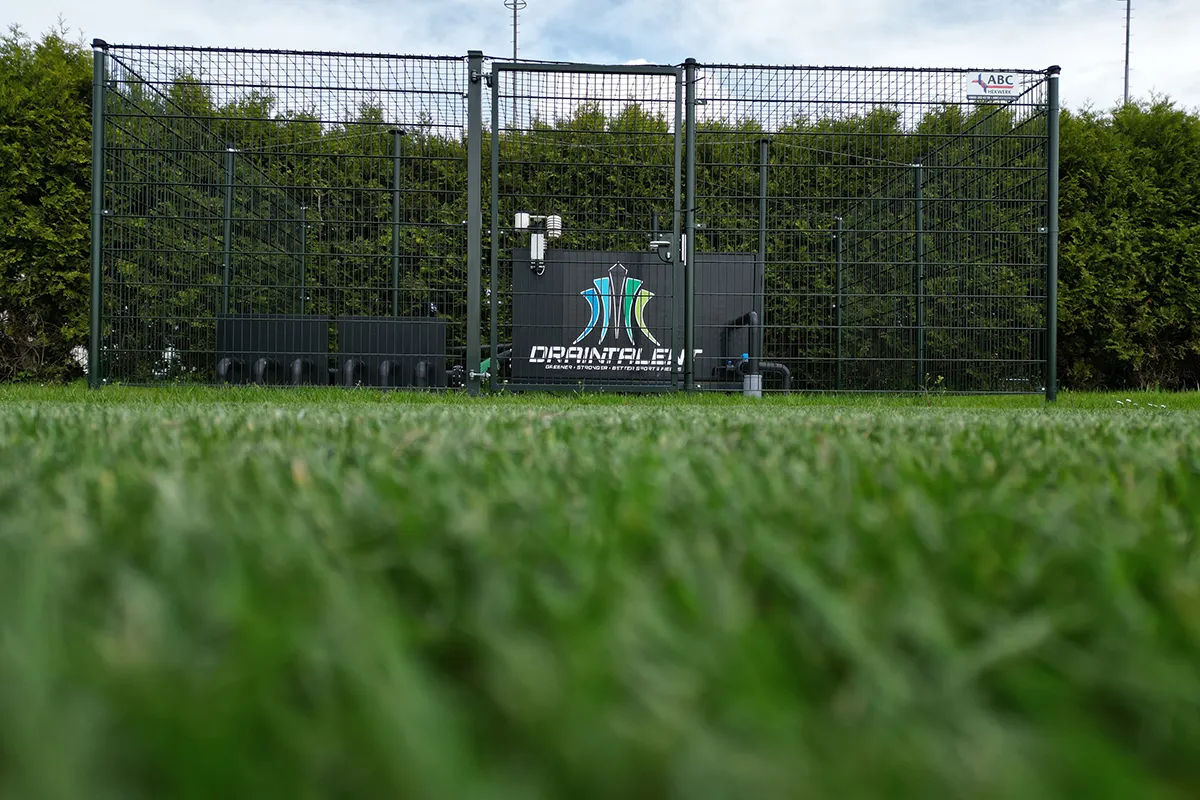
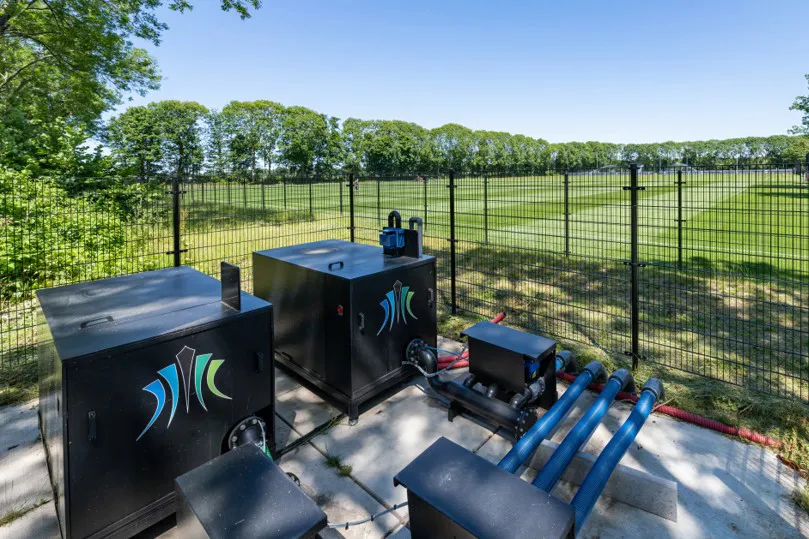
“We offer a vacuum drainage system that allows us to actively remove water from a sports pitch, as well as infiltrate it from below,” says Pim Hermans, Regional Sales Manager Benelux at DrainTalent. “It gives you complete control over the moisture balance of your pitch.”
Control over water and soil
DrainTalent’s technology operates beneath the sports pitch. In a sealed sand layer, vacuum zones draw water out of the soil when there is too much moisture. During dry periods, the system can also bring water up from below.
The result is a more stable playing surface and better growing conditions for the grass. “By controlling the moisture balance, you encourage stronger root growth and create more stable turf,” says Hermans. Although the system can take over many of the functions of traditional irrigation systems, sprinklers will not disappear from stadiums altogether. In some situations, overhead irrigation is still needed, for example to help fertilisers penetrate the soil.
Data as an additional tool
Data monitoring is a key part of the system. Sensors in the pitch continuously measure moisture levels at different depths, while a weather station tracks local weather conditions. “That data is extremely important,” says Hermans. “In the app, you can see exactly how much water has been removed from the pitch, how much rain has fallen and how moisture levels are changing.”
The system can even respond automatically to weather forecasts. For example, when heavy rain is expected, the pitch can be partially dried out in advance so that water can infiltrate more quickly. Grounds staff can also intervene manually. This control remains particularly important at professional level.
Growth at home and abroad
DrainTalent has grown rapidly in recent years. Initially a small team, the company has since expanded and is now taking a more active approach to the market. For now, its focus is mainly on professional clubs, where budgets and technical support tend to be greater. “We already have several systems in place in the Netherlands and are seeing clear growth,” says Hermans. Interest is also growing internationally. Systems have recently been installed in Switzerland, Morocco and Mexico, among other countries, and discussions are under way in several European countries.
Hermans also sees opportunities with local sports clubs and municipalities. “A single system can manage several pitches and significantly improve the playability of natural grass,” he explains. “For clubs that would rather not have artificial turf, it could be an interesting alternative.”
Water management is becoming increasingly important
Hermans believes water management will also play an increasingly important role in the future of sports pitches. In several countries, restrictions on water use are becoming tighter, making more efficient water management essential.
The DrainTalent system can help by storing and circulating water in the pitch. For example, if a club collects rainwater in a reservoir, the system can put that water to use again. “With a reservoir, you can keep water circulating,” concludes Pim Hermans. “That makes the system even more valuable!”
Real-world examples? Absolutely!
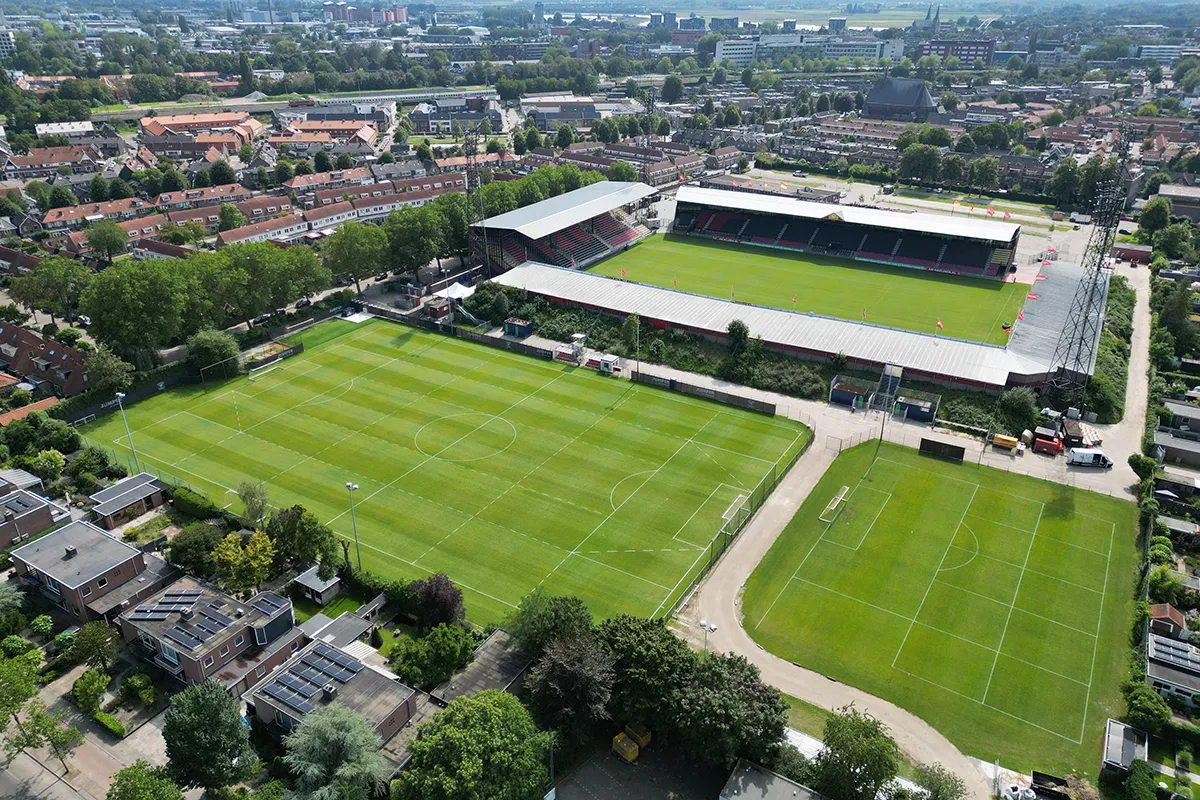
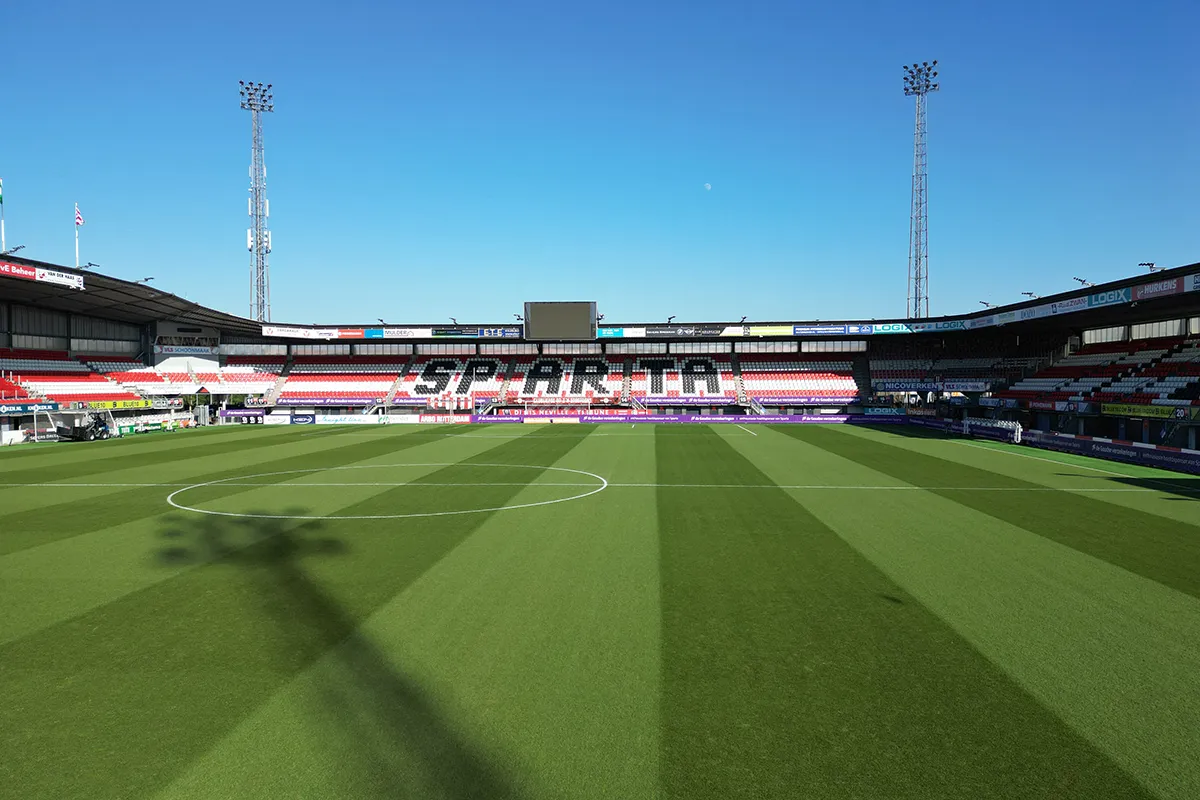
That this is more than just an appealing theory is clear from several projects at professional clubs. At FC Twente’s De Grolsch Veste stadium, for example, the DrainTalent Pro system was integrated into the pitch. Grounds manager Henry de Weert says: “Active drainage and infiltration allow us to control soil moisture levels precisely, keeping the turf stable in a range of weather conditions.”
Go Ahead Eagles also chose the technology when renovating its stadium pitch and training pitch. The club expects to see improvements particularly in pitch quality and playability, especially under intensive use. “We expect a significant improvement in the quality of our pitches,” says grounds manager Ron Janssen.
Projects like these show how active water management is gradually becoming an established part of modern professional sports pitch management.
Question about this story? Ask your question
Keep following this
Get an email when a new story is published. No account needed.
- ThemeSmart irrigation and drainage
- SubjectConstruction & management