The technical puzzle behind a perfectly playable pitch
Text Geert Van CauwenbergeImage Advanta

Every sports pitch deserves a professional approach
Maintaining a sports pitch involves much more than mowing regularly and spreading a little fertiliser now and then. As a greenkeeper, you are constantly seeking a balance between playability, sustainability and budget. According to Erik Truyers, Sales Manager for Grass Seeds and Wildflowers at Advanta, a quality sward starts with knowledge, a well-considered maintenance plan and a willingness to think long term. “Every footballer, professional or amateur, deserves a lush green pitch beneath their feet,” he says with conviction.
Anyone who thinks maintaining a sports pitch is much like looking after a lawn is mistaken. According to Erik Truyers, the difference is enormous.
“Constructing and maintaining a sports turf pitch calls for a completely different approach from looking after a lawn at home,” he says. “The grass seed mixtures are also formulated differently, with specific proportions designed primarily for intensive use during the winter. The aim is clear: to have a safe, high-quality sward all year round.”
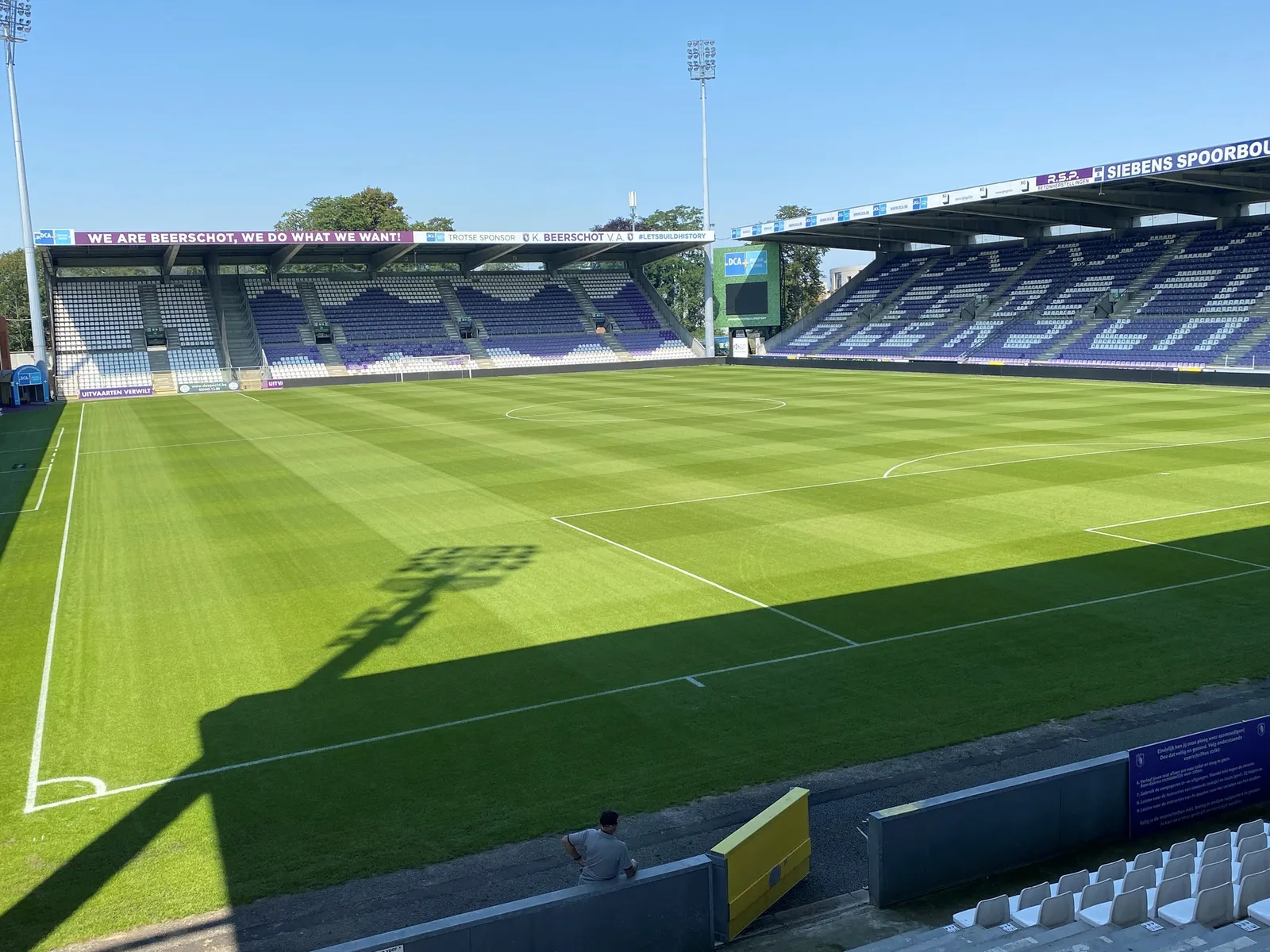
He says this applies to amateur clubs as well as professional ones. “A player at an amateur club or in an U12 team has just as much right to an excellent pitch as a professional footballer. Well-maintained sports pitches also reduce the risk of injuries.”
Every pitch calls for its own approach
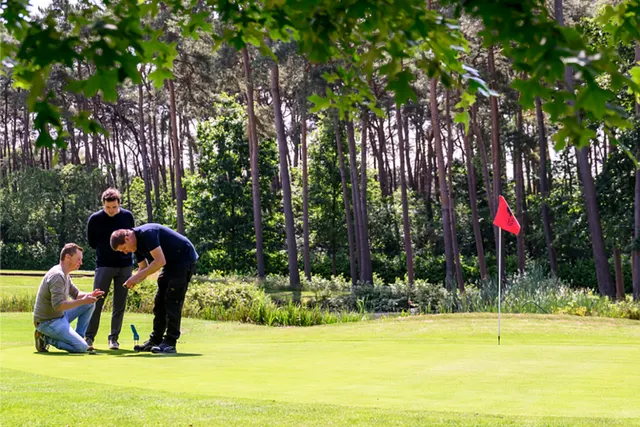
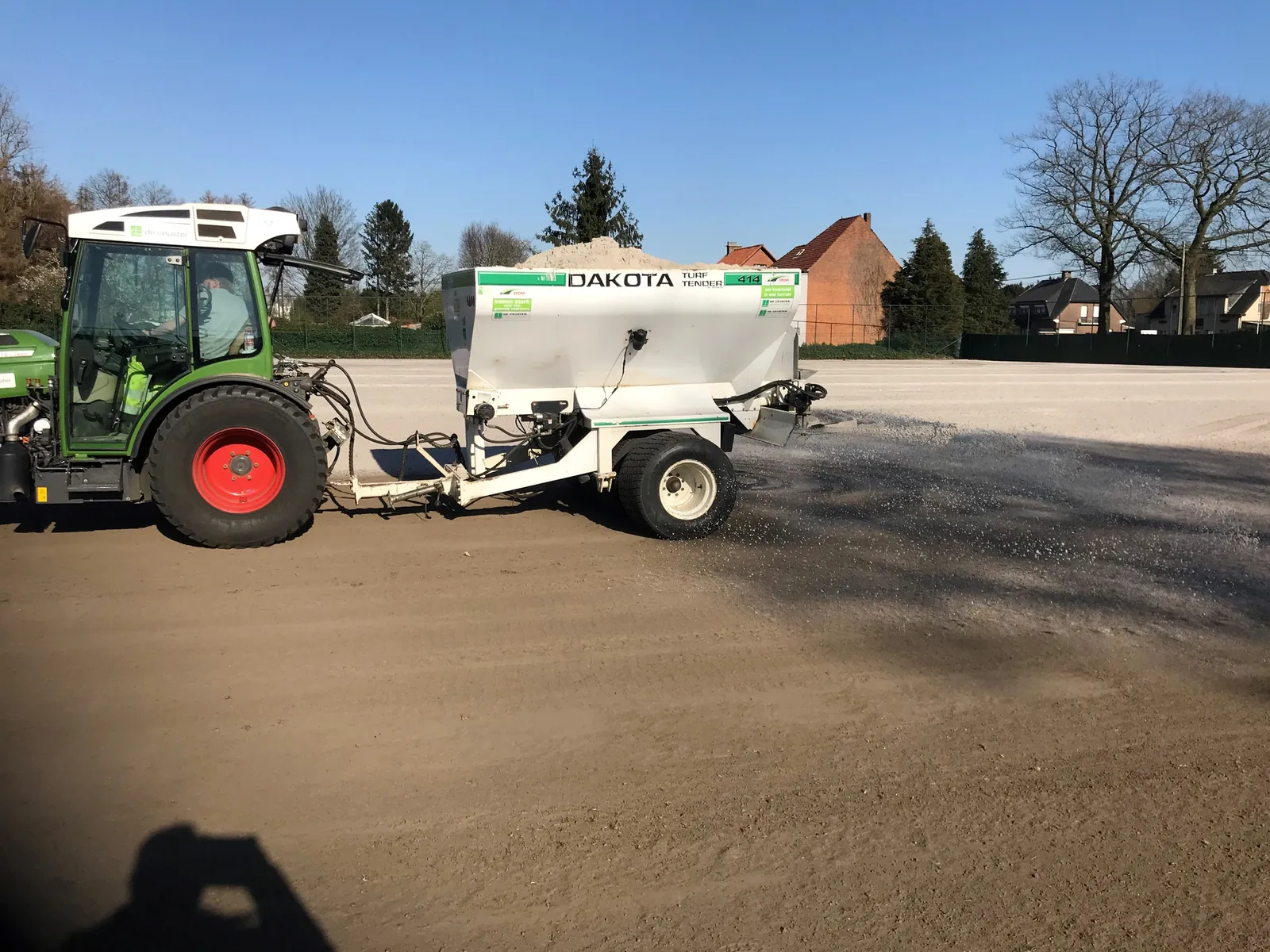
Many clubs look at what their neighbours are doing. If a nearby club starts topdressing with sand, aerating or overseeding, others often follow suit. Truyers says that is not always wise. “No two pitches are identical. Soil composition, intensity of use and drainage vary considerably, so every pitch has different needs. I advise every grounds manager to have a soil analysis carried out. Taking soil samples can tell us a great deal. We can assess the particle-size distribution and available nutrients, the permeability, and the balance of air and moisture in the soil. Only then can you tell whether topdressing with sand is worthwhile and which sand to use, whether aeration is needed, and which fertiliser is most suitable.”
“Without a thorough analysis, unnecessary work is sometimes carried out, costing money and potentially weakening the pitch.”
Invest in expertise
Another challenge is the loss of experienced volunteers. “In the past, almost every club had a few retired people who looked after the pitch with great dedication and a love of the sport. Today, it is becoming harder to find that knowledge and manpower.” This makes professional guidance more important than ever, says Erik Truyers. “Applying the wrong fertiliser or getting the drainage wrong can have disastrous consequences. Professional greenkeepers know the ideal mowing height, when to overseed and which tasks should not be carried out together. For example, you should not seed and fertilise at the same time.”
“Admittedly, expert advice comes at a price. But the investment pays for itself. With the right technical approach, you need to invest less over time to achieve better, lasting results.”
Natural grass remains the best choice
Truyers remains a firm advocate of natural grass. “I see some clubs that opted for artificial turf rediscovering the benefits of natural grass. Over the long term, the total cost of artificial turf is much higher. Natural grass also offers important benefits in terms of playing comfort and sustainability. A well-maintained natural grass pitch lasts much longer than many people think. The secret lies in good construction, consistent maintenance and taking action in good time.”
“For renovations, I also recommend seeding rather than laying turf. Seeding generally delivers better quality. Only when the fixture schedule is particularly busy can laying turf be a solution.”
Thinking long term
Climate change is making greenkeepers’ work more challenging. Prolonged periods of drought, intense rainfall and changing regulations call for continuous adjustments.
“When do you water? How much? Which sand do you use? When do you fertilise? Every piece of the puzzle matters,” Truyers concludes. “A good sports pitch is not the result of one right decision, but of doing the right things every day. My advice to football and other sports clubs: do not wait until problems become visible. January and February are ideal times to take soil samples and prepare for renovation work. With a well-considered plan and expert guidance, you can create a pitch that improves year after year. Ultimately, that is the most cost-effective investment a sports club can make.”
Question about this story? Ask your question
Keep following this
Get an email when a new story is published. No account needed.
- ThemeKeeping turf strong and playable
- SubjectConstruction & management