Pioneering in greenkeeping, working with nature, never against it
Text Kris VandekerckhoveImage Brabantse Golf
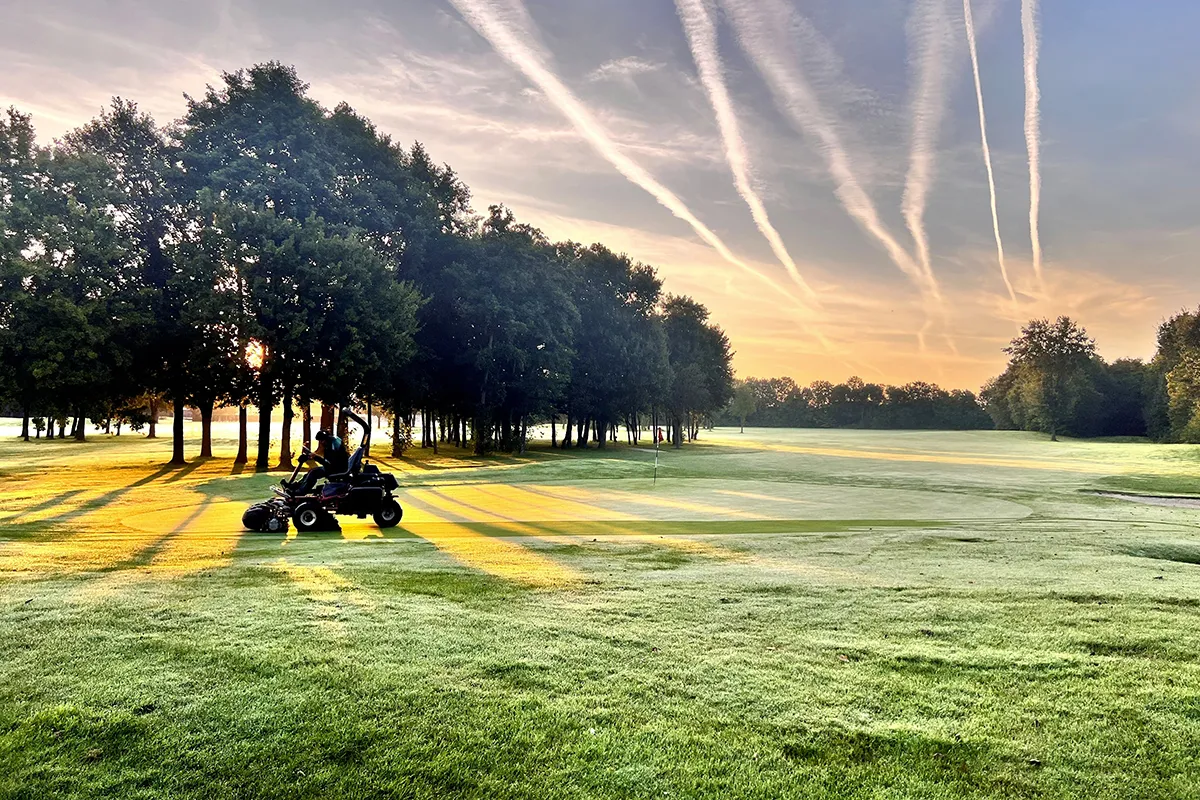
Club in focus: Brabantse Golf
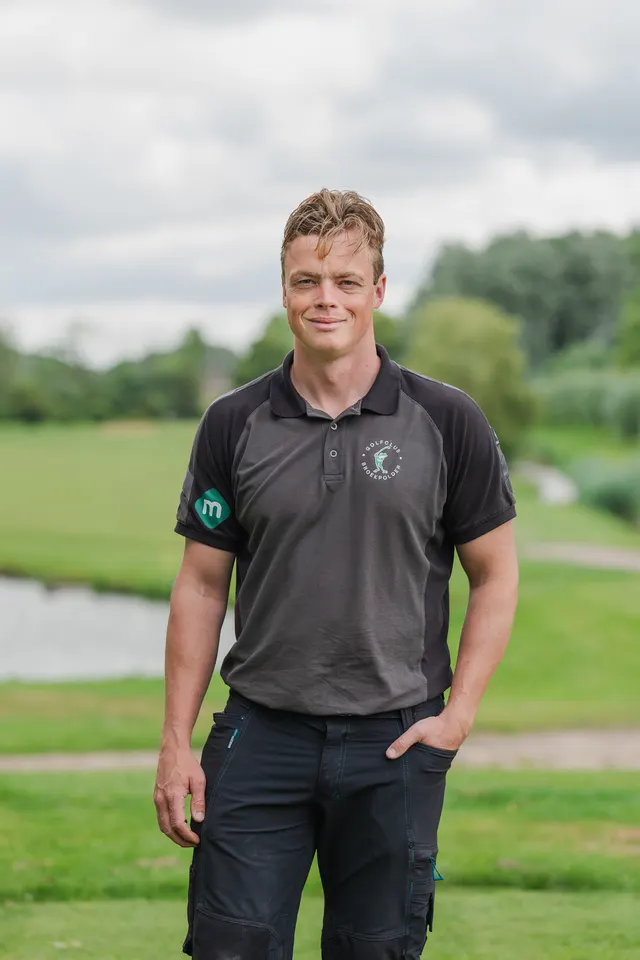
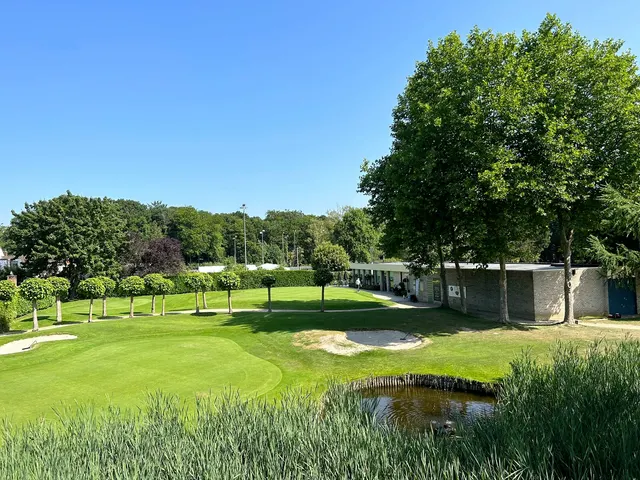
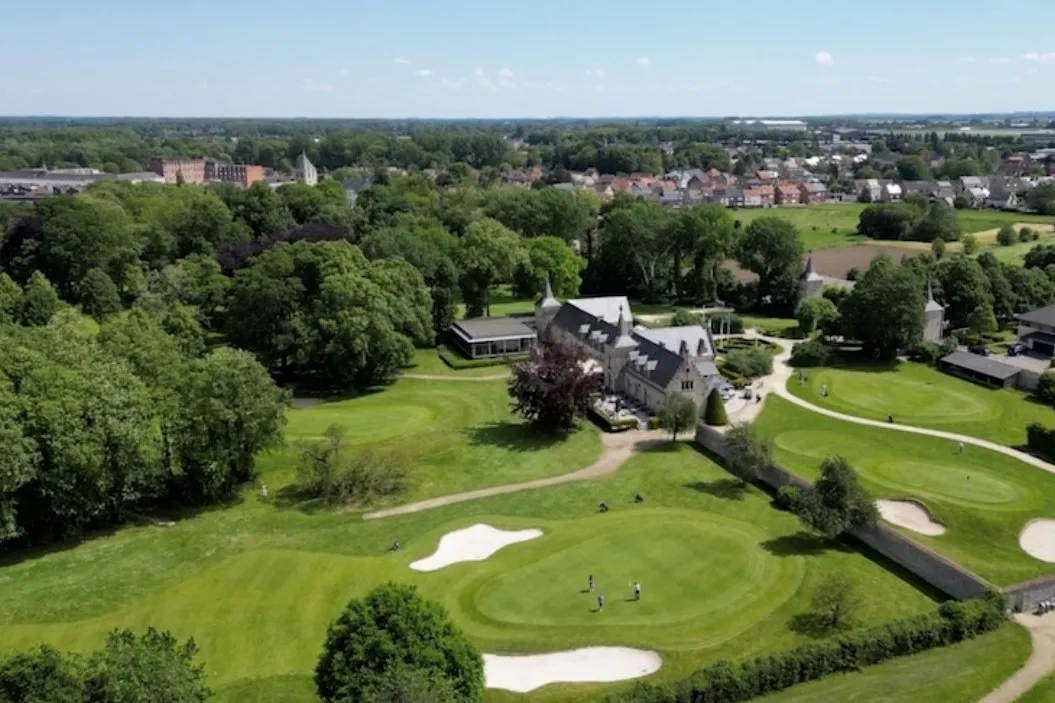
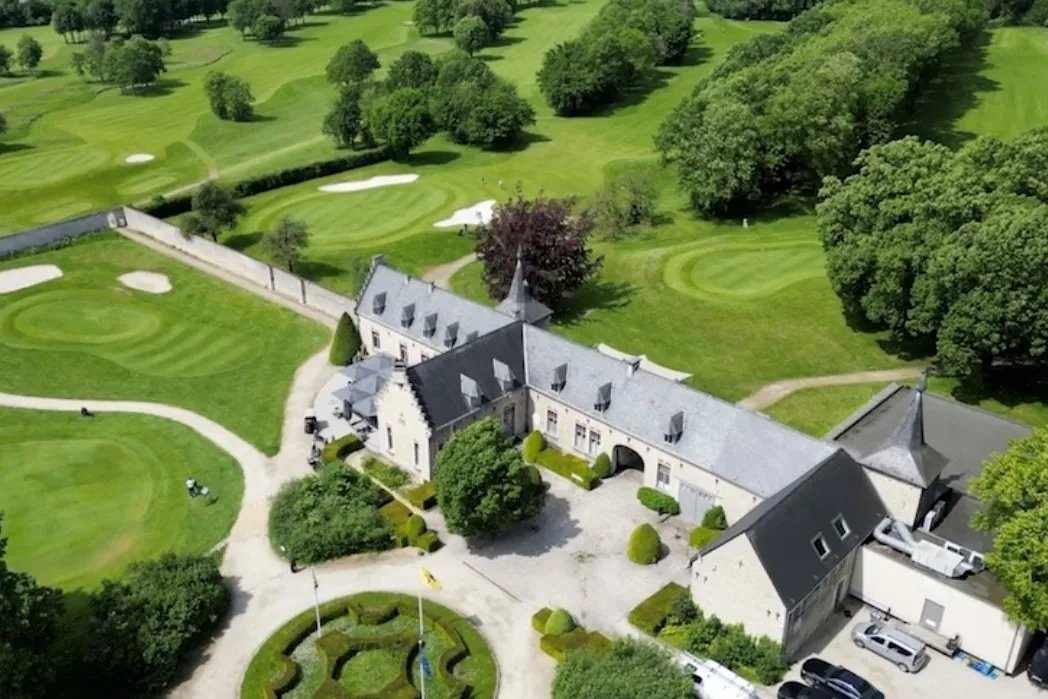
A stone’s throw from Brussels Airport, where aircraft skim over the fairways, lies one of Flanders’ most forward-thinking golf clubs. Brabantse Golf is not just a sporting oasis on the outskirts of the capital, but also a laboratory for ecological management. At the helm is Dimitri Moerenhout, a visionary head greenkeeper supported by his experienced predecessor Philippe Mallaerts, who continues to help steer the club as a consultant after retiring.
The club was founded forty years ago as a distinctly Flemish golf course and now has eighteen challenging holes across more than forty hectares. “We challenge each other to keep raising the bar,” says Mallaerts. “That dual perspective keeps the course sharp and future-proof.”
Master and apprentice
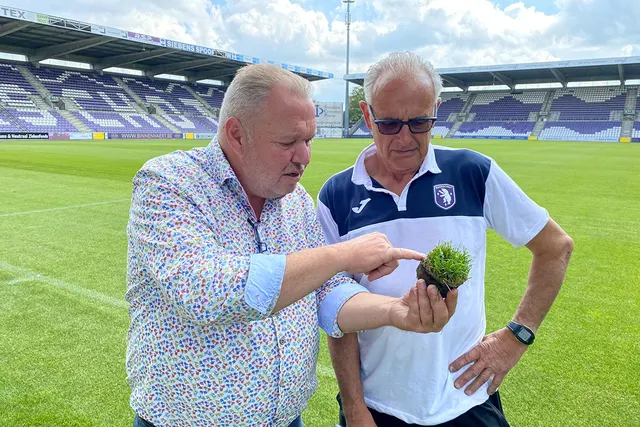
“Philippe is my backup, my sounding board, my memory,” says Moerenhout. “He knows the course inside out. I’m now in charge, but it’s a luxury to be able to draw on his experience with major projects or when things get a little tense.” Philippe remains active in the sector too: as vice-chair of GAB (Greenkeepers Association Belgium), he shares his knowledge through study days, workshops and training courses.
Technology as a trusted caddie
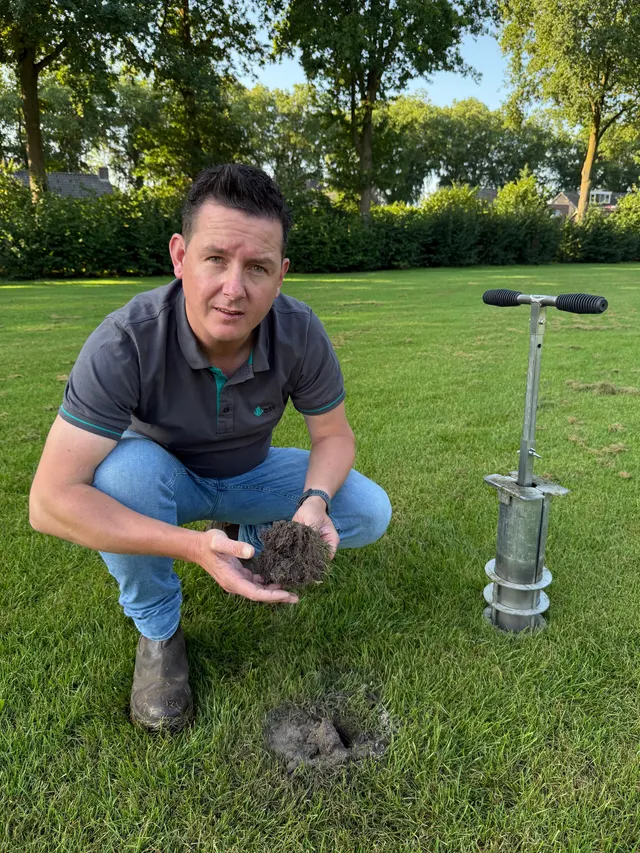
Innovation is part of everyday practice here. Moerenhout explains: “I regularly measure soil moisture and salt levels, and keep track of how many litres of rain have fallen. I look at that data alongside what I can see on the course. Combining measurements with what’s visible on the ground gives us the right interpretation and helps us take appropriate action.”
The machinery fleet has also had a green upgrade. An electric greens mower, a quiet fairway mower and a fleet of battery-powered golf buggies significantly reduce diesel consumption each year. Solar panels on the roof of our shed charge the batteries. “We need to start by reducing CO2 emissions and aim to make the golf club as climate-neutral as possible,” says Moerenhout.
Biodiversity beneath the flight path
The course lies directly beneath the Zaventem flight path, but ecological thinking is free to flourish here. Summers are getting drier and downpours more intense, and the impact is felt on the course. Brabantse Golf is responding with a smart system that addresses both extremes: rainwater flows into swales and a central basin. This retention basin, which technically belongs to the airport, is fully integrated into the course and supplies 100% of the irrigation water. Chemical crop protection products have been phased out on the greens over the years. Biostimulants, wetting agents and resilient grass mixtures are taking over. “Zero tolerance isn’t a threat, but a challenge to work more efficiently,” says Mallaerts.
The ambitious golf club has held almost every sustainability certificate available for years, including the GEO label and the Kompas Duurzaamheid. “Electrification and our water plan were our biggest steps towards reducing CO2 emissions,” they say. But their ambitions go further: “We’re aiming for more biodiversity on the course: butterflies, woodpeckers, insects and bats. It’s about working with nature, not against it.”
Turning young talent into skilled professionals
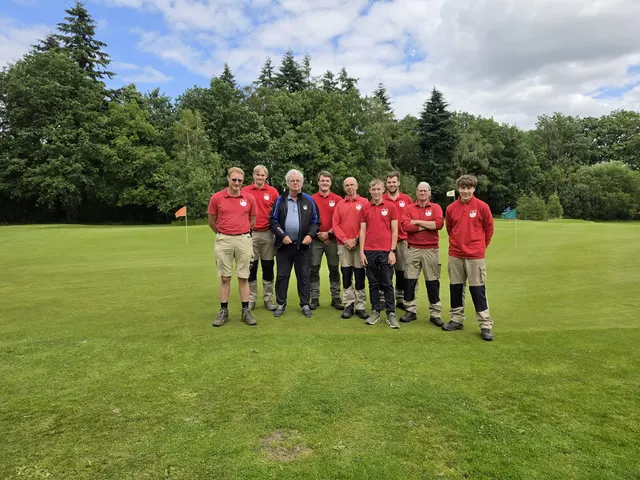
The sector is ageing and recruitment is slowing. “Greenkeeping is a unique job, but few young people realise that,” says Moerenhout. “We try to get them interested through schools, offer them opportunities to develop and encourage them to take training courses. You have to invest time. Good greenkeepers aren’t born, they’re cultivated.”
Through GAB, he also has the opportunity to inspire people beyond the club. “We offer training in leadership, soil analysis and burnout prevention. Everything the job demands today, but didn’t in the past.”
And tomorrow?
Where will Brabantse Golf be in 2030? Mallaerts smiles: “With a smart drainage system that can cope with extreme rainfall and a robust turf that can survive prolonged drought. But above all, as a place where nature and the game enhance each other.” Moerenhout
adds: “The future isn’t about fighting nature, but working with it. That starts with the grass beneath your feet.”
Question about this story? Ask your question
Keep following this
Get an email when a new story is published. No account needed.
- ThemeKeeping golf courses playable all year round
- SubjectSports grounds & golf courses