Lawn mowers: what does the future hold?
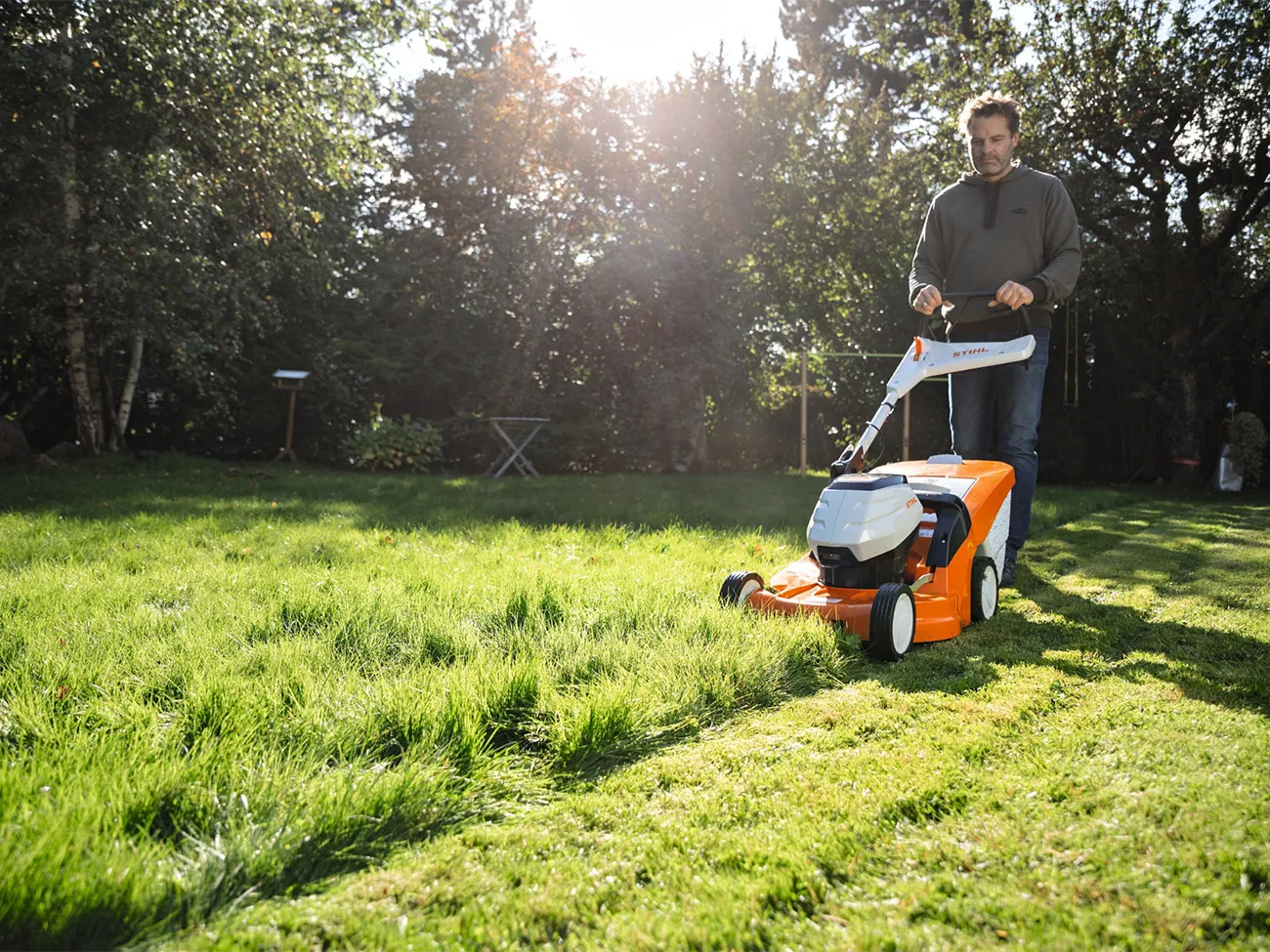
Manufacturers and distributors of (professional) lawn mowers face a host of new trends, developments and challenges. From autonomous mowers to zero emissions, from component shortages to circular applications… How do specialists in the field view these factors? We sought the views of Jo De Brauwer (Managing Director, Vandaele Konstruktie nv), Lieven Beyl (Group Sales & Marketing Director, Cofabel nv), Luk Hendrickx (Product Manager, Andreas Stihl nv) and Johan Surkyn (Manager Finance, Sales & Administration, The Toro Company).
A wide range of challenges
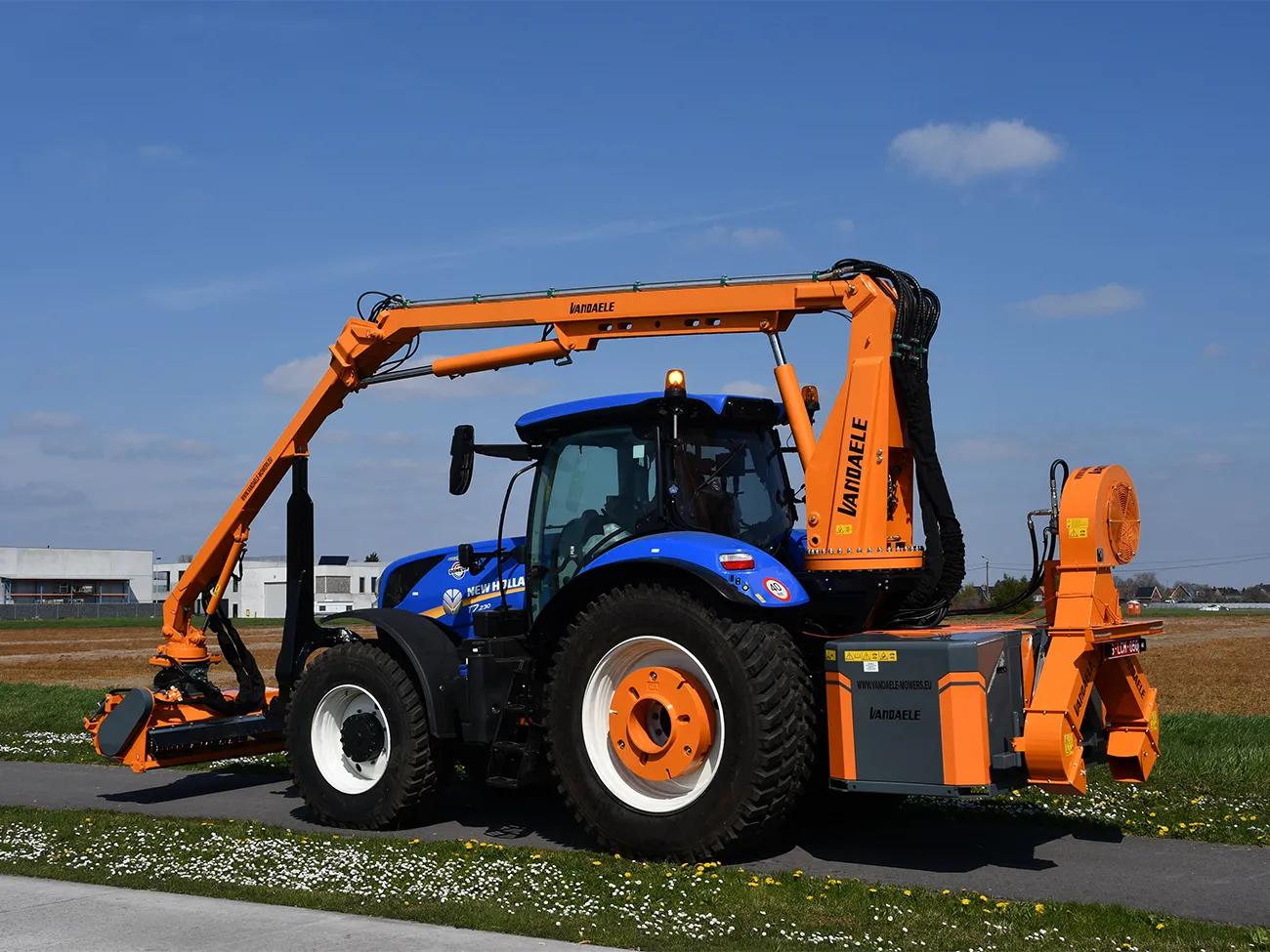
Asked about the biggest challenges in the development, production, delivery and maintenance of lawn mowers, all four experts agree: shortages of raw materials and components, rising prices, long lead times and hard-to-fill vacancies are causing the sector plenty of headaches. “An unstable regulatory framework and a lack of a hands-on mentality also make the job more difficult,” confirms Jo De Brauwer.
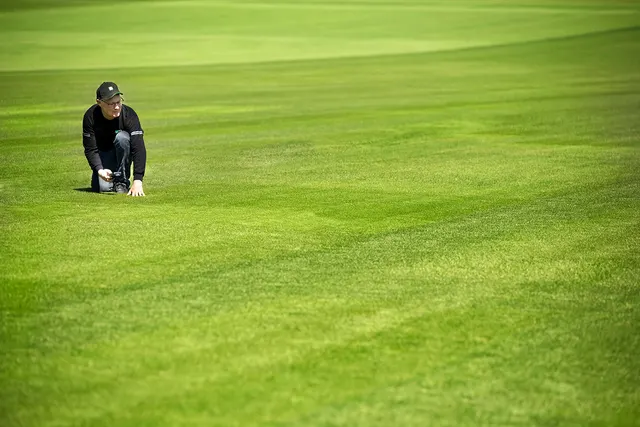
Alongside these general challenges, Lieven Beyl points to several specific issues: “In the professional segment, we are seeing growing demand for electric machines, although the increase is not as pronounced as in the consumer market. The intensive use of professional mowers still seems to be a barrier to switching to batteries. At the same time, I predict that the growing use of batteries in cars, trucks and other vehicles will put further pressure on the availability and prices of raw materials for electric lawn mower production. And one final challenge: reducing noise pollution, for example on golf courses, is also a consideration when using mowers professionally.”
A focus on sustainability
As in other sectors, lawn mower manufacturers are putting sustainability high on the agenda.
Jo De Brauwer kicks things off: “Sustainability has been an absolute priority in mower development and product optimisation for some time. We see this agenda item, which goes hand in hand with ease of maintenance and low maintenance requirements, as an all-encompassing concept, with no compromise on performance or functionality. We can make a direct ecological impact by converting power as efficiently as possible, using tailored software, using biodegradable consumables such as bio-oil, and making wear parts more durable or reducing their number. For indirect ecological impact, I would point to the longer service life of mowers, their end-of-life recycling, and the use of green energy in production.”
Lieven Beyl adds: “When it comes to smaller lawn mowers for consumers, we are seeing a growing shift towards battery-powered motors. I would, however, point out that transporting batteries, which are not always manufactured in the same location as the assembly plants, still has too great an environmental impact. There is still work to be done in that respect.”
Luk Hendrickx also highlights the shift from petrol mowers to battery-powered and robotic mowers: “CO2 emissions are falling year on year. We are also working to minimise our own production processes’ ecological footprint. Our factories are being equipped to use less and less energy, or to become self-sufficient. And, as Jo has already pointed out, circularity is the future, both in the production process and in the recycling of mower parts.”
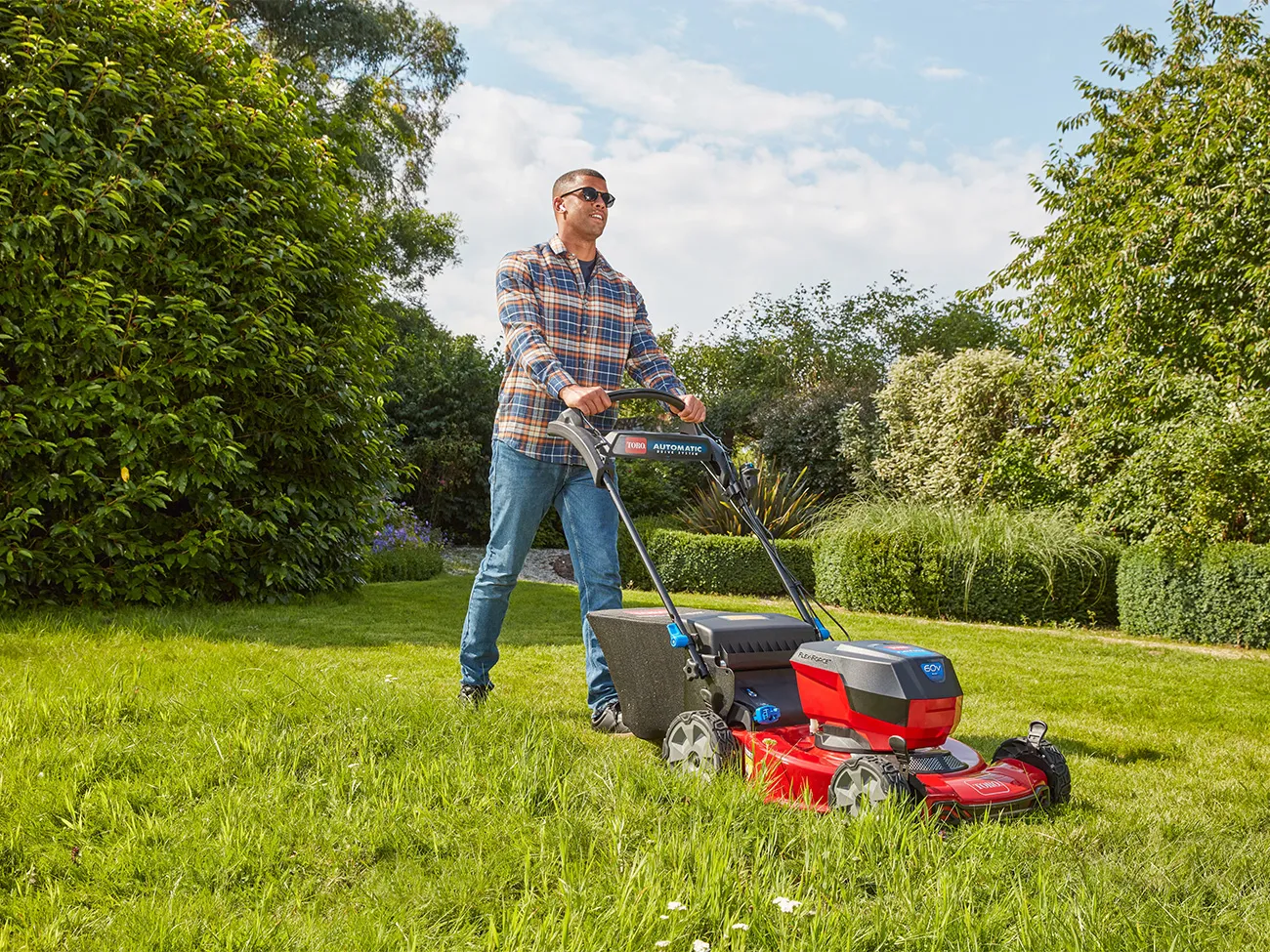
Johan Surkyn endorses these priorities and adds some specific examples from The Toro Company: “Sustainable energy use starts with optimising the amount of energy used for the task a mower is deployed to perform. Our Toro Smart Power Technology allows operators to adjust a mower’s engine speed automatically to suit mowing conditions. And with our Toro MyTurf software, we give professional customers the flexibility to adjust their mower fleets as needed.”
The next breakthroughs
Which technical developments does our panel expect to gain further traction over the coming years? Johan Surkyn believes the European Green Deal, together with national legislation, will drive the uptake of electric mowers. “Battery use will continue to grow. As more manufacturers enter the market, prices will fall further. I also expect to see more self-propelled and remotely controlled professional mowers.”
Luk Hendrickx shares this view (“the decline of petrol mowers is irreversible”), and adds: “There will be more automation, robotics and connectivity, including smarter fleet management and the application of the Internet of Things.”
According to Lieven Beyl, professional mower users are looking for powerful batteries that are easier to handle and have a longer service life. “Intensive research and development is bringing us modern, user-friendly batteries that are persuading more and more customers to embrace sustainability. I also see great potential in hydrogen as an interesting fuel for both professional and consumer mowers. Research into hydrogen is in full swing. I am keen to see how this develops.”
“Last but not least, I agree with Johan about the growing popularity of self-propelled mowers. These robots are already well established in the consumer sector, with sales showing positive trends. But there are also interesting applications in the professional world, such as mowing larger areas, including golf courses and sports grounds. Self-propelled mowers are an ideal solution for preparing fields for recreation overnight or in the morning, and they can also help address the staff shortages facing sports clubs.”
Zero emissions
Are zero-emission lawn mowers gaining momentum? Absolutely! Our experts explain why.
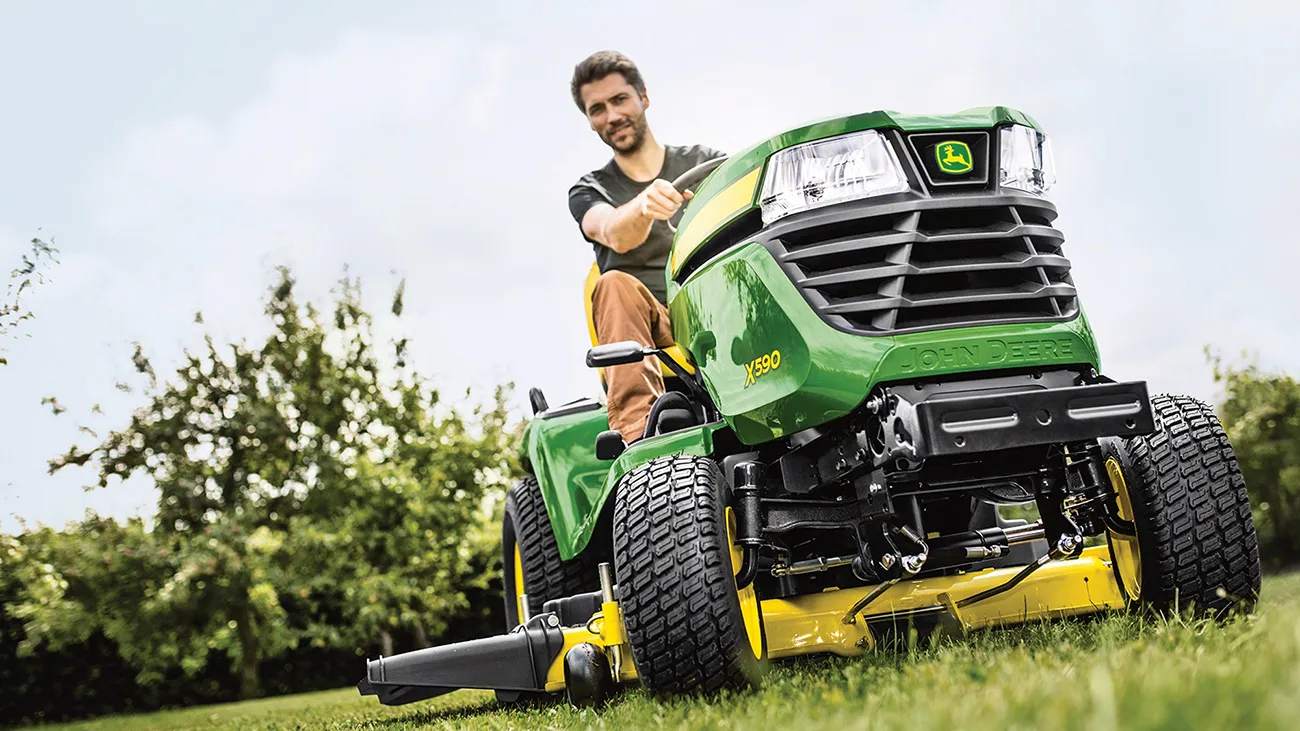
Lieven Beyl: “The green sector has every opportunity to move towards zero emissions. CO2 emissions can be tackled by switching to batteries and hydrogen. Our John Deere factories have been pursuing a zero-emission policy for several years, using solar panels and wind power and continuing to make our production processes greener.”
“The development of ever-larger batteries will enable us as a manufacturer to build larger mowers,” adds Luk Hendrickx. “And better connectivity creates fantastic opportunities to bring fully autonomous mowing systems to market.”
As a manufacturer of verge mowers, Jo De Brauwer tempers expectations somewhat: “Our mowers depend on tractors, and always will. Today and in the medium term, I see no alternative power source to the combustion engine, with the possible exception of hydrogen.”
The needs and expectations of professionals
As technology in lawn mowers evolves at a rapid pace, the needs and expectations of (professional) customers are changing just as quickly. What are they looking for when using mowers today?
Luk Hendrickx highlights three aspects: “First, we are seeing growing demand for large, robust machines. There is also a greater need for connectivity and fleet management. Finally, customers want clear information on emissions so they can calculate their own CO2 footprint.”
Jo De Brauwer sees the same priorities: “Powerful, robust machines remain high on most of our customers’ wish lists. However, we are seeing growing interest in environmentally friendly machines, for example among public-sector organisations. The two need not be mutually exclusive. At Vandaele Konstruktie, we develop mowers that deliver maximum power efficiency. One customer values lower fuel consumption for the cost savings, while another sees it as a way to reduce pollution.”
Lieven Beyl emphasises different priorities: “For professional customers, every minute of working time counts. They want to minimise machine downtime. At Cofabel, we offer a 24/7 service and, for example, provide replacement machines and rapid servicing. We also see potential in offering wider mower decks and faster machines, helping to make working time as productive as possible. Finally, I would again point to the growing use of self-propelled mowers among professional customers, which offer interesting opportunities to reduce labour costs.”
Question about this story? Ask your question
Companies in this story

Keep following this
Get an email when a new story is published. No account needed.
- ThemeKeeping turf strong and playable
- SubjectTurf management
- CompanyAndreas STIHL NV