Stronger turf, fewer chemicals: the silicon revolution has begun
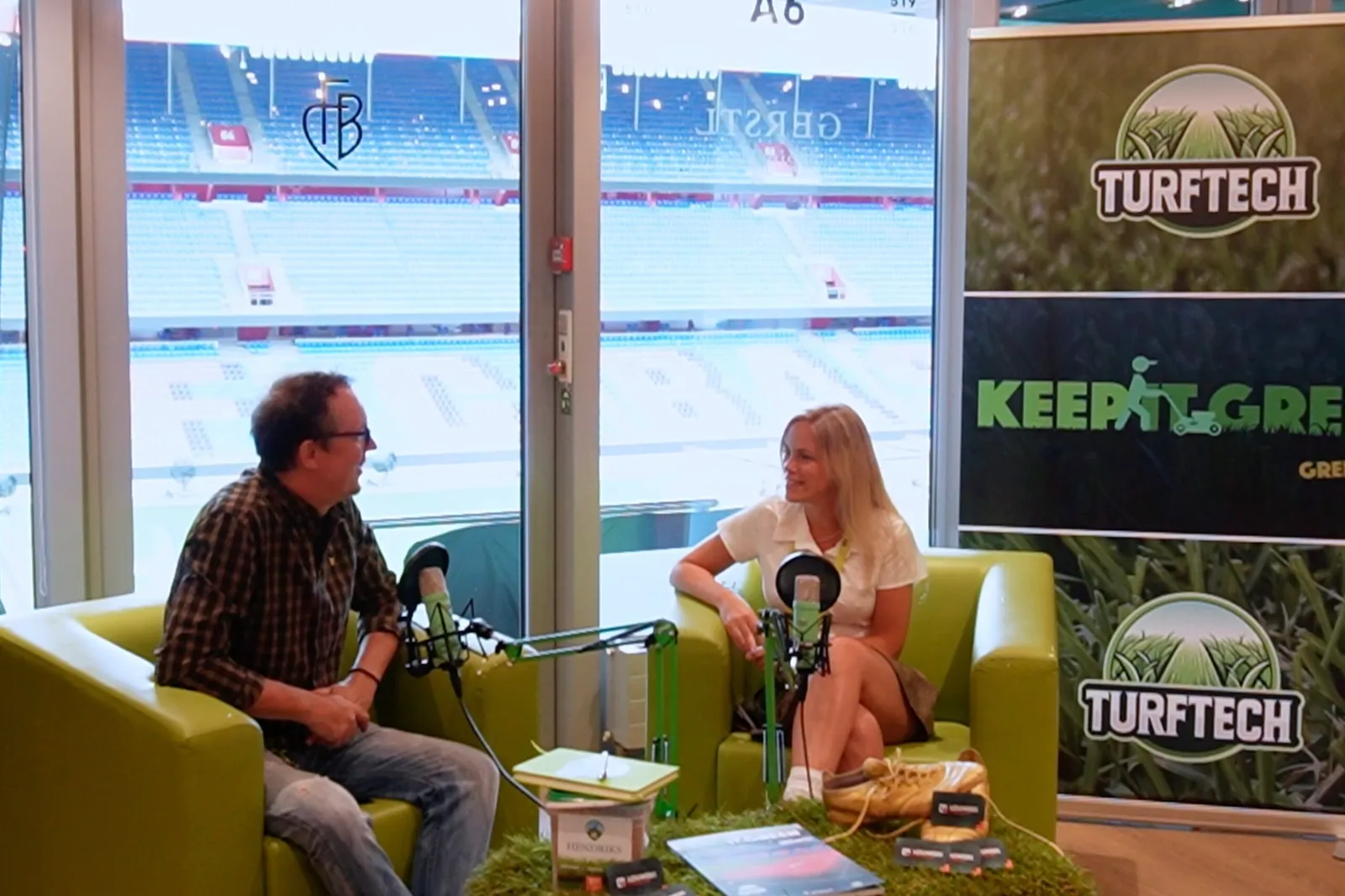
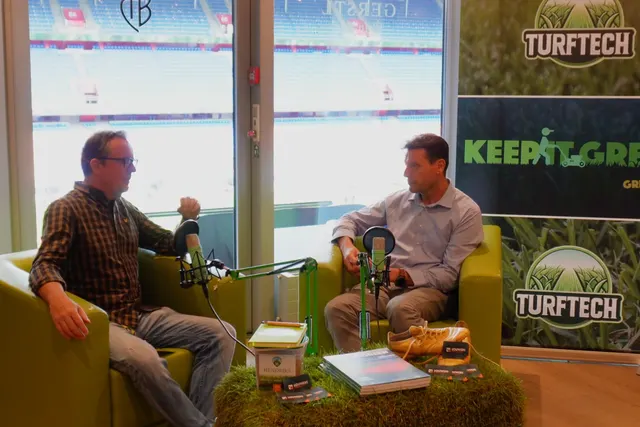
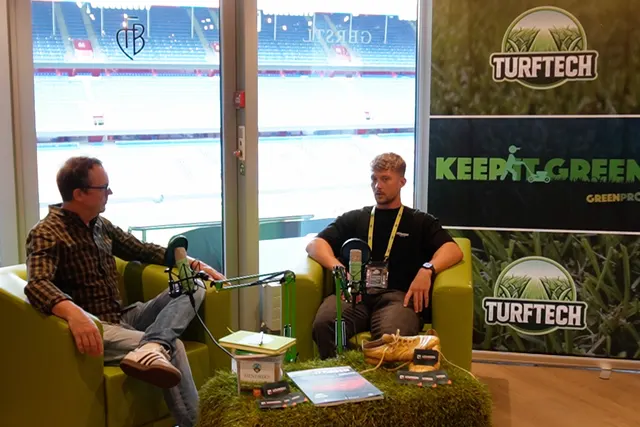
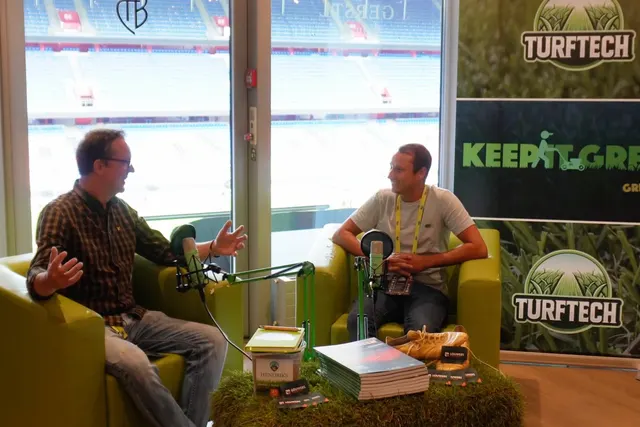
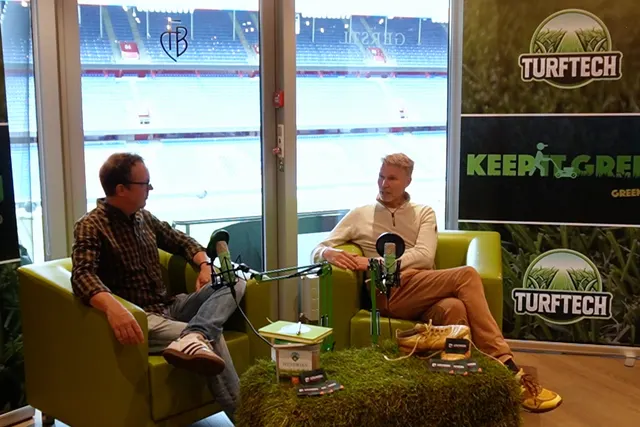
At TurfTech 2025 in Basel, we sat down with Kate Finlayson of Orion Future Technology Ltd to explore one of the most promising developments in modern sports turf management: the role of silicon in plant health and sustainability.
Host: Kris Vandekerckhove
Guest: Kate Finlayson, Orion Future Technology Ltd
With a background in plant biology, agriculture and sustainability, Finlayson explains how strengthening plants at a structural level can reduce the need for fertilisers, pesticides and other inputs. Silicon, she explains, reinforces plant structures, helping turf cope better with stress, disease and heavy use.
Finlayson explains how grounds managers can start incorporating silicon into their programmes, why the results can vary depending on the growing season, and why one of the biggest myths in the industry persists: the idea that all silicon products are the same.
For grounds managers looking to improve durability, sustainability and plant health, this episode offers a clear introduction to a technology that may become increasingly important to the future of sports turf.
Full transcript
Alle hoofdstukken (34)
- Podcast introduction
- Who is Kate Finlayson in the world of turf?
- From agriculture to sports turf
- What is a “silicon sister”?
- How silicon strengthens plants
- Research and benefits of silicon
- Projects and football clubs
- Working with top clubs
- Different results each season
- First step to implementing silicon
- Sustainability and ecological benefits
- A common myth about silicon
- Not all silicon products are the same
- Closing the conversation
- End of the recording
- I mean, in my view, it’s really simple. Because it acts like a fertiliser, you can essentially use it as a spacer between certain applications.
- So look at reducing your nitrogen a little and adding some silicon to your programme. It’ll help slow down growth and strengthen the root structure and the turf. Or just add it once a month, once…
- …every two weeks and look for those differences. And actually feel them, because you can really feel the difference in the texture and stability of the turf. Once you start to see the differences, you can tailor your programme around…
- …what you want to get out of it and what you want to see.
- Podcast introduction
- Who is Kate Finlayson in the world of turf?
- From agriculture to sports turf
- What is a “silicon sister”?
- How silicon strengthens plants
- Research into silicon and its benefits
- Projects and football clubs
- Working with top clubs
- Different results from season to season
- The first step in applying silicon
- Sustainability and environmental benefits
- A persistent myth about silicon
- Not all silicon products are the same
- Wrapping up the conversation
- End of recording
Podcast introduction
Kris Vandekerckhove So, hi Kate. Hello. Welcome to the Keep It Green podcast. We like to think of ourselves as one of the leading magazines for groundsmen, groundswomen and greenkeepers. And I’d like to ask you a couple of questions.
Kate Finlayson Of course.
Who is Kate Finlayson in the world of turf?
Kris Vandekerckhove So, Kate, who are you and what do you do in this world?
Kate Finlayson In the world of turf?
Kris Vandekerckhove In the world of turf. Are you a turf wizard? Oh, I’m the turf fairy. The turf fairy. Yeah, apparently that’s what I’ve been called. It’s really my nickname. Oh my gosh.
From agriculture to sports turf
Kate Finlayson Yeah. My career began in agriculture, plant science and sustainability, really. I consulted with growers on using fewer pesticides, environmental issues and sustainability. I’ve worked across lots of different fields: agriculture, horticulture, flowers, and then I happened upon turf a couple of years ago, quite recently. Now I consult in lots of different countries on sports turf, doing much the same thing: looking at how we can make the management of professional sports turf more sustainable and environmentally friendly. And yeah, I think there’s so much technology we can take from other industries and bring into turf. It’s fascinating to see the whole picture across all the different technology fields and cross-pollinate ideas.
What is a “silicon sister”?
Kris Vandekerckhove Yeah, okay. So I read that you’re a silicon sister. For the non-turf geeks, what’s your “explain it to my dad” version of what silicon actually does?
How silicon strengthens plants
Kate Finlayson Of course, yeah. As I said, I have a background in plant biology, and what we’re always looking to do, obviously, to minimise the use of fertilisers and pesticides, is make the plant really healthy and strong to begin with. If you have a strong plant, it needs far less maintenance and far fewer inputs during the growing season, and that’s the same for turf. One really interesting element you can use to do that is silicon. You wouldn’t necessarily think it would work particularly well in a living plant, but actually every plant needs silicon to reinforce its structure. It’s a bit like concrete in a building. It really strengthens it.
Read the full transcriptCollapse transcriptnog 29 hoofdstukken
Research and benefits of silicon
Kate Finlayson I started researching silicon about four years ago, when I took on my current role, and the benefits you can see from using it have been fascinating. It isn’t readily available in soil, so supplementing turf with it really strengthens the sward. It reduces disease levels and the amount of nutrients you need to apply, because it helps draw more nutrition into the turf. It also reinforces the structure, which helps with playability and recovery after matches and things like that. It’s been really interesting to see how many benefits we’re getting from these particular factors.
Projects and football clubs
Kris Vandekerckhove And where can we see a project you’re particularly proud of? Is there a turf or pitch we’d all know?
Kate Finlayson Oh, naming names is a bit dangerous, isn’t it?
Working with top clubs
Kate Finlayson I’m really privileged that a lot of groundskeepers at some very high-profile clubs in the UK have welcomed me in and given me access to what they’re doing and the challenges they face. They’ve run trial programmes for me and been really supportive. I have to mention John Ledwidge at Manchester City in particular. He’s been amazing: he’s helped me with all my questions and run on-site trials for me, and I’m so grateful.
Different results each season
Kate Finlayson These days I work with lots and lots of clubs, and it’s really great to drop in and ask what they’re seeing and what results they’re getting. I always get a slightly different answer. This year, they’re saying the turf stays greener when it’s dry. They’re using it on training grounds to help retain water. That hasn’t been a challenge in previous seasons, so it hasn’t really come up in the feedback before. This year, that’s been the main result. You see different benefits from year to year, depending on the growing season.
First step to implementing silicon
Kris Vandekerckhove In your words, what’s the first step groundsmen and groundswomen can take to incorporate your system?
Kate Finlayson I think it’s really simple. Because it acts like a fertiliser, you can essentially use it as a spacer between certain applications. You could look at reducing your nitrogen a little and adding some silicon to your programme. It will help slow down growth and strengthen the root structure and the turf. Or just add it once a month, or once every two weeks, and look for the differences. And actually feel them, because you can really feel the difference in the texture and stability of the turf. Once you start to see the differences, you can tailor your programme to what you want to get out of it and what you want to see.
Sustainability and ecological benefits
Kris Vandekerckhove And how does that translate into durability and ecological benefits? That’s what it’s all about these days.
Kate Finlayson I’d say it’s one of the most crucial materials for making your growing practices more sustainable and environmentally friendly. Applying silicon as a foliar spray helps the roots take up more nutrients from your growing medium, whether that’s grass, a hybrid surface or soil. It mobilises more of those nutrients, whether they’re applied in liquid or granular form. We all know that when you apply granular products, a lot gets washed through, especially on high-input pitches. Silicon can really help slow that process down. I think that’s key, because it’s an ongoing challenge. We don’t want to keep piling on nitrogen fertilisers when we don’t need to.
A common myth about silicon
Kris Vandekerckhove Okay, one last question. What’s a myth in your business that you’d really like to dispel?
Kate Finlayson I’d say the question I’m asked most often is, “Isn’t it just sand? Isn’t it already everywhere?”
Not all silicon products are the same
Kate Finlayson That’s a reasonable question, because silicon takes so many different forms, from sand to jelly to microchips. But there’s a very diverse range of products, and they all work very differently. We have a lot of clients who use things like potassium silicate or diatomaceous earth, so they think it’s all the same. But it isn’t. It’s about choosing the right product so it’s available to the plant and delivers the benefits you’re looking for.
Closing the conversation
Kris Vandekerckhove Not all silicon products are the same. Let’s make that the title of this podcast.
Kate Finlayson Perfect.
End of the recording
Kris Vandekerckhove What are your plans for the next couple of days here at TurfTech? Thank you very much for taking this maiden voyage with me.
Kate Finlayson Yes, yeah, thank you so much.
Kris Vandekerckhove And I think we’ll see each other plenty over the next couple of days. I hope I won’t be drinking too much from the nerf stuff.
Kate Finlayson No worries, no worries.
Kris Vandekerckhove That’s it.
REEL
I mean, in my view, it’s really simple. Because it acts like a fertiliser, you can essentially use it as a spacer between certain applications.
So look at reducing your nitrogen a little and adding some silicon to your programme. It’ll help slow down growth and strengthen the root structure and the turf. Or just add it once a month, once…
…every two weeks and look for those differences. And actually feel them, because you can really feel the difference in the texture and stability of the turf. Once you start to see the differences, you can tailor your programme around…
…what you want to get out of it and what you want to see.
NL
Stronger turf, fewer chemicals: the silicon revolution has begun
Host: Kris Vandekerckhove
Guest: Kate Finlayson, Orion Future Technology Ltd
Podcast: Keep It Green, TurfTech 2025
At TurfTech 2025 in Basel, we spoke with Kate Finlayson of Orion Future Technology Ltd to explore one of the most promising developments in modern sports turf management: the role of silicon in plant health and sustainability.
With a background in plant biology, agriculture and sustainability, Finlayson explains how strengthening plants at a structural level can reduce the need for fertilisers, pesticides and other inputs. Silicon, she explains, reinforces plant structures and helps turf cope better with stress, disease and heavy use.
Finlayson explains how grounds managers can incorporate silicon into their programmes, why the results can vary depending on the growing season, and why one of the biggest myths in the industry persists: the idea that all silicon products are the same.
For grounds managers looking to improve sustainability, playability and plant health, this episode offers a clear introduction to a technology that could become increasingly important to the future of sports turf.
Podcast introduction
Kris Vandekerckhove So, hi Kate. Hello. Welcome. You’re a guest on the Keep It Green podcast. We like to think of ourselves as one of the leading magazines for groundsmen, groundswomen and greenkeepers. And I’d like to ask you a couple of questions.
Kate Finlayson Of course.
Who is Kate Finlayson in the world of turf?
Kris Vandekerckhove Kate, who are you and what do you do in this world?
Kate Finlayson In the world of turf?
Kris Vandekerckhove In the world of turf. Are you a turf wizard? Oh, I’m the turf fairy. The turf fairy. Yeah, apparently that’s what I’m called. It’s actually my nickname. Oh my gosh.
From agriculture to sports turf
Kate Finlayson: Yes. My career actually began in agriculture, in plant science and sustainability. So I advised growers on using fewer pesticides, environmental issues and sustainability. After that, I worked in several sectors: agriculture, horticulture and floriculture. It was only a few years ago that I moved into the turf sector.
I now advise on sports turf in several countries, with essentially the same focus: looking at how we can make the management of professional sports pitches more sustainable and environmentally friendly. I think there is a huge amount of technology that we can take from other sectors and bring into turf. It’s really interesting to see the bigger picture across different technology fields and encourage ideas to cross-pollinate between sectors.
What is a “silicon sister”?
Kris Vandekerckhove: OK, I read that you’re a kind of silicon sister. For the non-turf nerds: what’s your “explain it to me as if I had to explain it to my dad” version of what silicon actually does?
How silicon strengthens plants
Kate Finlayson: Of course. As I said, I have a background in plant biology. What we always try to do to reduce the use of fertilisers and pesticides is make the plant as healthy and strong as possible from the outset. If you have a strong plant, it needs far less maintenance and far fewer inputs during the growing season, and that applies to turf too.
One of the interesting elements you can use to achieve that is silicon. It’s not the first thing you might think of as being useful to a living plant, but in fact every plant needs silicon to strengthen its structures. It’s a bit like concrete in a building. It simply makes the plant stronger.
Research into silicon and its benefits
Kate Finlayson: I started researching silicon in my current role about four years ago, and it’s really fascinating to see the benefits you can achieve with it. It isn’t readily available in the soil, so adding it to turf really strengthens the plant structure.
It reduces disease pressure and the amount of nutrients you need to add, because it helps the grass take up more nutrients. And it strengthens the structure, which helps with playability and recovery after matches. It’s really interesting to see how many benefits we can achieve with this element.
Projects and football clubs
Kris Vandekerckhove: Where could we see a project you’re particularly proud of? A pitch we’d all know?
Kate Finlayson: Naming names is a bit dangerous, isn’t it?
Working with top clubs
Kate Finlayson: I’m lucky that many groundskeepers at some top clubs in the UK have welcomed me and given me access to what they do and the challenges they face. They’ve run trial programmes for me and have been very supportive.
In particular, I have to say that John Ledwidge at Manchester City has been amazing. He’s helped me with all my questions, run on-site trials, and I’m really grateful to him for that.
Different results from season to season
Kate Finlayson: These days, a lot of clubs are using it, and it’s really interesting to visit and ask: what are you seeing, what results are you getting? I always get a slightly different answer. This year, it was that the grass stays greener when it’s dry. They use it on training pitches to help retain water more effectively.
That wasn’t a challenge in previous seasons, so it didn’t come up in the feedback either. But this year, it was the main result. The benefits you see vary from year to year, depending on the growing season.
The first step in applying silicon
Kris Vandekerckhove: What do you think would be the first step groundsmen and groundswomen could take to integrate your system?
Kate Finlayson: In my view, it’s actually very simple. Because it works like a fertiliser, you can essentially use it as an intermediate step between certain applications. For example, you could reduce your nitrogen a little and add silicon to your programme. That slows growth slightly and strengthens the root structure and the grass.
You could add it once a month or every two weeks, for example, and see the difference. You can also feel it, actually, because you can really notice it in the texture of the grass and its stability. Once you see those differences, you can adjust your programme to achieve the results you’re looking for.
Sustainability and environmental benefits
Kris Vandekerckhove: How does that translate, given that sustainability and ecology are everything these days? How does it fit in?
Kate Finlayson: I’d say it’s one of the most crucial materials for making cultivation more sustainable and environmentally friendly. When you use silicon as a foliar application, it helps the roots take up more nutrients from the growing medium, whether that’s grass, hybrid systems or soil. It mobilises more of those nutrients, both liquid and granular.
We all know that when you apply granular fertilisers, a large proportion leaches out, especially on intensively used pitches. Silicon helps slow that process down. That matters, because it remains a challenge: we don’t want to keep adding more nitrogen fertiliser when it isn’t needed.
A persistent myth about silicon
Kris Vandekerckhove: One last question. What’s a myth in your sector that you’d like to see disappear?
Kate Finlayson: The question I get most often is: isn’t it just sand? Isn’t it already everywhere?
Not all silicon products are the same
Kate Finlayson: That’s a logical question, because silicon comes in many different forms, from sand to gel to microchips. But it’s actually a very diverse group of products, and they all work in different ways. Many customers use products such as potassium silicate or diatomaceous earth, for example, and think they’re all the same. But they aren’t. The key is to choose the right product so that it’s effectively available to the plant and delivers the benefits you’re looking for.
Wrapping up the conversation
Kris Vandekerckhove: Not all silicon products are the same. Let that be the title of this podcast.
Kate Finlayson: Perfect.
End of recording
Kris Vandekerckhove: What are your plans for the next few days here at TurfTech? Thanks for joining me on this first podcast trip.
Kate Finlayson: Yes, thank you very much.
Kris Vandekerckhove: We’ll be seeing plenty of each other over the next few days. I just hope I don’t drink too many Nerf drinks.
Kate Finlayson: No problem.
Kris Vandekerckhove: That’s it.
Keep following this
Get an email when a new story is published. No account needed.
- SubjectTurfTech