The challenge of maintaining a pristine golf or sports surface
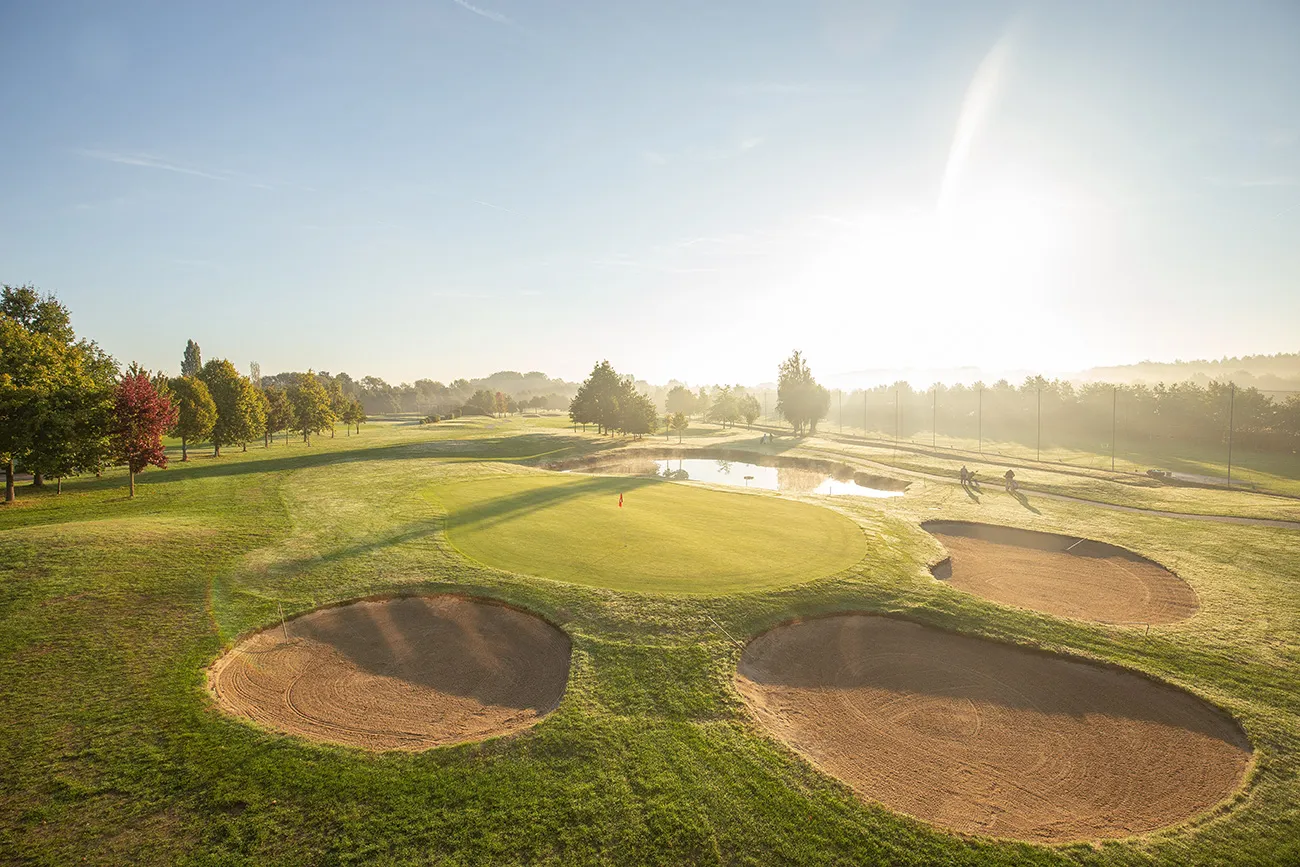
We expect sports and golf surfaces to look pristine at all times. But achieving this …
We expect sports and golf surfaces to look pristine at all times. However, to achieve this, greenkeepers have to contend with more than scorching summers. Weeds, unwanted grass species, and a range of diseases and pests also need to be controlled or, preferably, prevented. But how exactly do you do that, particularly within the restrictions of pesticide-free management? On 22 September, horticultural supplier Luc Pauwels organised a study day on the issue.
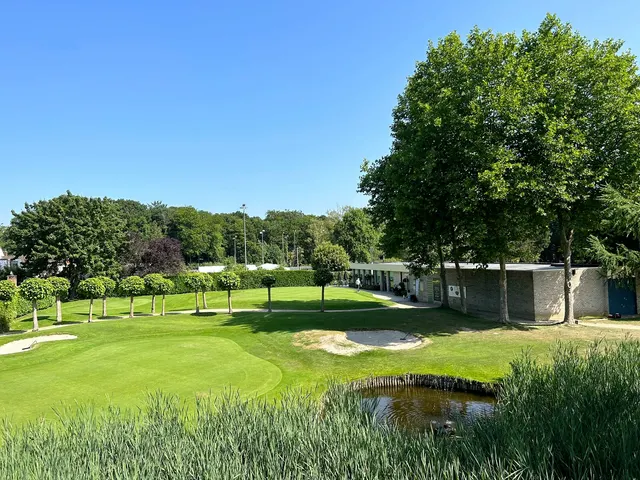
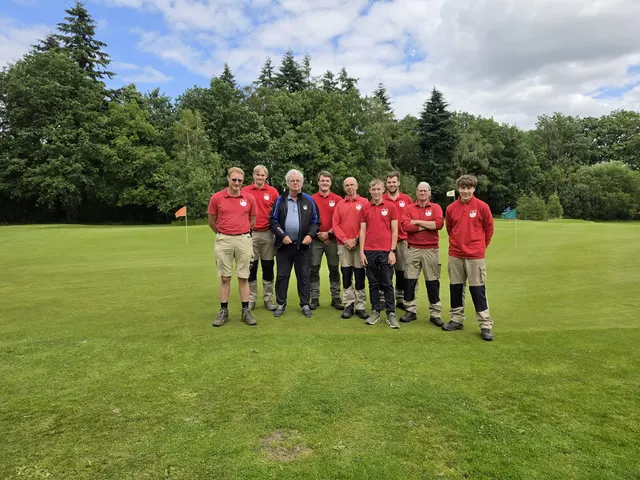
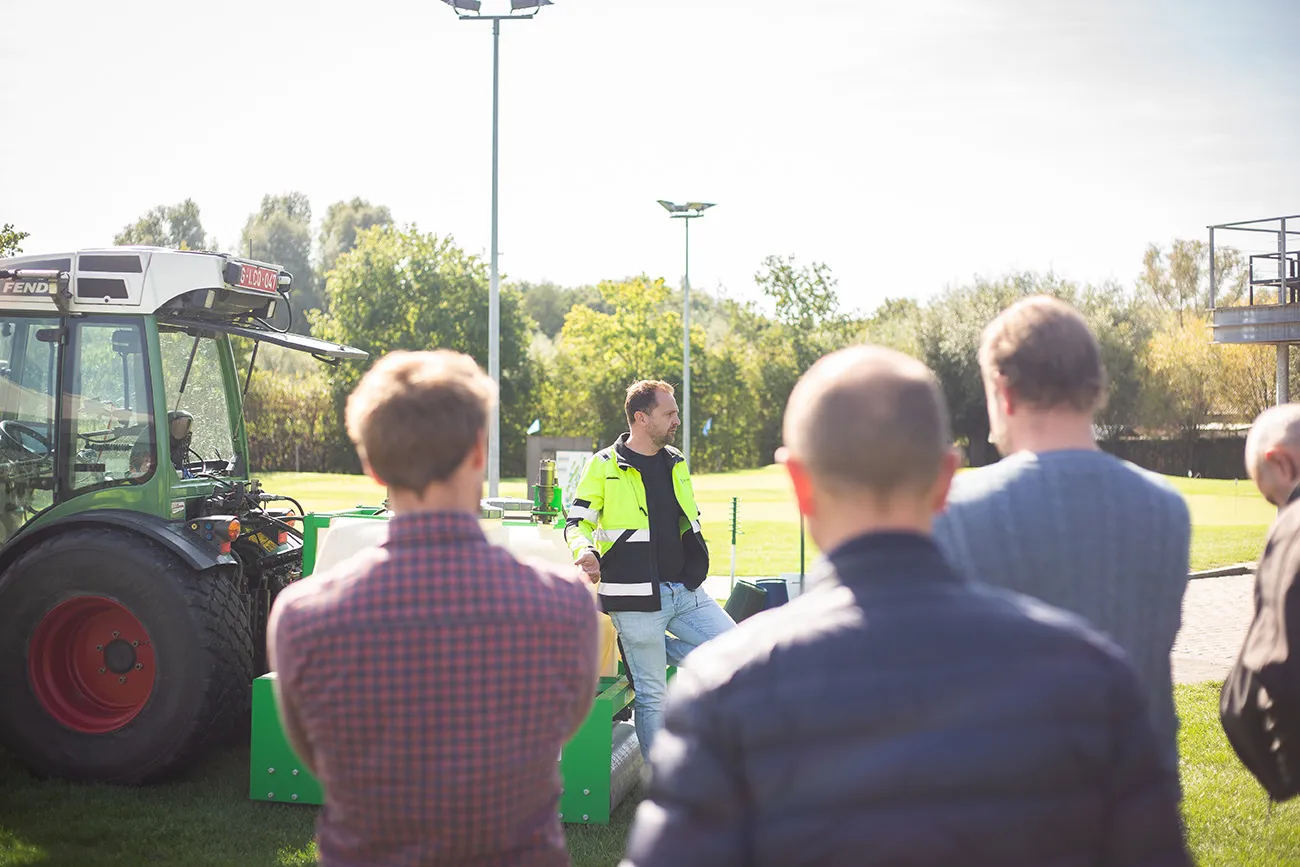
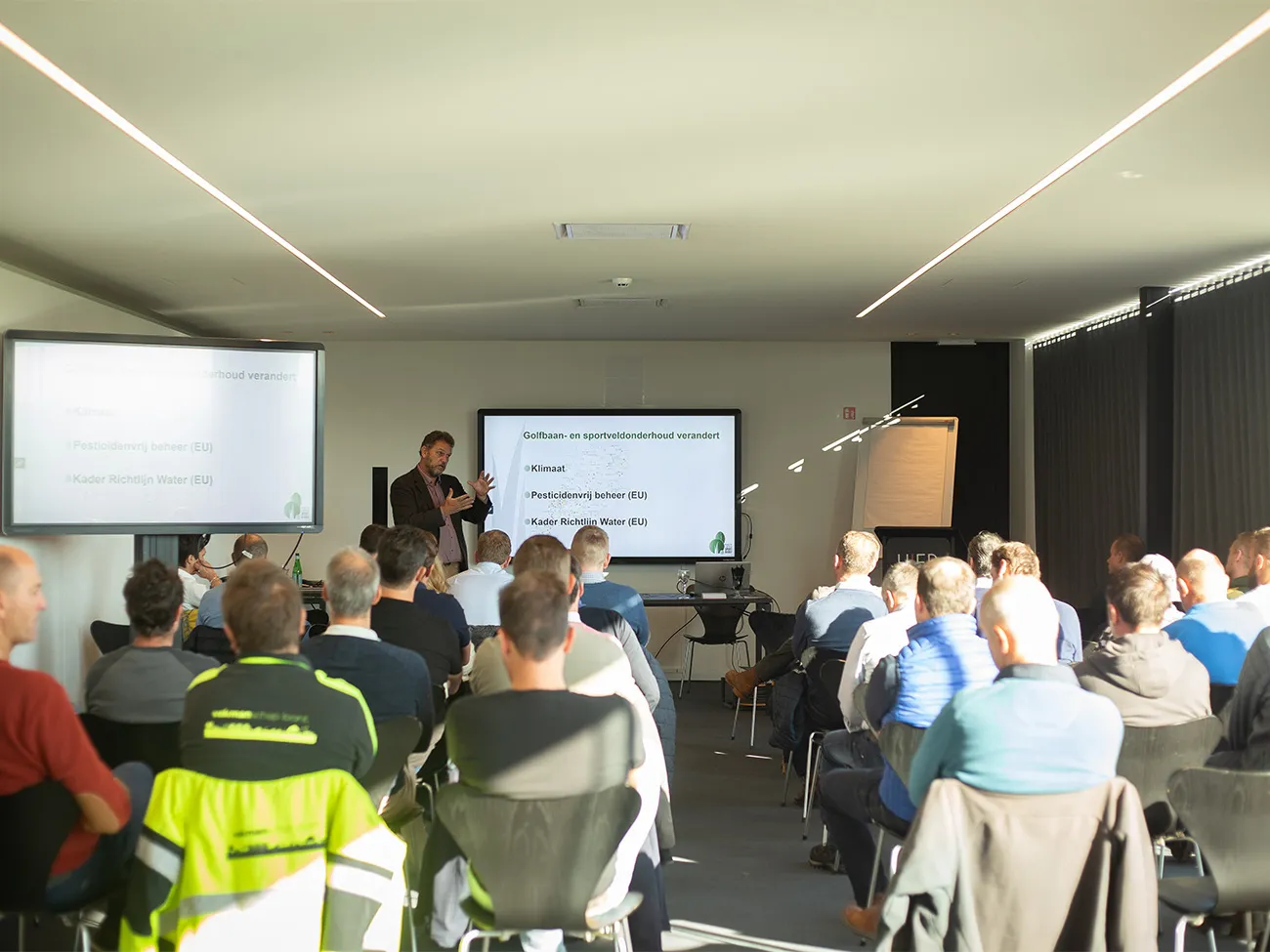
The study day took place at De Kluizen golf club in Aalst. Bathed in the light of a pleasant autumn sun, guest speakers Ernst Bos (Praktijkcentrum Sport en Golf), Tim Baldwin (Bion Benelux BV), Stein De Meulemeester (Envu Benelux), Olaf Bos (Barenbrug) and Kim Swinnen (De Ceuster) explained the measures that can be taken during establishment, maintenance and renovation to tackle some typical troublemakers. In the last case, the talk even included a demonstration.
Think in terms of target grasses
As in many other sectors, the clear guiding principle for maintaining sports and golf surfaces is that prevention is better than cure. Prevention, under the banner of Integrated Pest Management, has therefore taken on an increasingly important role. And it unquestionably starts with the turf.
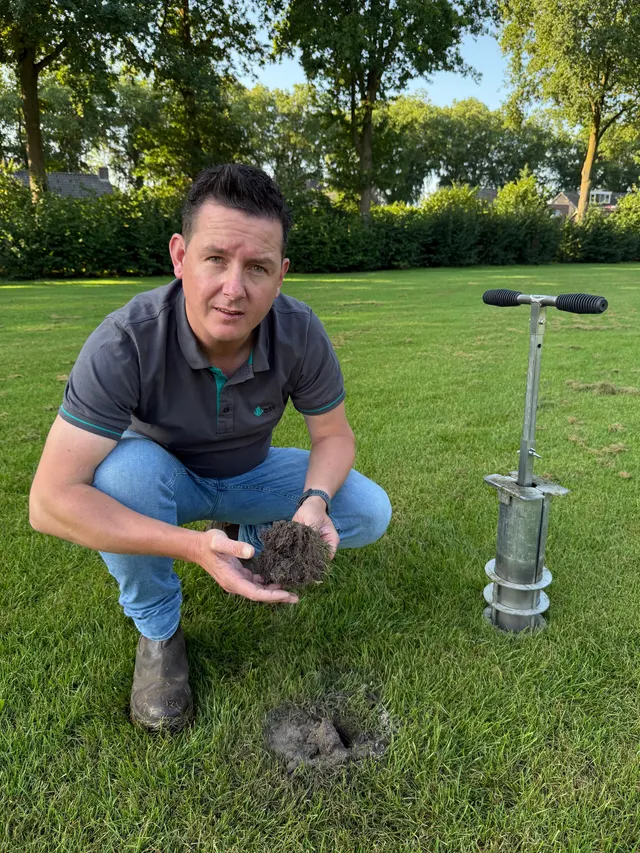
“Simply sowing top-quality seed is not enough,” Ernst Bos says, throwing down the gauntlet. “You need to understand how a turfgrass sward works, and why pests, diseases and weeds occur. A pest, for example, needs somewhere to lay its eggs and a suitable food source; a disease needs not only a pathogen, but also a susceptible host and the right environment. You can intervene in all these areas to reduce the opportunities for them to take hold.”
When it comes to weeds, Bos stresses the importance of choosing the right grass. “Although you can tackle certain weed species through appropriate mowing, the main aim is to prevent them from germinating and establishing. Two factors play an important role here: a dense sward on the one hand, and growing conditions on the other. If you look at the characteristics of the main grass and weed species, you will see, for example, that perennial ryegrass needs the same growing conditions as most weeds. Common bentgrass, by contrast, does better in dry soil, where weeds are less likely to thrive. This gives you a way to find a new balance. Think in terms of target grasses and tailor your maintenance accordingly.”
Unwanted annual meadow-grass
Of course, not all grass species are equally welcome on sports and golf surfaces. Olaf Bos of grass breeding company Barenbrug is particularly concerned with annual meadow-grass, or Poa annua. “Annual meadow-grass is a tough adversary,” he stresses. “It flowers up to eight times a year, produces seed under stressful conditions and germinates at temperatures as low as 8°C. You have to be able to beat it on all these fronts.”
Olaf Bos puts forward three solutions: “SOS® provides the necessary competition at low temperatures. This Super Over Seeding grass germinates at just 4°C, so it fills bare patches in the sward before annual meadow-grass has a chance to gain a foothold. RPR® is a self-repairing perennial ryegrass that also produces runners under stress and repairs wear damage before annual meadow-grass can germinate in the loose soil. Finally, Resilient Blue® is a blend of Kentucky bluegrasses with high genetic tolerance to heat, drought and other stress factors. This helps you maintain a dense sward even in difficult conditions, leaving no room for annual meadow-grass.”
Preventing and treating snow mould
There are several reasons why annual meadow-grass is unwelcome on sports and golf surfaces. One is its high susceptibility to snow mould, or Fusarium nivale. “This disease affects as many as 80% of golf courses in autumn and winter,” says Tim Baldwin. “If you want to prevent it, you really need to tackle it as the spores germinate, although of course it is still difficult to see at that stage.”
According to Baldwin, key strategies for preventing snow mould include reducing shade and ensuring adequate air circulation, reducing the thatch layer, maintaining soil pH between 5.5 and 6.5, and applying dew dispersants to prevent the leaf surface from staying wet for long periods.
He also recommends a winter nutrition programme in which iron, calcium and potassium play a central role. “We have carried out several trials with this nutrition programme. They showed 35 to 40% less snow mould. Across the entire area of a golf or sports surface, that makes a significant difference. It means you need fewer treatments and that, in many cases, treatment will be more successful.”
If treatment is still required, Stein De Meulemeester recommends the first biological fungicide. “Harmonix® Turf Defense is a biological plant protection product based on a specific strain of Bacillus amyloliquefaciens, namely QST 713, which works by contact on the leaf. In the Netherlands, the product has already been approved and authorised for the control of fungal diseases on sports fields and golf courses; approval in Belgium is expected in the course of next year.”
Chafer grubs and leatherjackets
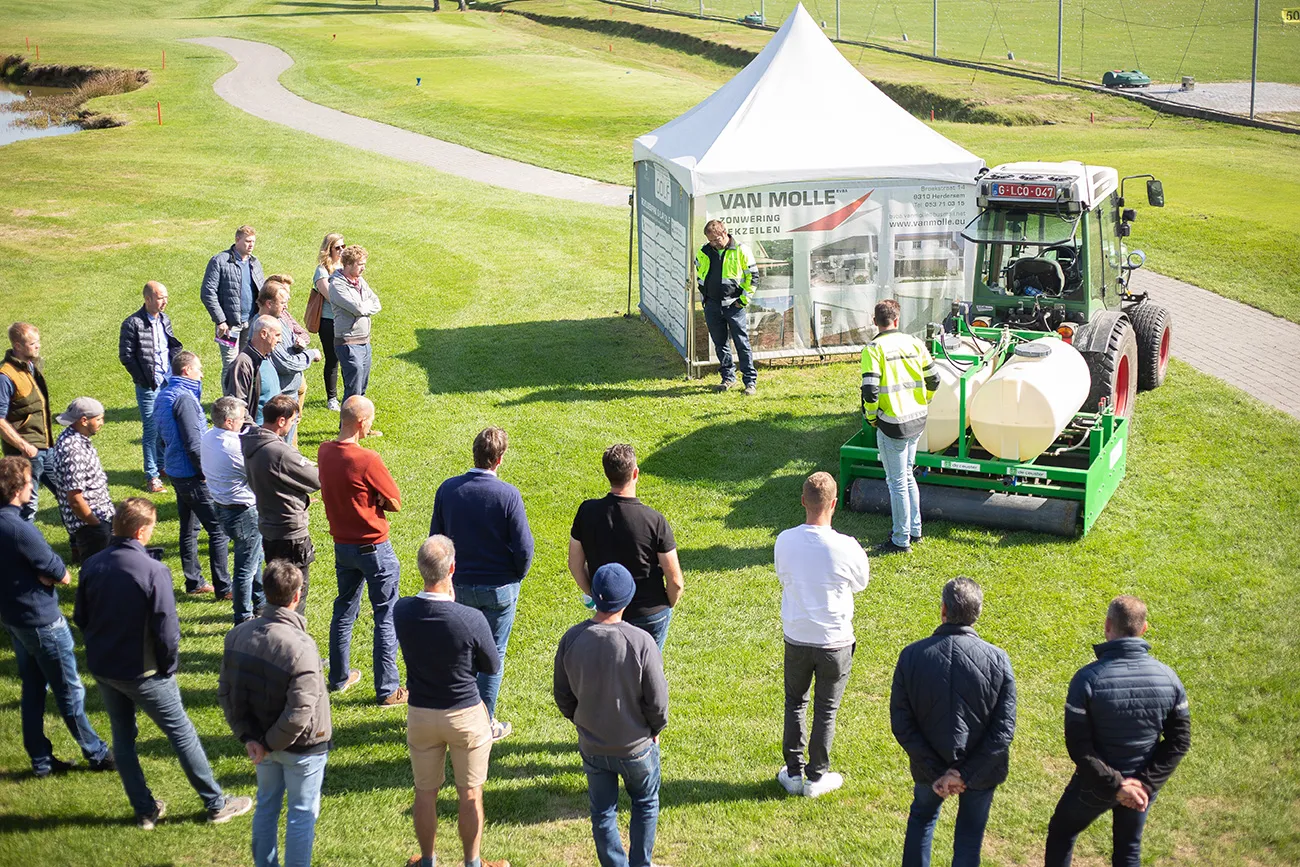
As well as weeds, unwanted grass species and diseases, pests can also compromise the immaculate condition of golf and sports surfaces. On the golf course, Kim Swinnen demonstrated how contractor De Ceuster optimises nematode application.
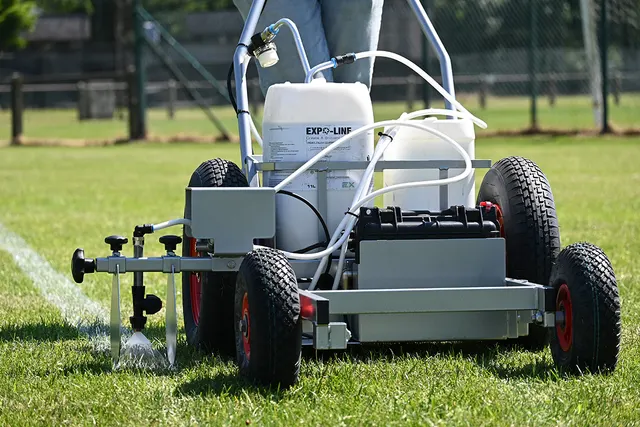
“Nematodes are a well-known biological method for controlling chafer grubs and leatherjackets, but in practice several factors can undermine the success of the treatment. These include exposure to UV light, temperature and the nematodes’ limited mobility. To address these issues, we have developed a machine that first cuts into the turf, then sprays the nematodes across the surface and rinses them in with water, optionally enriched with biostimulants. The aim is to get the nematodes as close as possible to the larvae without damaging them during application, thereby maximising the effectiveness of the treatment.”
Question about this story? Ask your question
Companies in this story

Keep following this
Get an email when a new story is published. No account needed.
- ThemeSports pitches under heavy use
- SubjectSports grounds & golf courses
- CompanyDe Ceuster NV