Maintenance at Royal Limburg Golf is already 98% biological
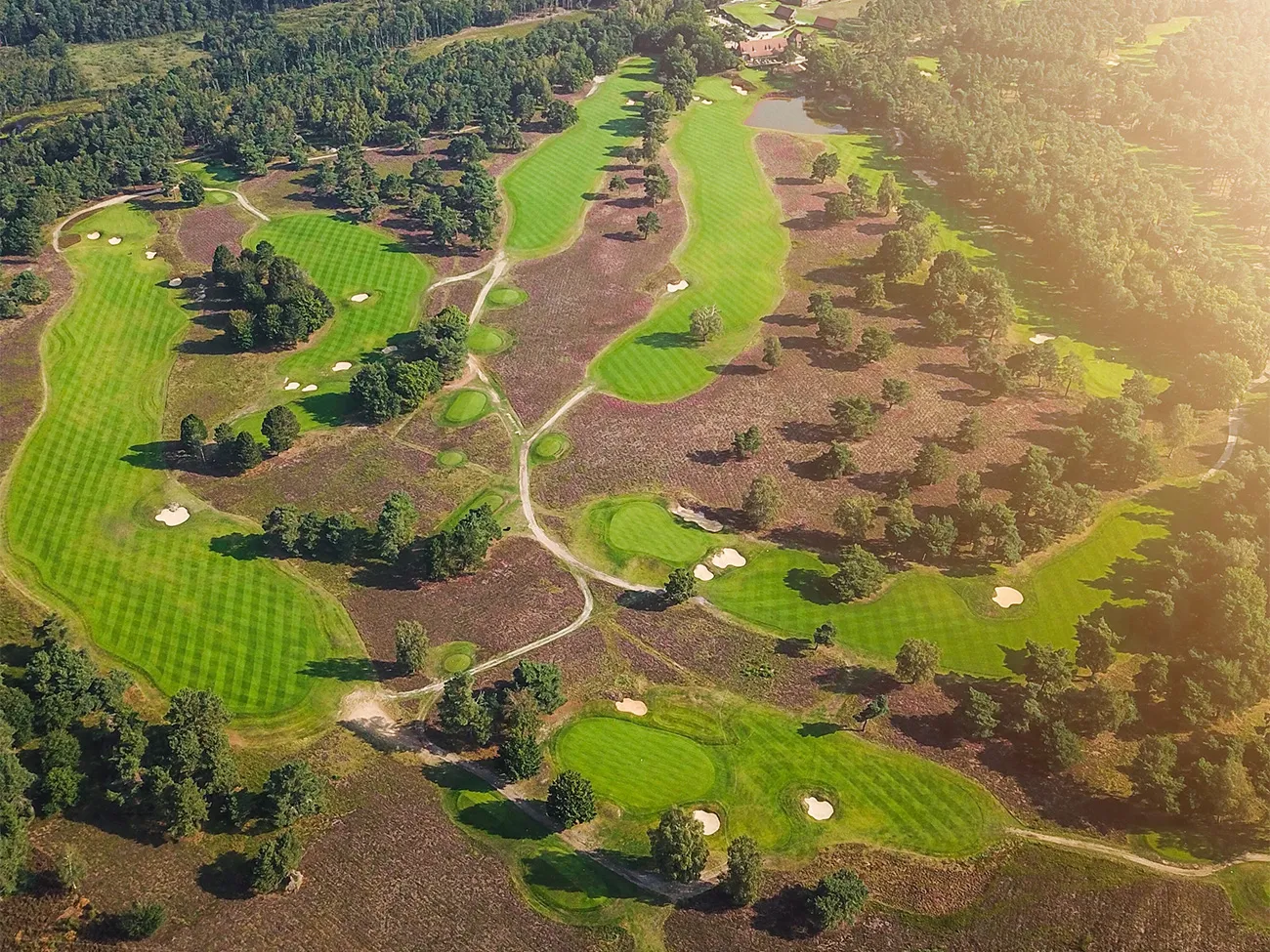
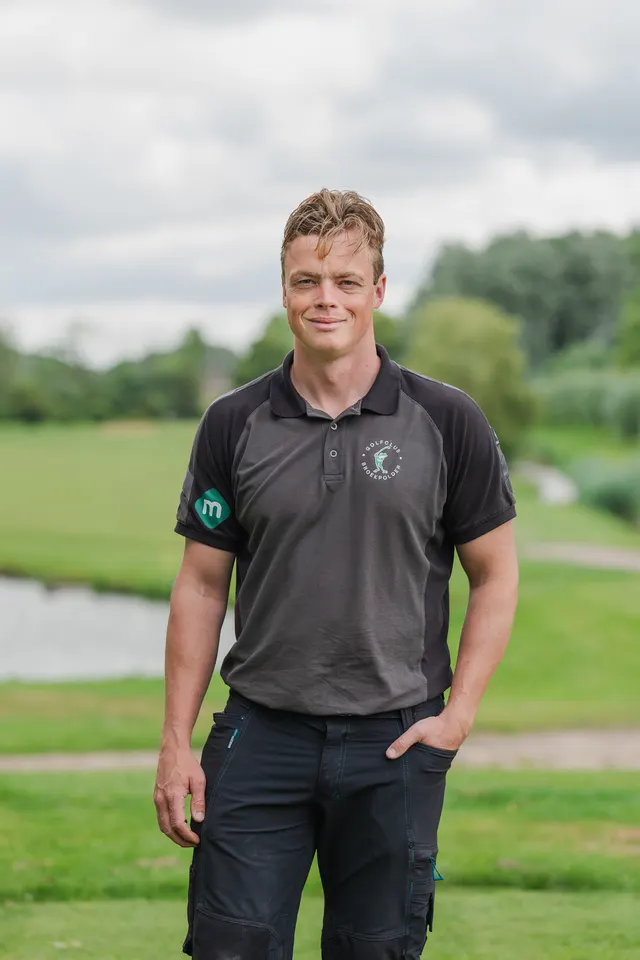
“A completely flawless green is a thing of the past.” Davy Driesen, head greenkeeper at Royal Limburg Golf, leaves no room for doubt. In the current conditions, with climate pressures increasing on the one hand and restrictions on fungicides and other maintenance products on the other, no golf club can guarantee a perfect result. That does not mean, of course, that perfection is no longer the goal.
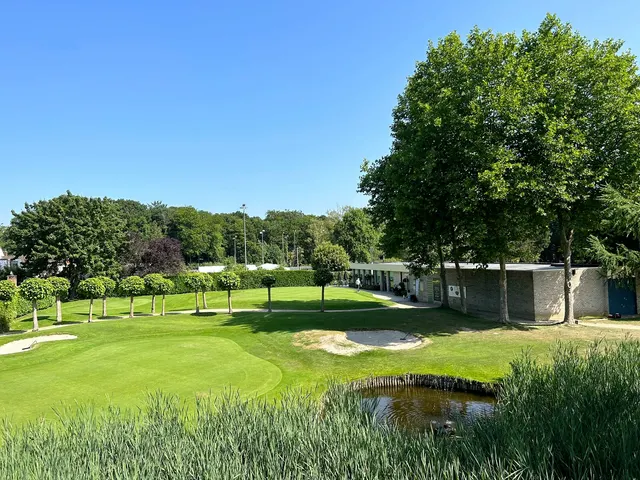
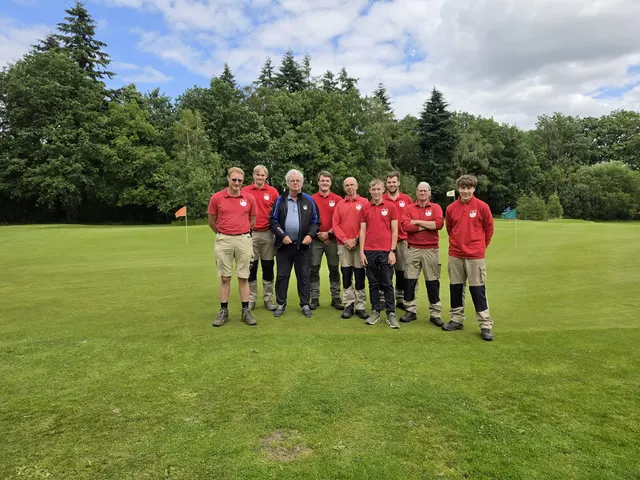
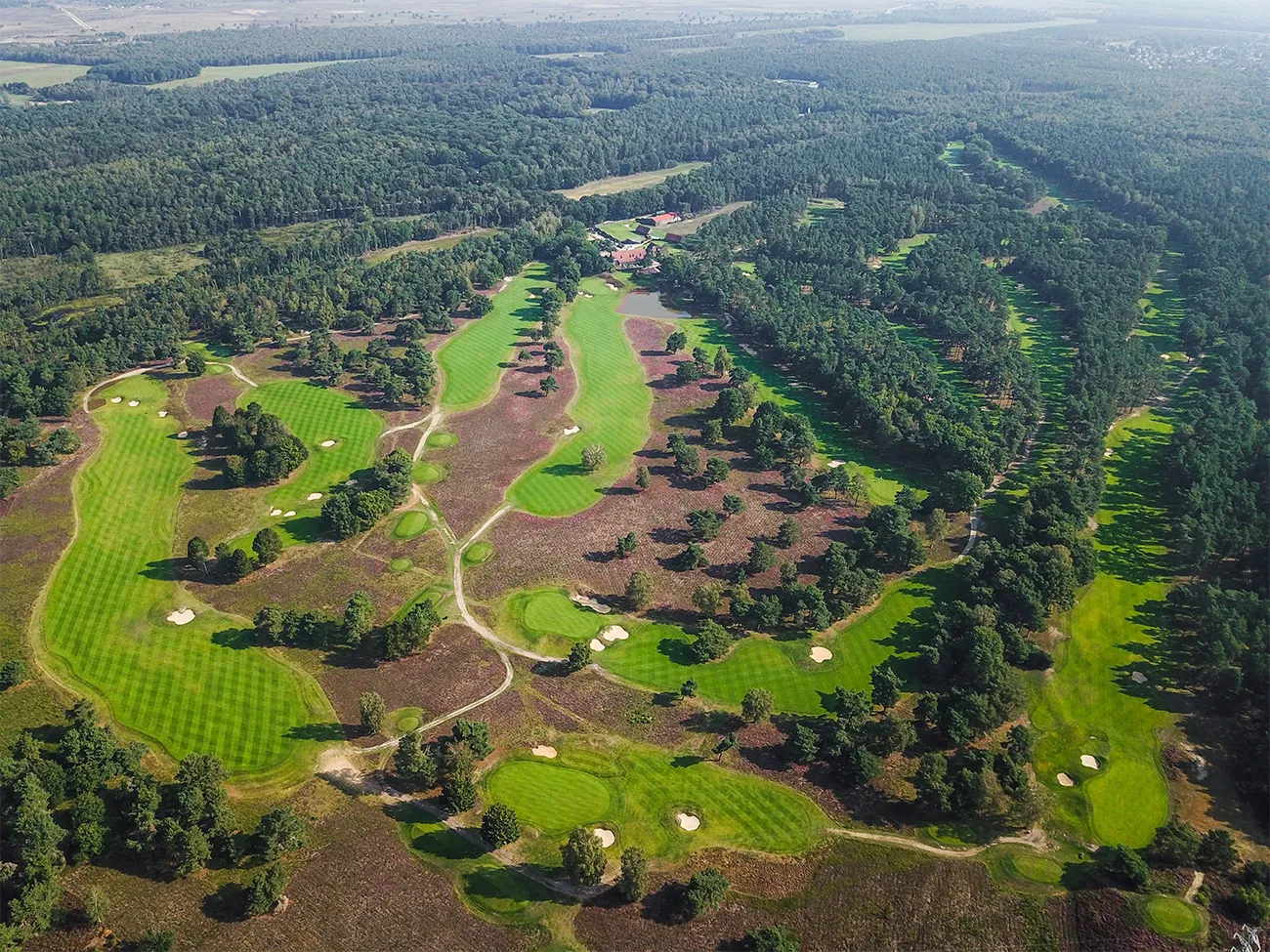
The 18 holes at Royal Limburg Golf cover a total of 65 hectares of woodland and heathland in Houthalen, Limburg. “Seven holes are entirely on the heathland, with the other eleven in the woodland,” says head greenkeeper Davy Driesen, who maintains the course alongside assistant greenkeeper Eric Wuyts and eight other greenkeepers.
Biological maintenance requires consistency
Driesen took over as head greenkeeper from his uncle a few years ago, but had already been working at the club since 2000.
“A lot has changed in those 22 years. In the past, for example, fungicides were used much more readily. That is no longer possible. In recent years, we have therefore gradually moved to a largely biological maintenance programme. Consistency is extremely important for this. You can no longer simply intervene curatively, but have to try to prevent diseases and other problems as much as possible.”
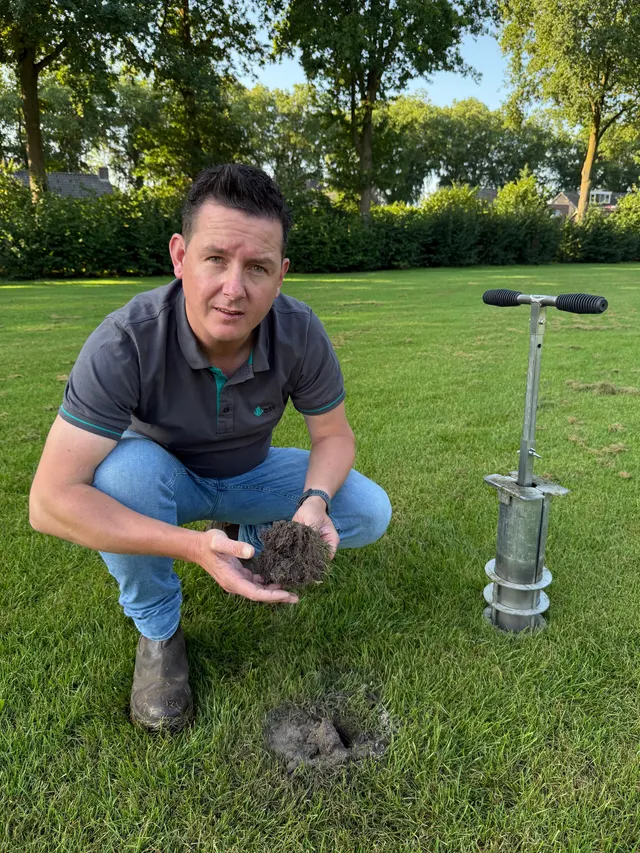
“That doesn’t mean you shouldn’t think things through,” adds Wuyts. “The competition schedule and the weather can both throw a spanner in the works, and of course you also need to keep analysing the course. That is why we always start the day with a visual inspection of the course, and we also regularly take soil samples, for example. Recently, we noticed that the manganese level in the soil was too low. We would not have discovered that without testing, and it would have taken longer to find a solution.”
Thinking long term
However, the transition to biological maintenance did not go entirely smoothly.
Driesen: “Biological products mainly work over the long term. This means the soil has to adapt to them. Although we decided a few years ago to make the transition gradually, there were still periods when the green looked very poor. That is an unavoidable part of the process, and you have to accept it.”
The long-term effects also make choosing products more difficult.
Wuyts: “There is a huge range of biological products, and new ones are added every year. But of course, you cannot assess their effects straight away. We therefore base our product choices on a number of things: government recommendations, our colleagues’ experience, and our own experience on several trial plots on the course.”
Heat poses a greater challenge than drought
Royal Limburg Golf has so far coped well with the dry summers.
“That is partly thanks to a new irrigation system, the use of a good soil improver, and natural products such as lava,” says Driesen. “This means we can keep our water quota in balance for the time being. Heat, on the other hand, is a greater challenge for our fairways and greens, because there is little you can do about scorched areas. The key is to anticipate the heat, particularly by making a considered selection of grass species.”
Manual maintenance
Royal Limburg Golf has an extensive, recently renewed fleet of machinery for mechanical maintenance.
“We have several of each of our main mowing machines, each set to a different cutting height,” says Wuyts. “That way, we don’t have to adjust them every time, but can simply switch machines.”
“The machines are not used in the heathland, apart from mowing once every two years,” Driesen adds. “We have to be careful not to damage the heather plants. This means a lot of manual maintenance, particularly in winter. It is a tough job, certainly, but heathland is one of the defining features of our club.”
Question about this story? Ask your question
Keep following this
Get an email when a new story is published. No account needed.
- SubjectSports grounds & golf courses