Fortuna Sittard invests in the future
Text and images Kris Vandekerckhove
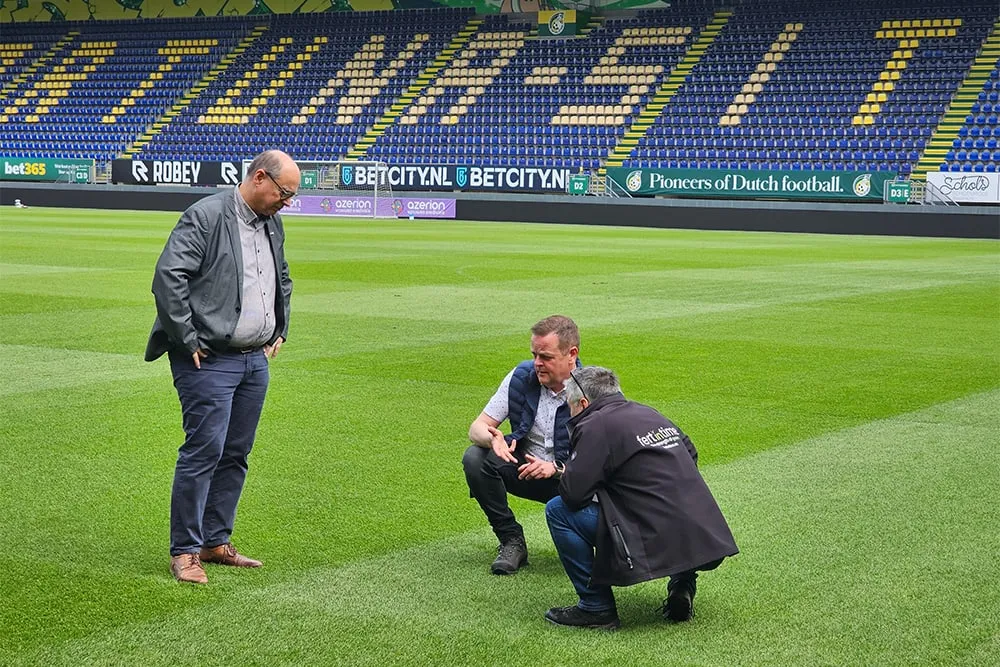
Founded in 1968 following a merger between Sittardia and Fortuna 54, Fortuna Sittard has a rich history. The first professional club based in the Limburg city of Sittard-Geleen enjoyed its heyday in the 1980s and 1990s. In 1982, the team was promoted to the Eredivisie, where it quickly established itself as a solid mid-table side.
After spending several years in the Eerste Divisie, Fortuna Sittard returned to the top tier in the Netherlands in 2022. The club managed to stay in the Eredivisie in the 2023-2024 season and is looking to the future with optimism. There have also been significant changes behind the scenes in recent years, particularly on the pitch, as head groundsman Roy Quadakkers explains.
Focus on soil quality
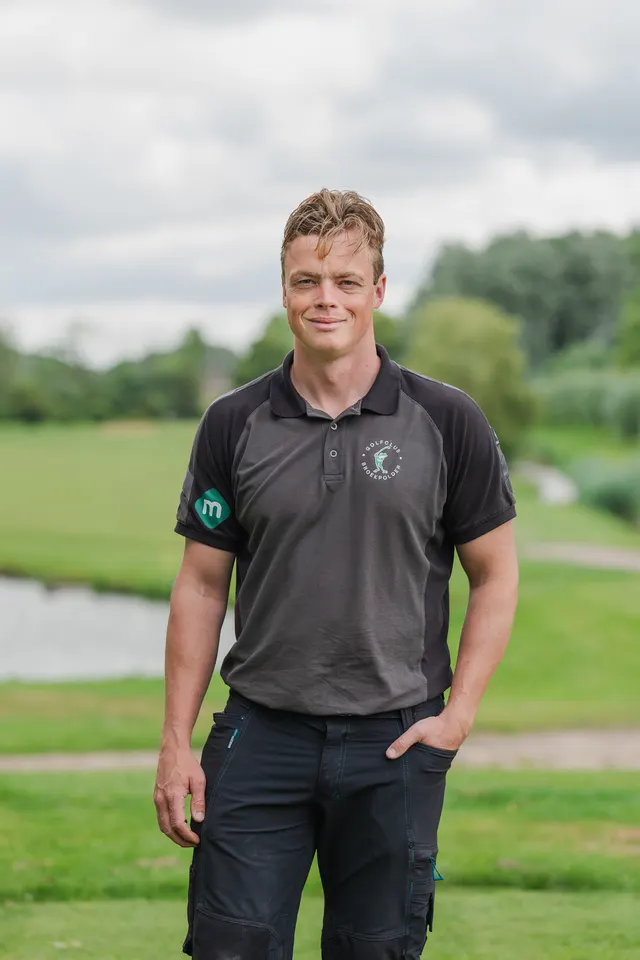
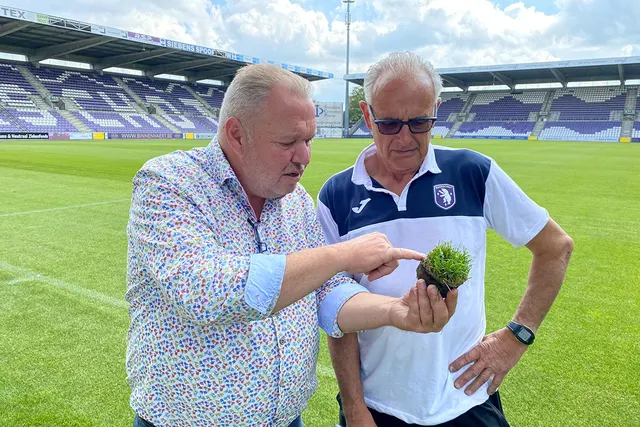
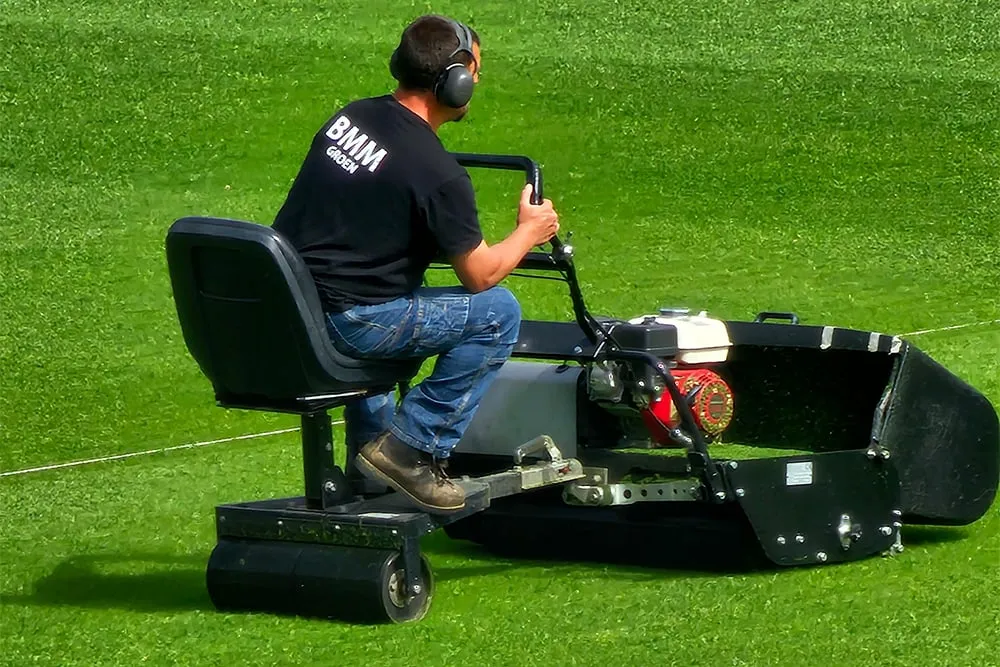
“With a modest team of two, Dennis and myself, we make sure Fortuna Sittard’s four pitches are in perfect condition,” says Roy Quadakkers. “That’s essential, because the first team and women’s team play around forty matches, in addition to training sessions. So the grass has to be able to take a lot of wear. That’s one of the reasons we laid a completely new natural turf pitch in 2023. At the same time, we installed the undersoil heating a little deeper. That will make spiking much easier in future. The drainage also urgently needed a thorough upgrade.”
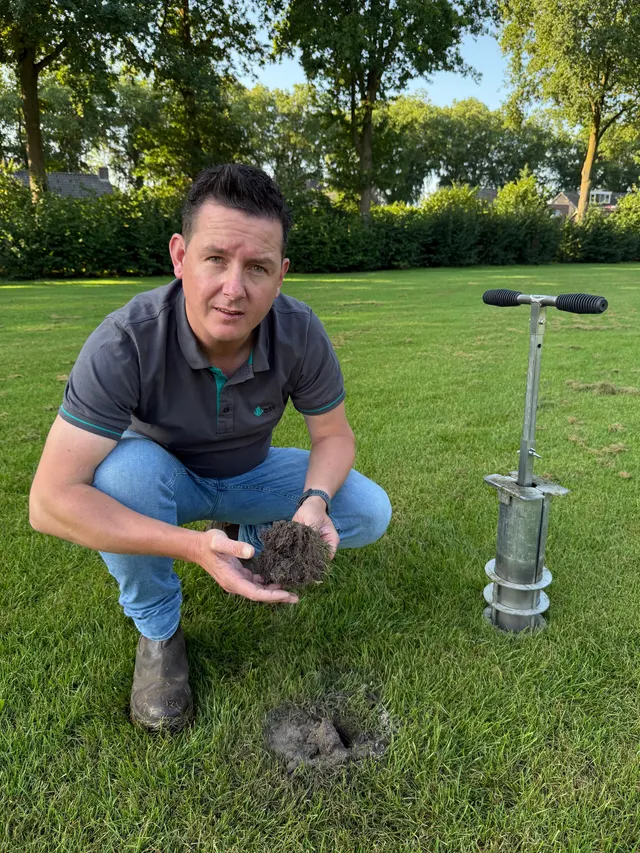
“We relaid the pitch with the help of Algrozo (Ivo Zoons) and Fert In Time (Philippe Debougnoux). Algrozo carried out the actual construction work, while Fert In Time provided advice on the soil profile. This included its structure, subsequent fertilisation and disease prevention, among other things. Soil samples are used to build up a physical, biological and chemical picture of the soil, including its water management. We had a real top team with both companies, of course. Ideal for an ambitious club with a proud tradition like Fortuna Sittard.”
The right work at the right time
“It really comes down to doing the right work at the right time, every day, as a groundsman. And using the right products, such as slow-release fertilisers, to get a beautiful, dense and healthy turf surface. We have a very clear example of just how important it is to combine knowledge of products with practical experience. It happened last year. We always cover our main pitch with a special tarpaulin. But after four days, we pulled it back and saw that a quarter of the pitch had simply disappeared. The young grass on the new pitch was gone. It was caused by Pythium, a fungus that infects plants when they are weakened by ‘unfavourable’ conditions. This means the fungus mainly strikes when plants receive too much water, experience extreme temperatures and/or are under stress. When you know you have to get the pitch back into peak condition in no time, I was glad to have Philippe from Fert In Time on speed dial!”
“I’ve only been here for 2.5 years, but I think we’re definitely doing something right. As you may know, all professional pitches are thoroughly inspected three times a year by SportLabs, on behalf of the Royal Netherlands Football Association (KNVB), and our brand-new natural turf pitch has received a top score of 9 every time. We have every reason to be proud of that,” concludes Roy Quadakkers.
Question about this story? Ask your question
Keep following this
Get an email when a new story is published. No account needed.
- SubjectSports grounds & golf courses