A look behind the scenes with KVC Westerlo’s groundskeepers
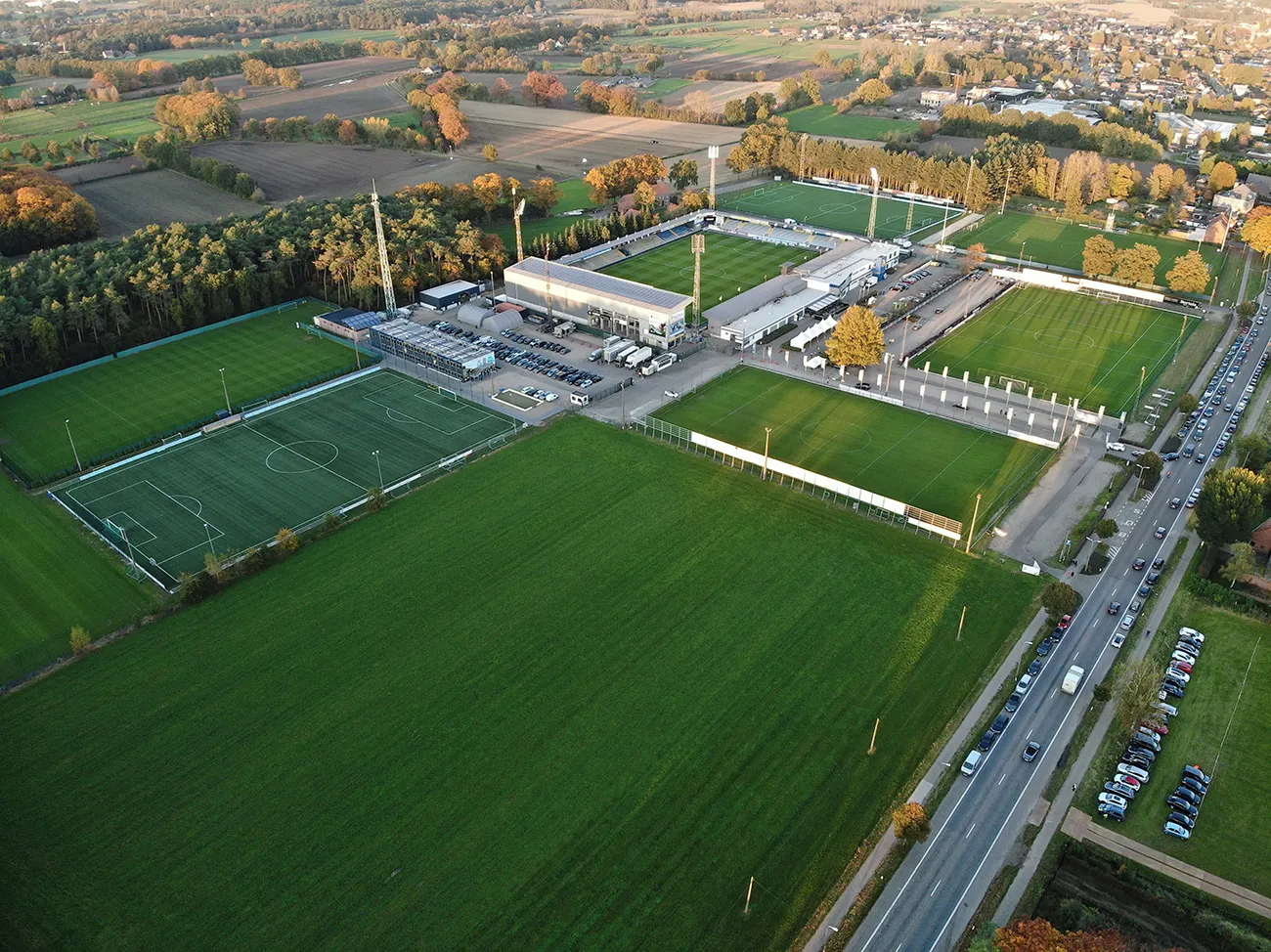
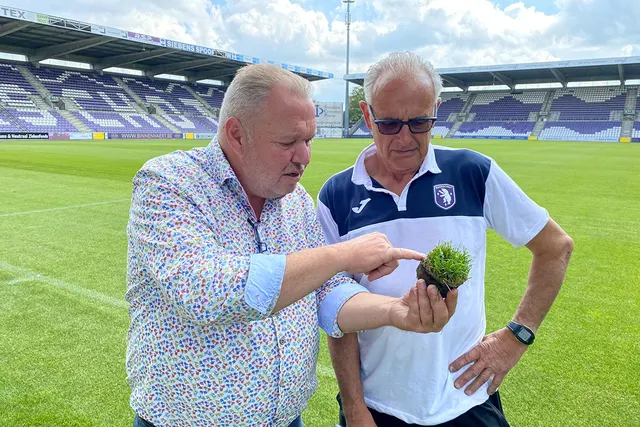
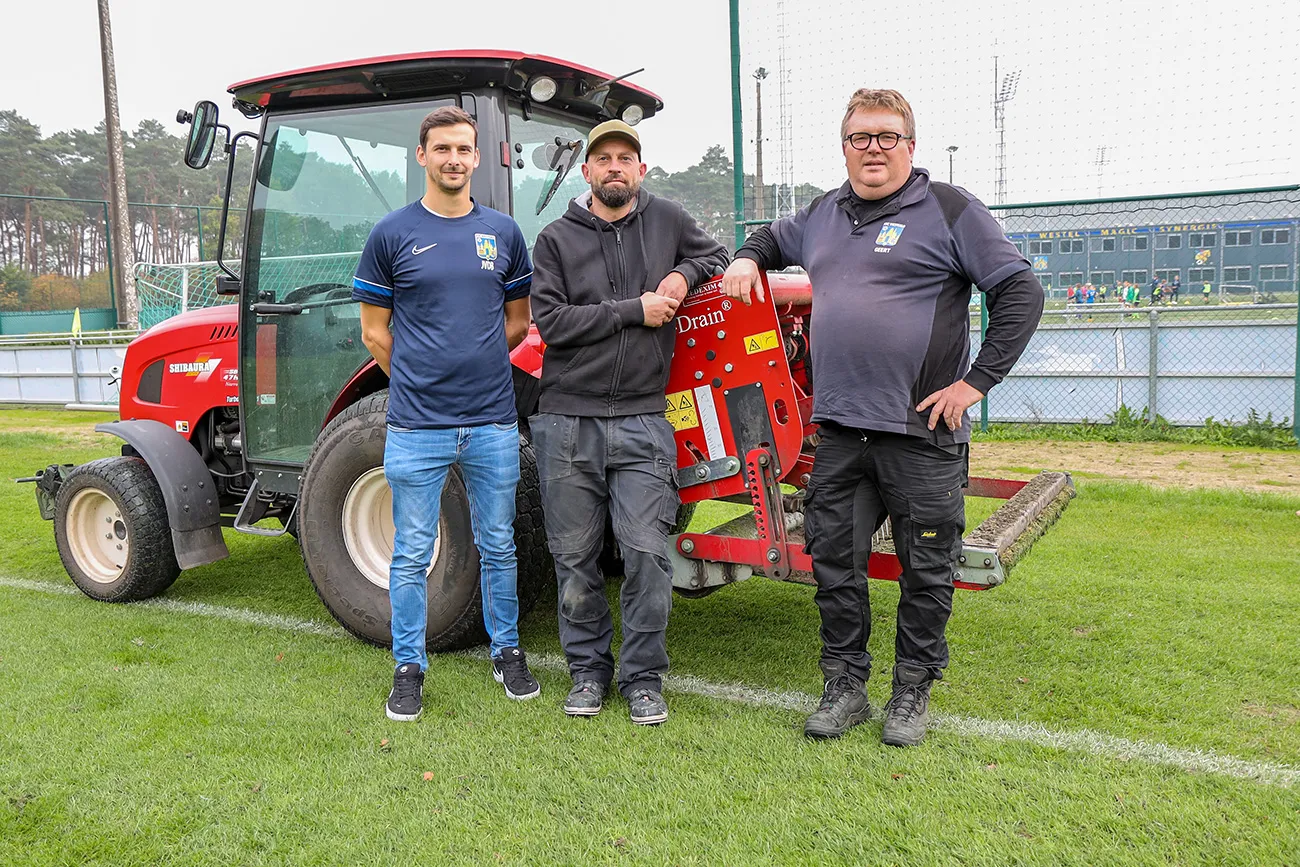
At Westerlo, Geert Segers, together with colleagues Tom Versweyveld and Jens Van Den Broeck, is responsible for the first-team pitch at KVC Westerlo, a top-flight club, as well as the surrounding training, youth and artificial turf pitches. The first team’s fixture schedule is the main factor shaping maintenance of these 8 hectares of natural and artificial turf, and can just as well be described as a central challenge. With home matches taking place at increasingly varied times, the groundskeepers need to be highly flexible.
“KVC Westerlo has six natural grass pitches and two artificial turf pitches,” says Geert Segers. “At most clubs, they are spread across several sites, but in our case everything is at the ’t Kuipje stadium site. That means we have to plan our work around the weather, but we are also especially dependent on the first team’s fixture schedule. So when the team has an away match at the weekend, we focus mainly on fertilising, aerating and rotary cultivating the training pitches, while on the other weekends we turn our attention to the stadium.”
A well-oiled team
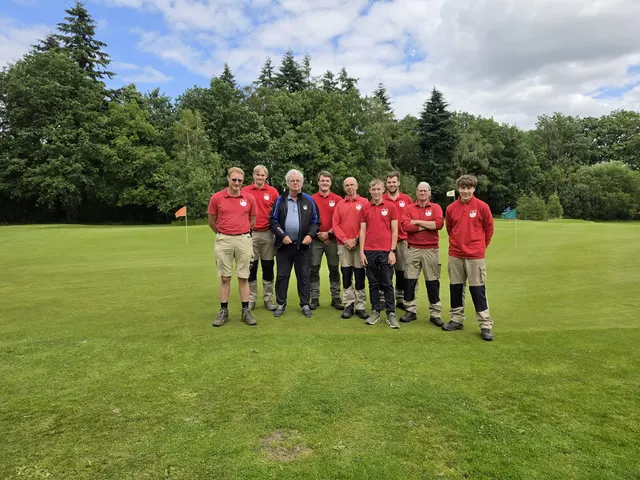
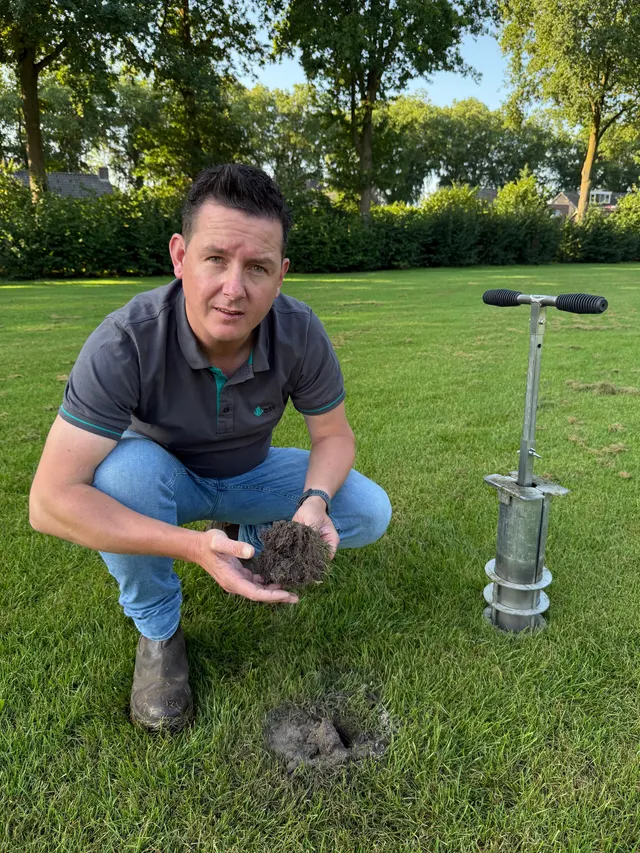
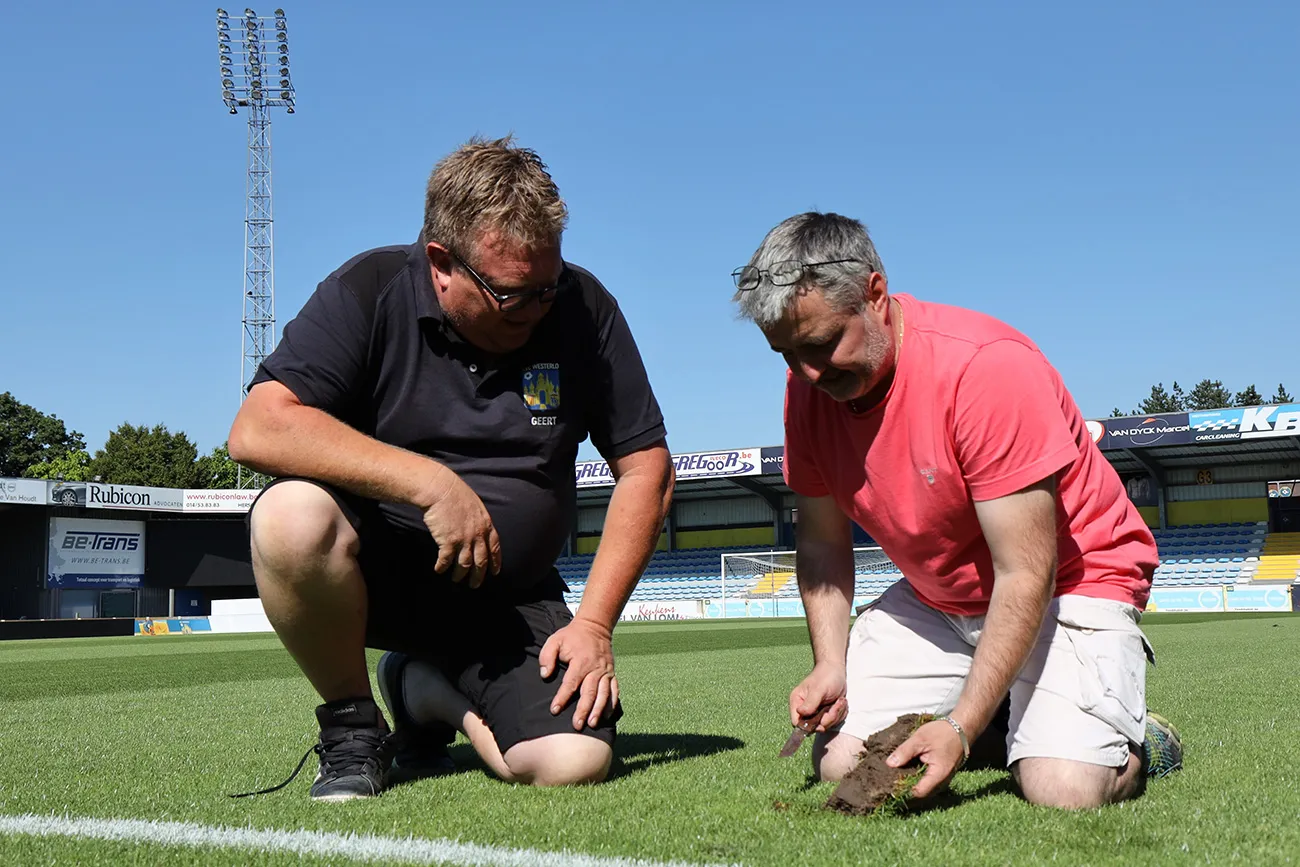
Geert, Tom and Jens are responsible for almost all maintenance and management of the sports pitches. “We’re a well-oiled team. Tom, for example, is a real technical expert and looks after the machinery; Jens used to work in landscaping and oversees the training pitches and mowing; while I monitor grass quality alongside external experts. We only bring in freelancers or students during peak periods.”
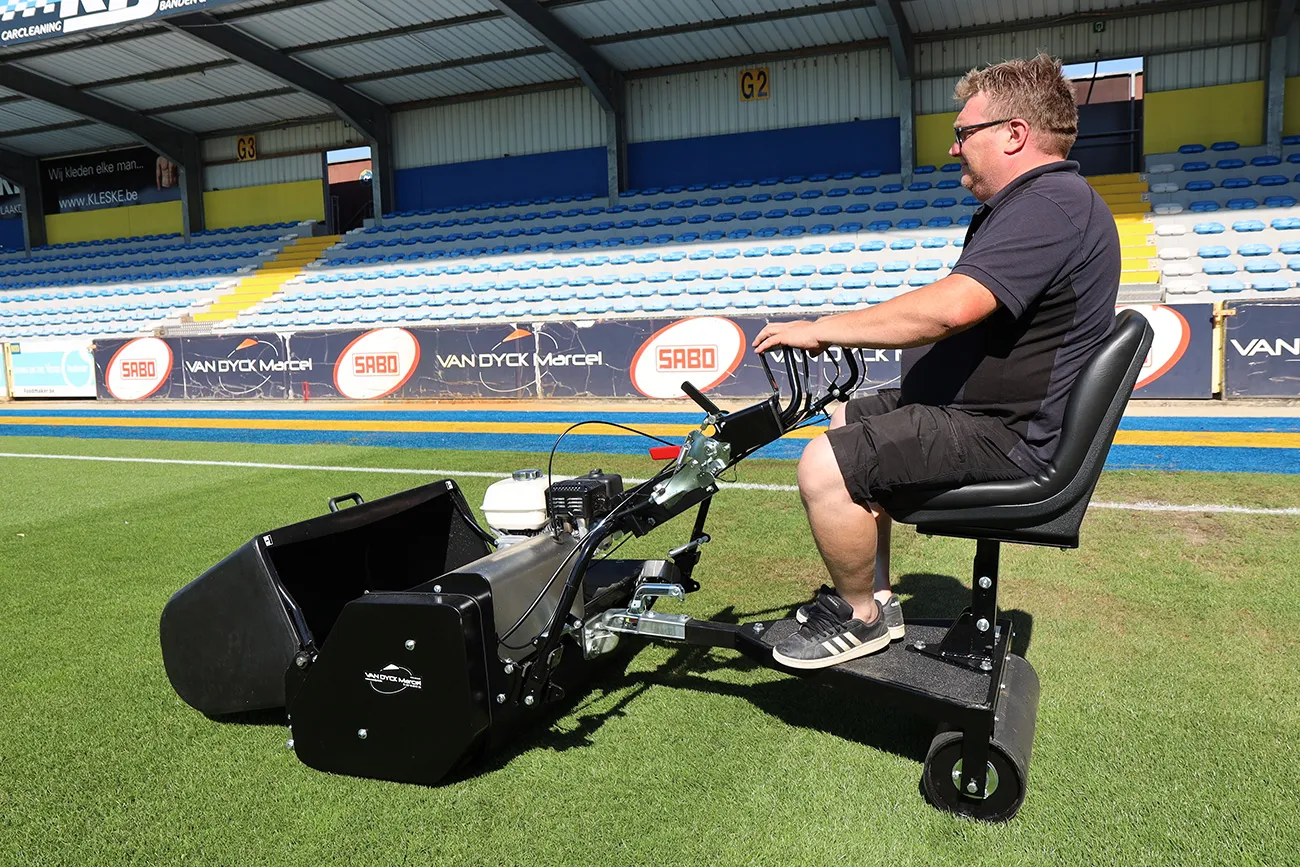
KVC Westerlo is fortunate to count a machinery wholesaler among its sponsors. “That, along with a few targeted purchases of our own, means we have an extensive fleet of machinery. It allows us to respond quickly. If the weather is right for rotary cultivation, for example, we don’t have to arrange a visit from an external contractor, we can get straight to work. We really need that flexibility.”
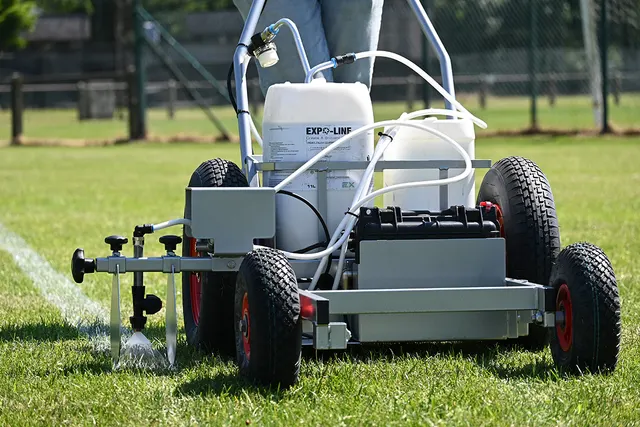
The first task of the day is always the same, though: checking the first-team pitch. “It is still 100% natural grass. ’t Kuipje is probably one of the smallest stadiums in the top flight. As a result, the shaded area is limited compared with the large stadiums. We have also recently invested in grow lights for the shaded area. A club like KVC Westerlo also has fewer matches. Tom and Jens make sure the first team can train in the best possible conditions. In the summer months, that mainly means mowing and marking out the pitch; in the colder winter months, the focus is on recovery. Summer renovation work, including scarifying, topdressing with sand, aerating and overseeding, is carried out by a sports turf contractor, as our machinery is not powerful enough for the job.
Preventive and experimental maintenance
The groundskeepers at KVC Westerlo aim to take a preventive approach in everything they do. “We control weeds mechanically as much as possible. If an unwanted species does appear, we weigh up whether we can tolerate it. We prefer not to use herbicides.”
The team also wants to eliminate fungicides and pesticides completely in the long term. “It’s a long process and perhaps even a utopian goal, but with the range of plant protection products shrinking every year, it is becoming essential. Our first priority is therefore to make conditions unfavourable for diseases and pests. When that doesn’t work, we use natural predators, for example. We have also been experimenting with compost tea since this spring: a tea brewed from worm compost and diluted with a few additives. This is a long-term project, of course, but we’ve already seen some great results.”
A delicate water balance
Managing water on sports pitches is often a balancing act. On the one hand, summers increasingly bring longer heatwaves with little or no rainfall. At the other extreme, winter can bring (too) much rain, which needs to be drained away promptly and effectively. In summer, we manage this by irrigating and using a wetting agent that retains water in the topsoil. In winter, we tackle the problem by aerating, combined with a wetting agent that helps water percolate through the topsoil more quickly. It is also important to develop as much root mass as possible, making the grass more drought-resistant. We try to achieve this by encouraging the grass to search for water. Grass that is over-irrigated becomes lazy and does not seek water in the deeper layers. That is why it is better not to irrigate heavily every day, but to apply a larger amount 2 to 3 times a week. During heatwaves, on the other days we only “sprinkle” the grass to cool it down.
Question about this story? Ask your question
Keep following this
Get an email when a new story is published. No account needed.
- ThemeKeeping golf courses playable all year round
- SubjectSports grounds & golf courses