What is the green sector’s ecological footprint?
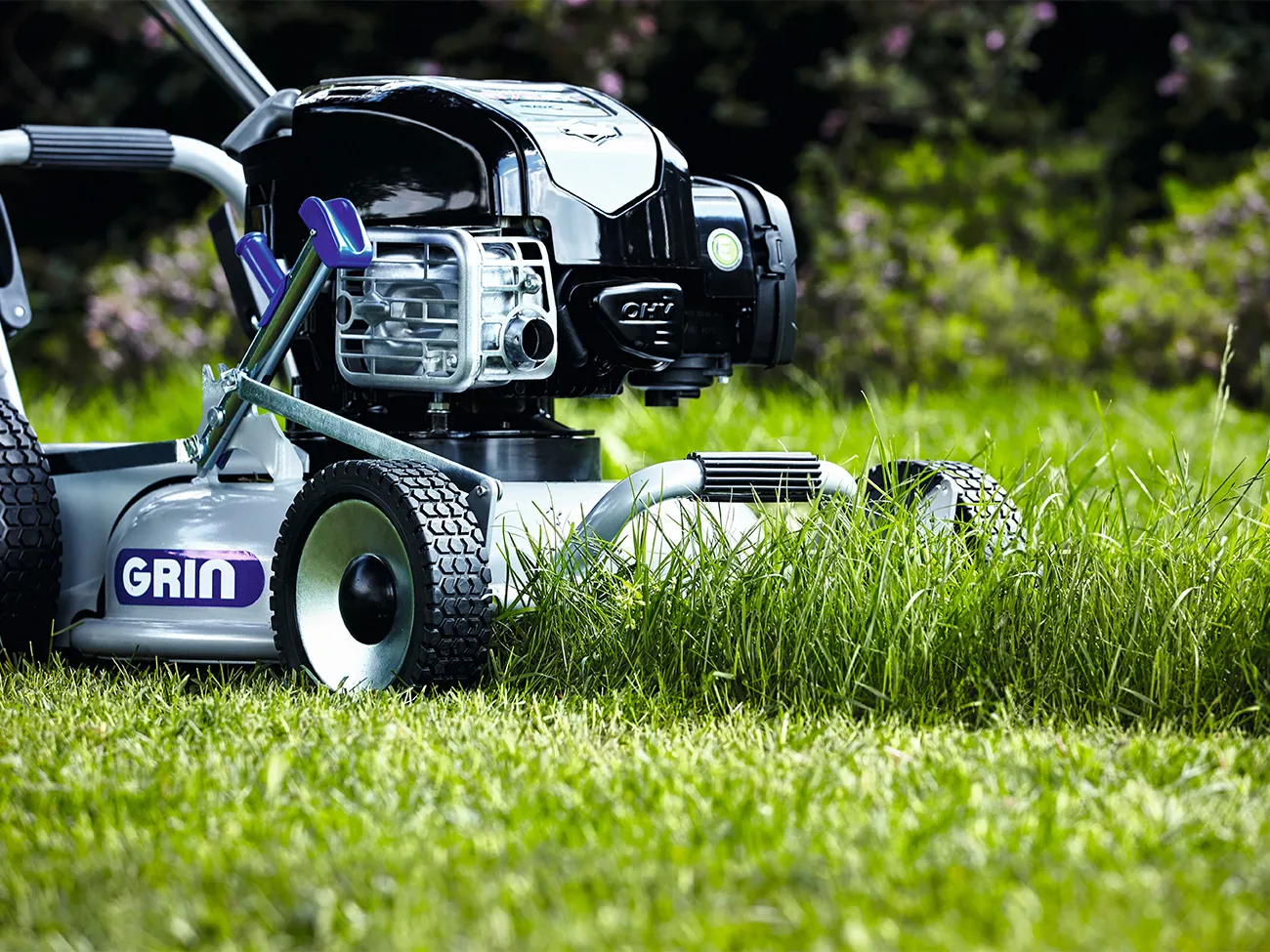
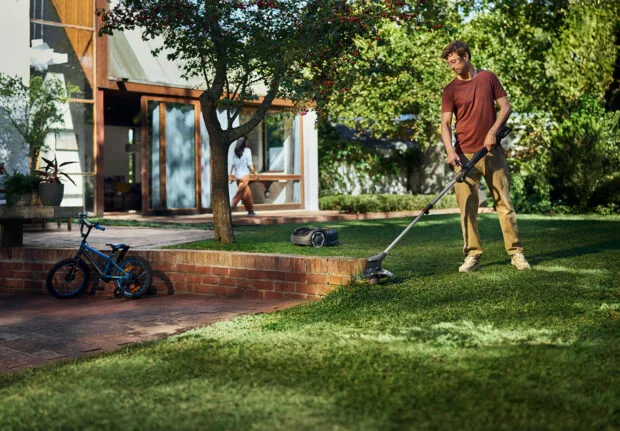
The gardening season is now in full swing. The first hedge trimmers and lawnmowers have been heard again, or perhaps not, as we increasingly opt for electric lawnmowers.
Or even fully automatic robots? Lawnmowers, too, can help to keep our ecological footprint as small as possible. In most cases, the race to match the performance of conventional models is still underway. But the durability of the equipment and the way we mow also play an important part.
Robot mowers versus walk-behind and ride-on mowers
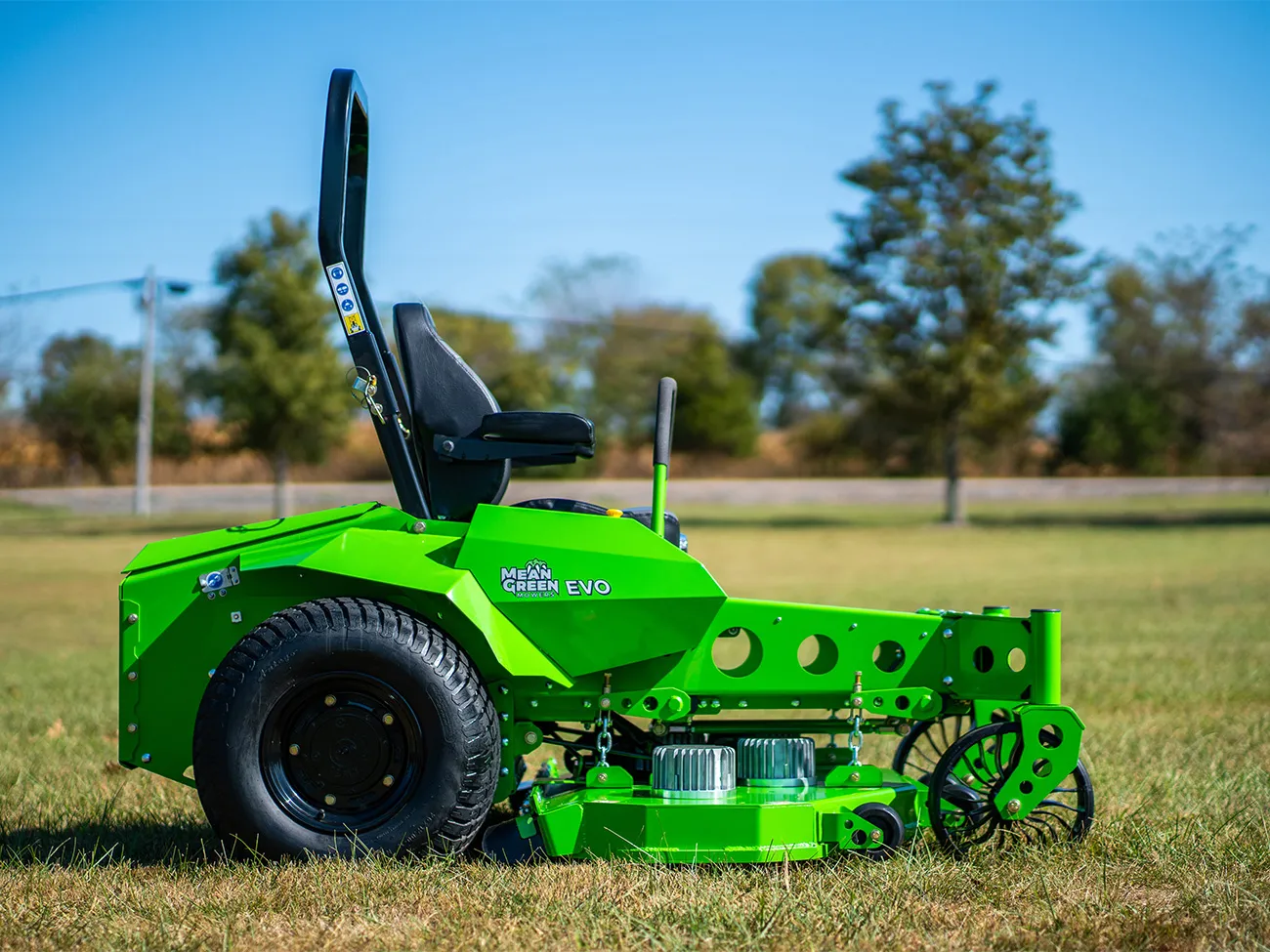
Some swear by the ‘modern’, innovative robot mower, while true purists still refuse to give up their walk-behind or ride-on mowers. Both types have their pros and cons.
The obvious advantage of a robot mower is the time it saves, as it makes its rounds entirely on its own. It also keeps the garden maintained on a regular basis. Some mowers operate for up to 20 hours a day. Rather than cutting the grass all at once, they trim just a few millimetres at a time. For garden owners without green fingers, these mowers are the best thing since sliced bread.
Robot mowers do have some significant drawbacks. If the grass is too long or wet, you can forget it: the mower will keep getting blocked. It also stays safely under cover as soon as its rain sensor detects a drop of rain. It does not mow in efficient patterns either, so a Wimbledon-style lawn is out of the question. Finally, because a robot mower takes much longer to cut the grass down to a uniform height, its blades and other moving parts need replacing more often.
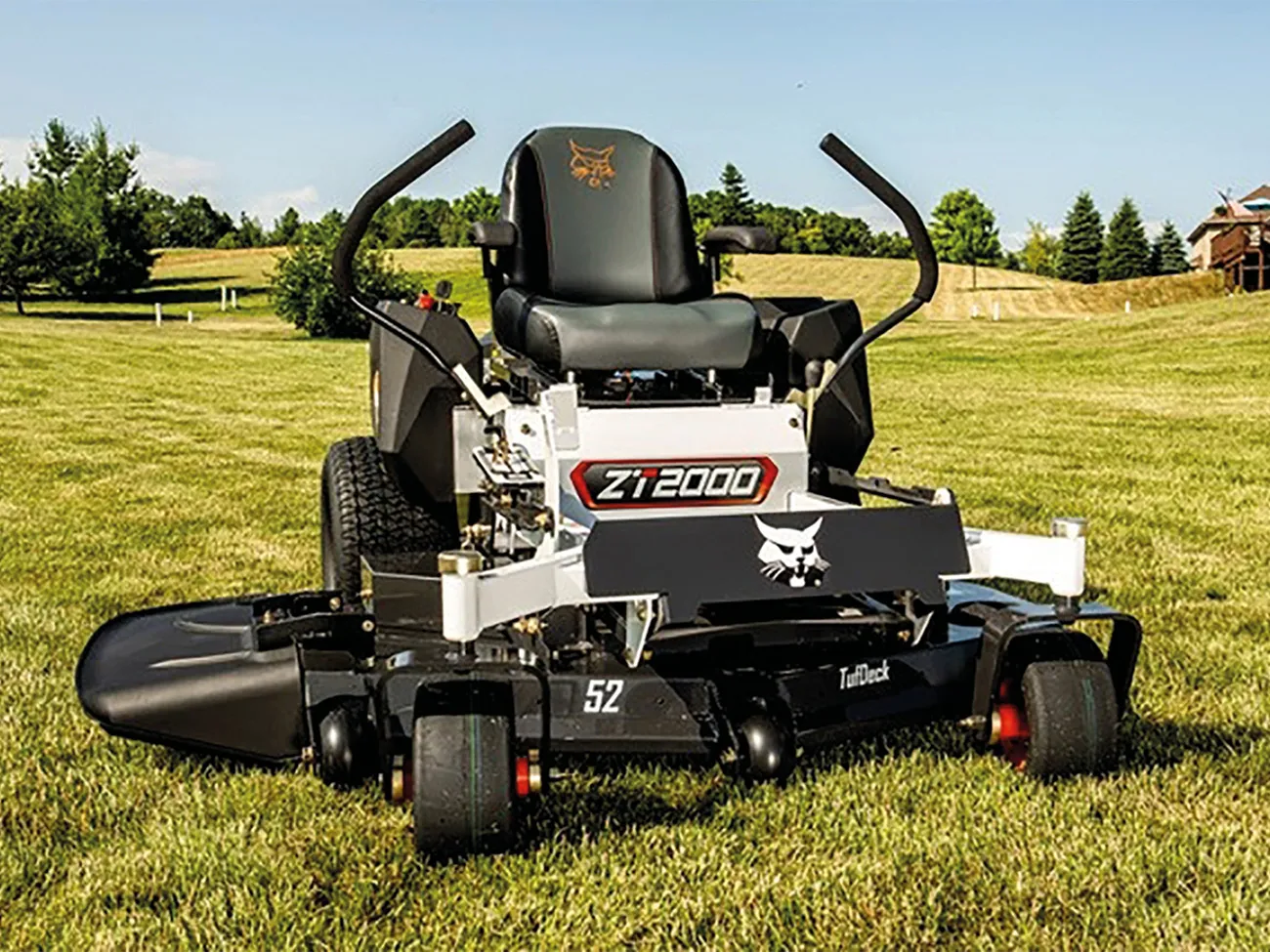
Choose a ride-on mower if you want more control over the appearance of your lawn, particularly the cutting height. But also the mowing lines. Many gardening enthusiasts still swear by straight lines. Quite apart from the fact that consistent mowing lines improve efficiency and therefore extend the mower’s lifespan. In terms of durability, robot mowers last up to four times less long than their walk-behind and ride-on counterparts.
Fuel versus batteries
It is no secret by now that fossil fuels take a heavy toll on the environment and are partly responsible for global warming. Without dwelling too much on the issue or setting supporters against opponents, there is the reality of the market: ‘Green sells’. Over the past year, people have rediscovered the outdoors and want to keep their green spaces in perfect condition, preferably without placing any further burden on the environment. So are battery-powered lawnmowers the answer?
Yes. And no.
Batteries have been making significant strides for years. Some brands now openly advertise that their battery-powered models match, or even outperform, their fuel-powered counterparts, both in power and capacity. There are battery-powered mowers on the market with enough power to handle long, wet grass.
But fossil fuels have evolved too. Diesel in particular is no longer the notorious polluter it was once made out to be. Some models on the market are less harmful to the climate than their lithium-ion counterparts, if you factor in the production process and battery waste. And finally, LPG is also enjoying a real comeback, driven by the American market. The first affordable, high-performance gas-powered mowers are carving out a share of the European market. Clean!
Mowing means cutting grass. Or does it?
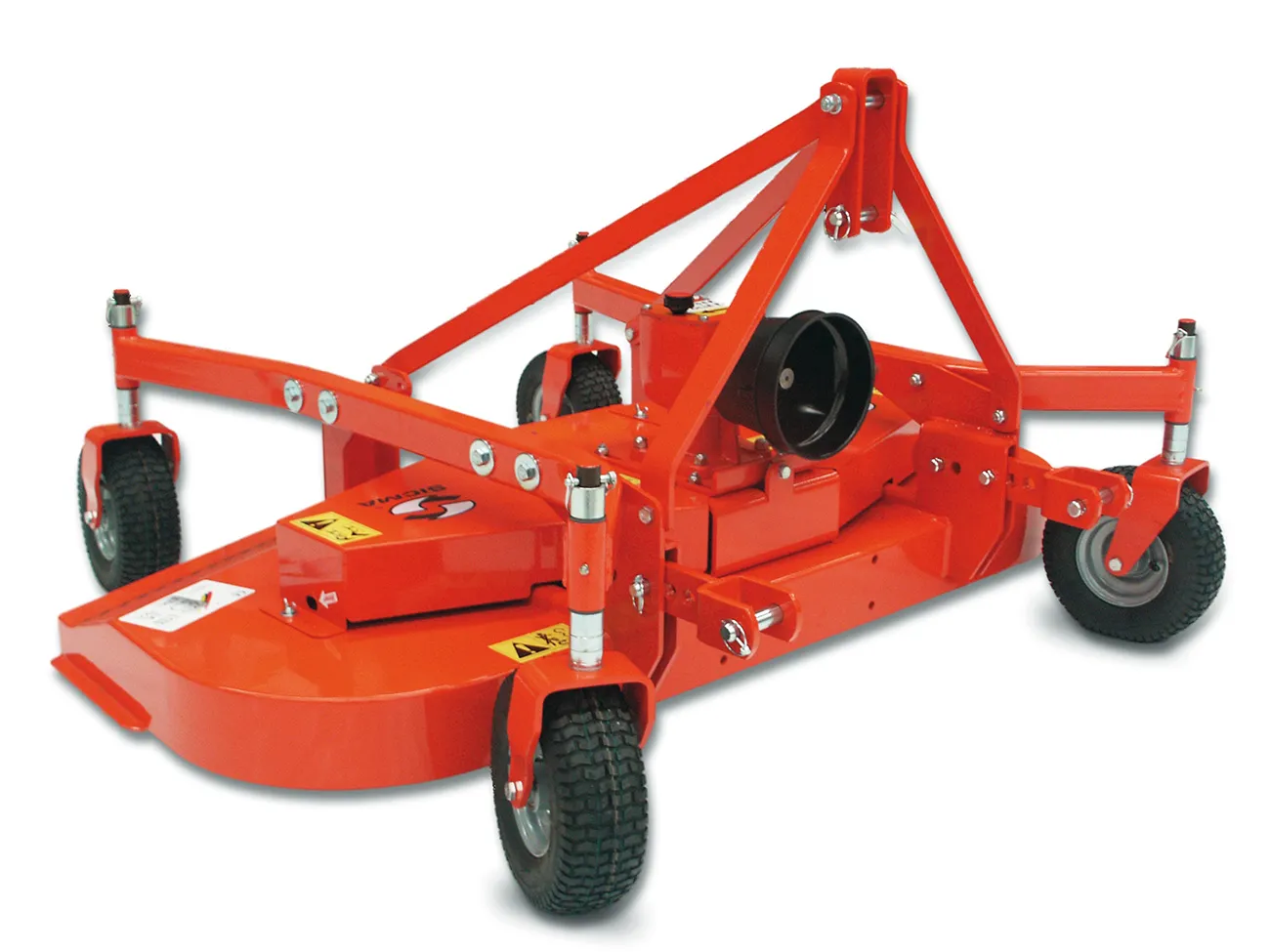
The days of the push reel mower are probably well and truly behind us. Apart from a few baby boomers and vintage enthusiasts, hardly anyone still struggles along pushing a manual lawnmower. Certainly not when entire lawns or golf courses need to be cut to a uniform height. And what do you do with those mountains of grass clippings?
Mulching is one solution. The word ‘mulching’ comes from English. Mulch is a layer of organic material used to cover the soil. Mulching mowers are fitted with blades that finely chop the grass before spreading it over the lawn. This provides effective green fertilisation, with no cost or effort.
Other brands are less convinced by mulching, as grass can take weeks or months to break down. This creates a layer on the grass that prevents water absorption and blocks access to nutrients and sunlight. That is why an alternative was developed that literally turns grass into dust, returning it to the soil as fertiliser.
Whatever technique you use, collecting grass is gradually becoming a thing of the past. No more hauling around collection boxes and bags, and, above all, no more waste!
Question about this story? Ask your question
Keep following this
Get an email when a new story is published. No account needed.
- ThemeMachinery for professional grounds maintenance
- SubjectProduct information