The green credentials of artificial grass
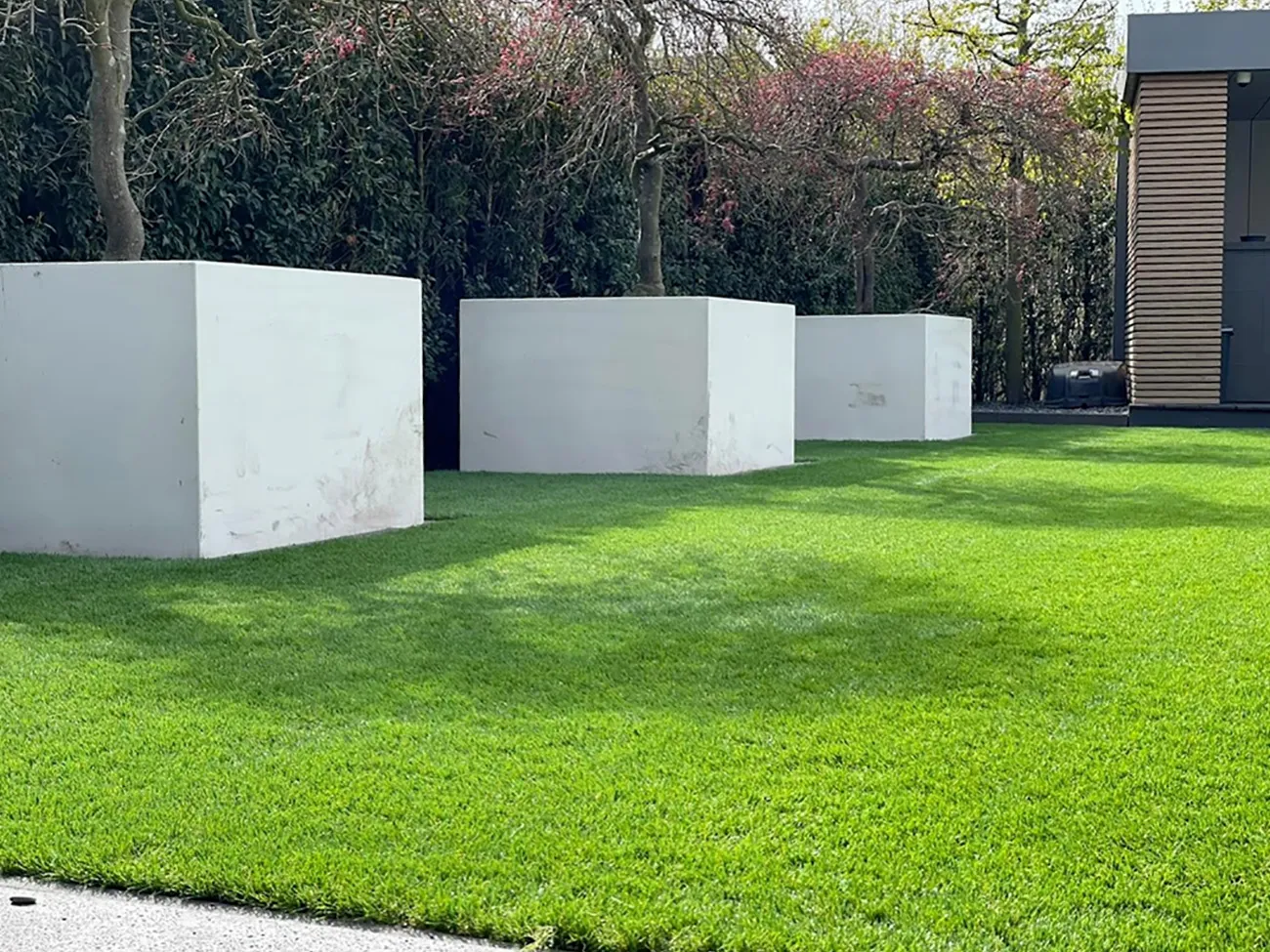
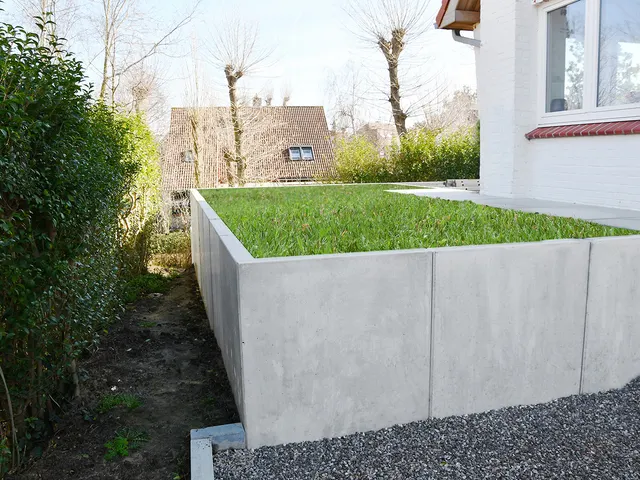
Anyone who still associates artificial grass with an unnatural-looking, environmentally unfriendly pile of plastic is missing the point. Constant advances in design, materials, production and installation methods have made the difference between artificial and natural grass increasingly difficult to spot. Did you know, for example, that an artificial grass installation can remove CO₂ from the atmosphere?
According to Bob Slenders of EasyLawn, a new generation of artificial grass has emerged. “At first, the focus was on achieving a natural appearance. By using fibres of different heights, shapes and colours, we began to replicate the imperfect character of a traditional lawn. Today, however, we are also taking further steps to improve the environmental credentials of artificial grass.”
Choice of materials
The fact that artificial grass is largely maintenance-free and requires no fertilisers or pesticides is one aspect of its sustainability. However, the greatest gains can be made through the choice of materials.
“We already consistently use a polyurethane-based backing in our products,” explains Slenders. “This helps make the product highly recyclable. In addition, from 2022 we will be entering into an important partnership with a company specialising in artificial grass recycling. Together, we will recycle 100% of our products.”
The recovered plastic fibres will then be used to manufacture garden and construction products, which will in turn be added to the EasyLawn range. “In other words, our customers will be able to use these products again when installing new projects. This closes the loop and takes us further towards a fully circular product life cycle.”
CO2 reduction
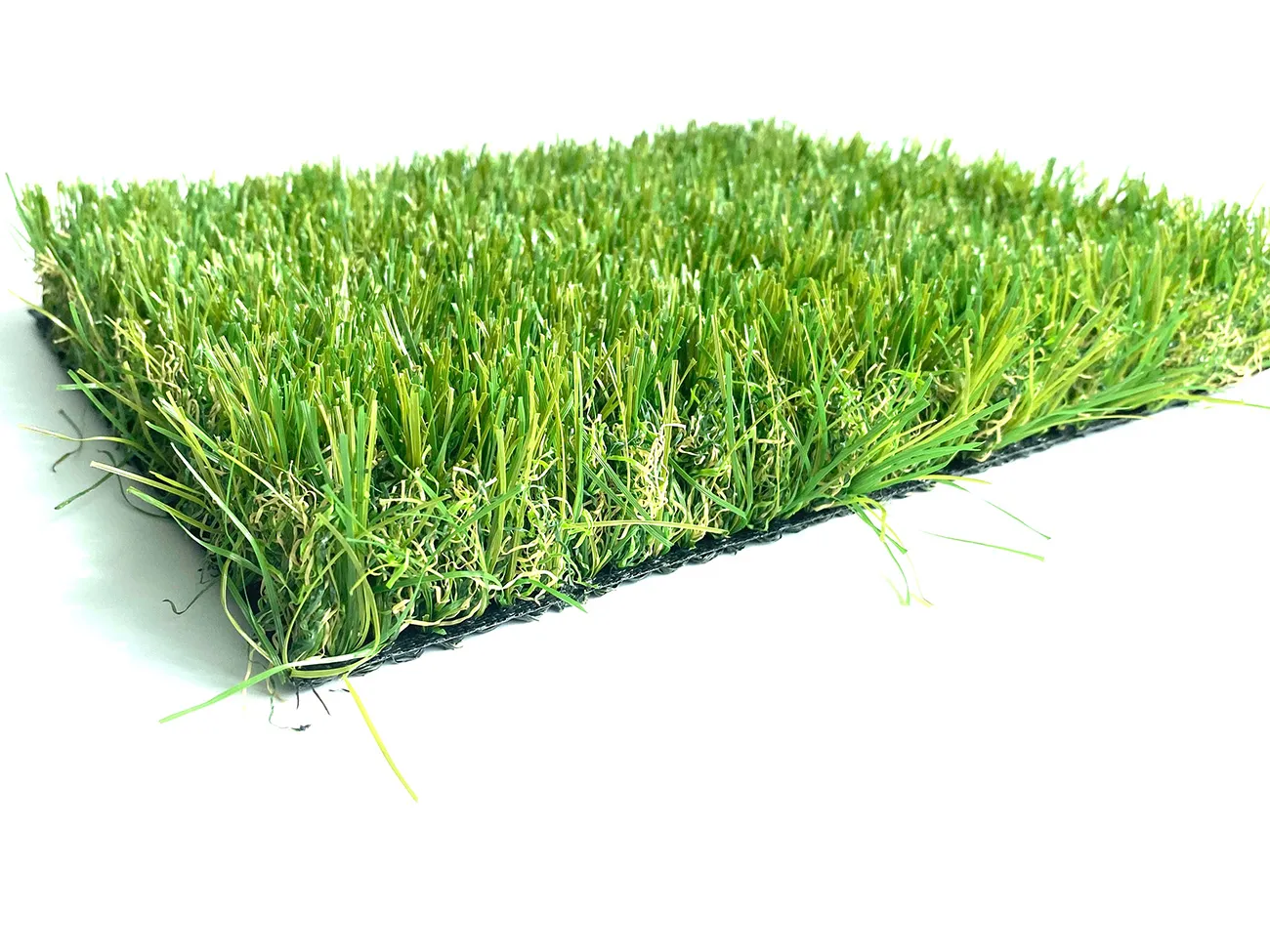
We now all know that natural elements such as trees, plants and grass are essential for removing CO2 from the air. One striking development is that artificial grass can now also help in this regard. “When installing an artificial lawn, we are increasingly using infill sand made from Olivine,” says Slenders. “It is an exceptional product that can capture up to 120% of its own weight in CO2. It is no wonder, then, that it is gaining in popularity.”
Partnership
Professionals who want to find out more about the sustainability ambitions and initiatives in the artificial grass sector, as well as its technical and visual possibilities, can always contact EasyLawn.
“We are committed to providing garden contractors and garden centres with the best possible support,” Slenders stresses. “As well as our comprehensive range, short lead times and the necessary guarantees, we are always on hand with additional explanations and information, promotional materials and so on. Alongside attractive grass, a circular product and reduced CO2 emissions, customer service is also one of our fortes.”
Question about this story? Ask your question
Keep following this
Get an email when a new story is published. No account needed.
- ThemeChoosing between natural and artificial turf
- SubjectProduct information