Green and blue potential in the city
The need for a creative, integrated approach
Five dry, hot summers and two years of the pandemic have highlighted the importance of urban green space more than ever. Plants and trees make cities more liveable, reduce the urban heat island effect, and contribute to biodiversity and climate resilience. But where can we find space for greenery in densely built-up Flanders, and how can we maintain it sustainably? Ecoworks is working with architects, property developers, cities and municipalities to deliver a creative, comprehensive approach.
Ecoworks is a specialist partner in the design, construction and maintenance of swimming ponds, green roofs and green façades, with a clear mission: to reintegrate nature into our living environment.
“But if we look only at open spaces, we miss a great many opportunities,” says managing director John Kinnen. “Space is extremely limited in Flanders. We need to create biodiversity in places where it has previously been displaced. Removing hard surfaces is certainly a good thing in this respect, but there is still considerable potential in, on and around our buildings.”
Green at every level
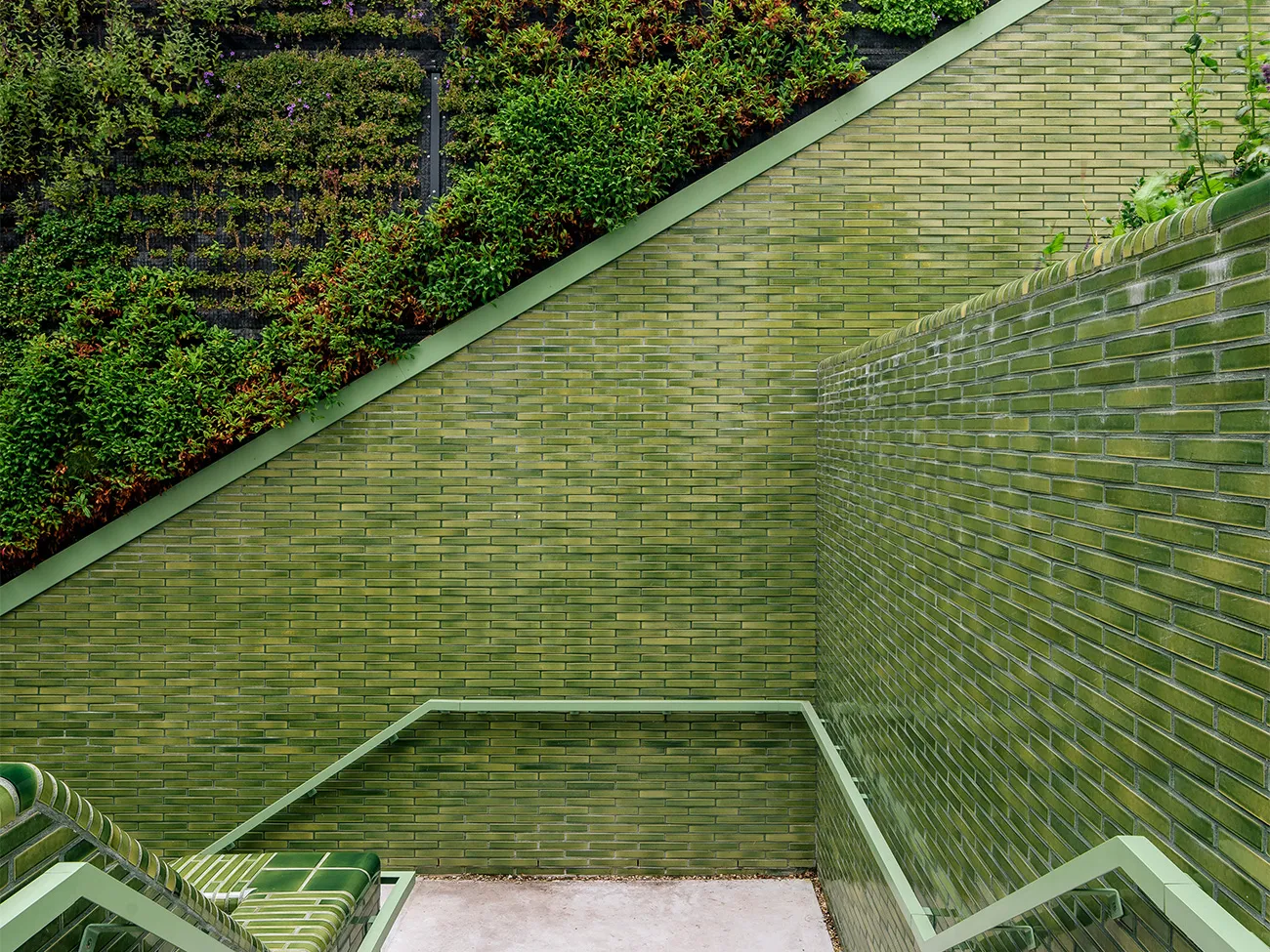
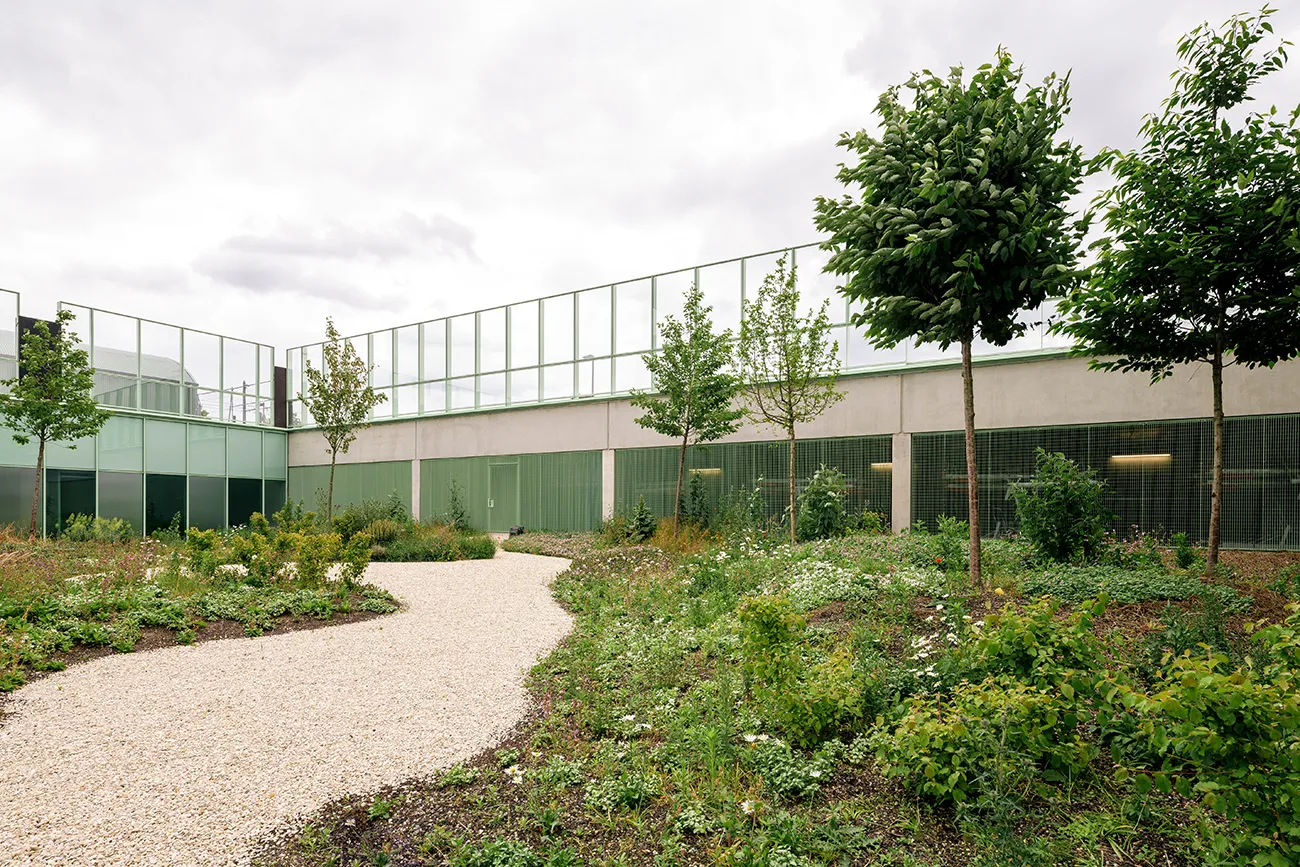
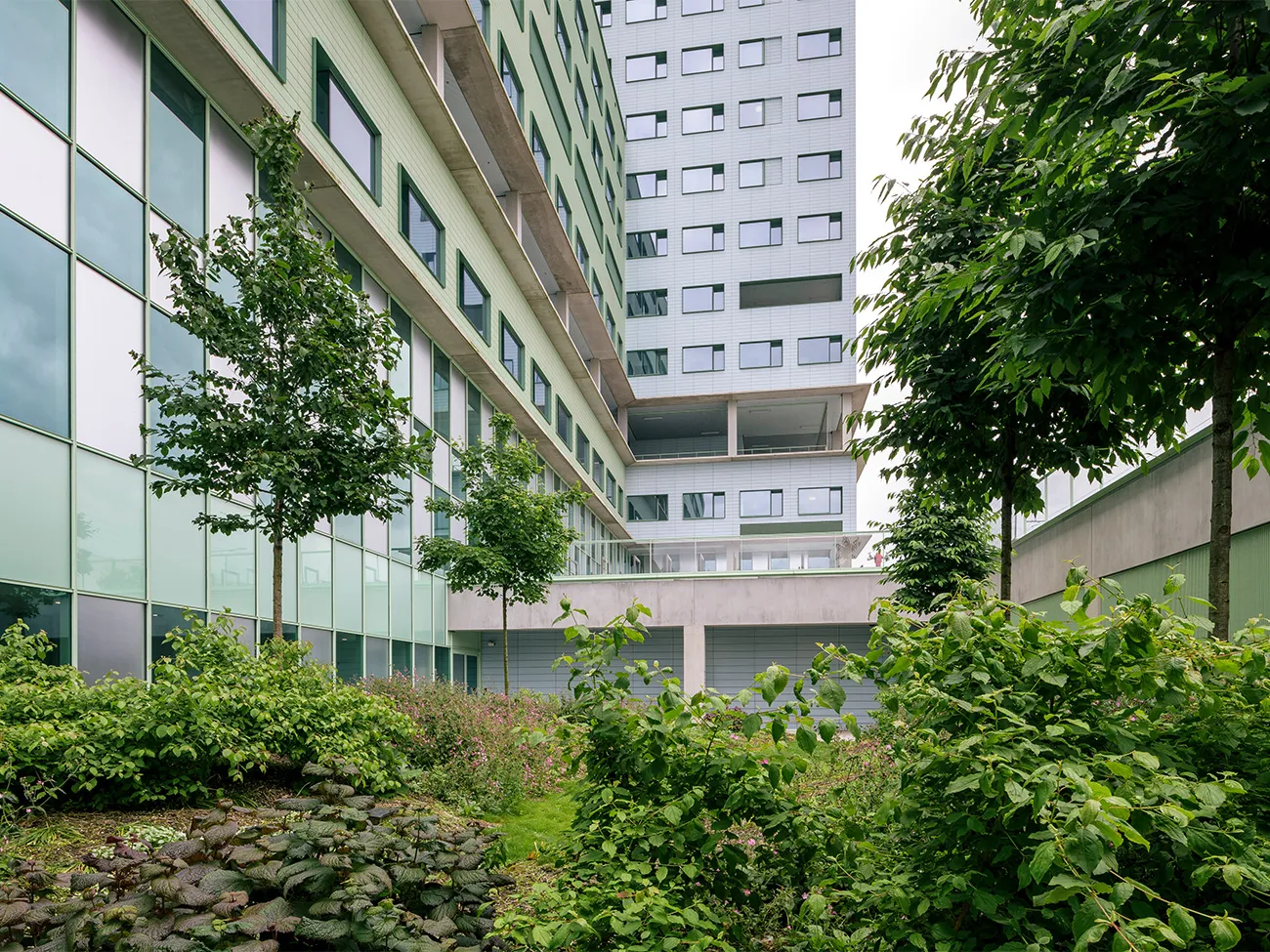
Ecoworks is responsible, among other things, for the green façade on the new Renson building along the E17 in Deinze. But the project that best embodies the company’s ambitions is the ZIN in No(o)rd architectural project, which will convert and extend the WTC towers in Brussels North to create offices, apartments and a hotel.
“For this project, we will not only provide a huge amount of office planting, but will also, so to speak, plant a vertical forest of 300 trees against the tower. The ground floor will be turned into a large public greenhouse, while the 29th floor will feature a fully-fledged roof garden that will also be open to the public.”
A green-blue balance
Kinnen stresses the importance of getting the design right if all that greenery in, on and around buildings is to be maintained.
“There is no point investing heavily in planting if you have not thought carefully enough about how to sustain it over the longer term. That means paying particular attention to water and light. That is why we take as integrated an approach as possible to our projects. When we design a green roof or green façade, we also provide smart water storage and a tailored irrigation plan. At Renson, for example, the green façade is irrigated with locally stored rainwater.”
In other words, the more greenery we introduce into cities, the more important good water management becomes.
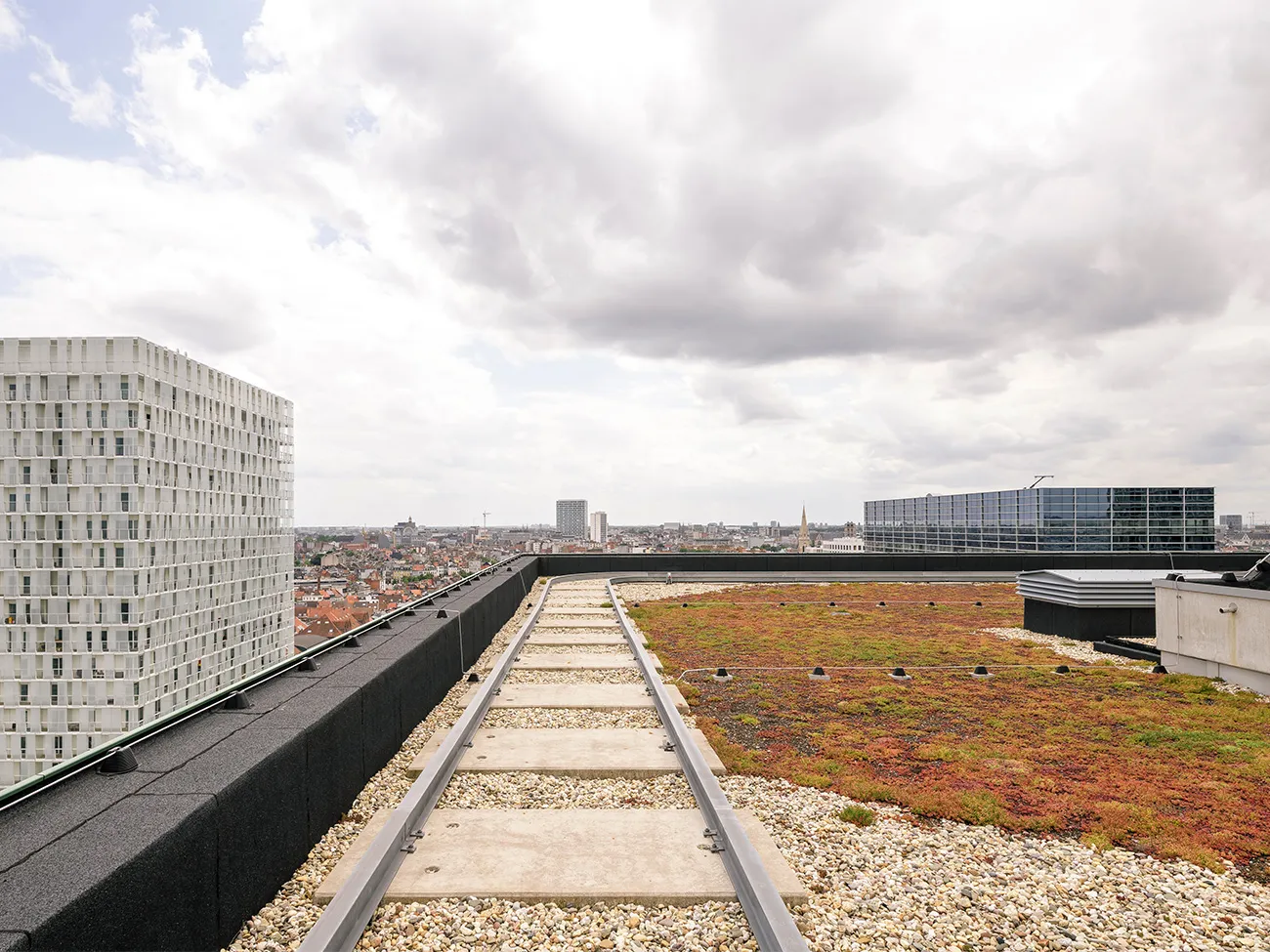
“In this respect, our cities have made a mistake in the past. Everything is geared towards getting water away as quickly as possible, through combined sewers. When in fact we should retain and slow it down as much as possible. The good thing is that green spaces themselves can play an important role in this. Green roofs, for example, provide excellent water storage. So, by designing urban green space well, you contribute to both biodiversity and climate resilience.”
More blue in our streets
Green and blue are inextricably linked, Kinnen concludes, although much more will undoubtedly be needed to balance water management in our cities and municipalities.
“But that need not be a burden at all. Swimming ponds, for example, are a natural way to integrate water into our society. They not only provide extra water storage capacity, but also contribute to biodiversity, cooling, enjoyment and the appeal of a place.”
According to Kinnen, the project to convert the pond in Park van Neerpede in Anderlecht into a public swimming pond is a fine illustration of the potential. Ecoworks is also currently exploring the possibilities in Sint-Truiden, Aarschot and Kortrijk. “Ultimately, our dream is to have a public natural swimming pond in every village centre,” he says.
Question about this story? Ask your question
Keep following this
Get an email when a new story is published. No account needed.
- SubjectProduct information