Essential tips from a professional: How to create a mass planting of rhododendrons
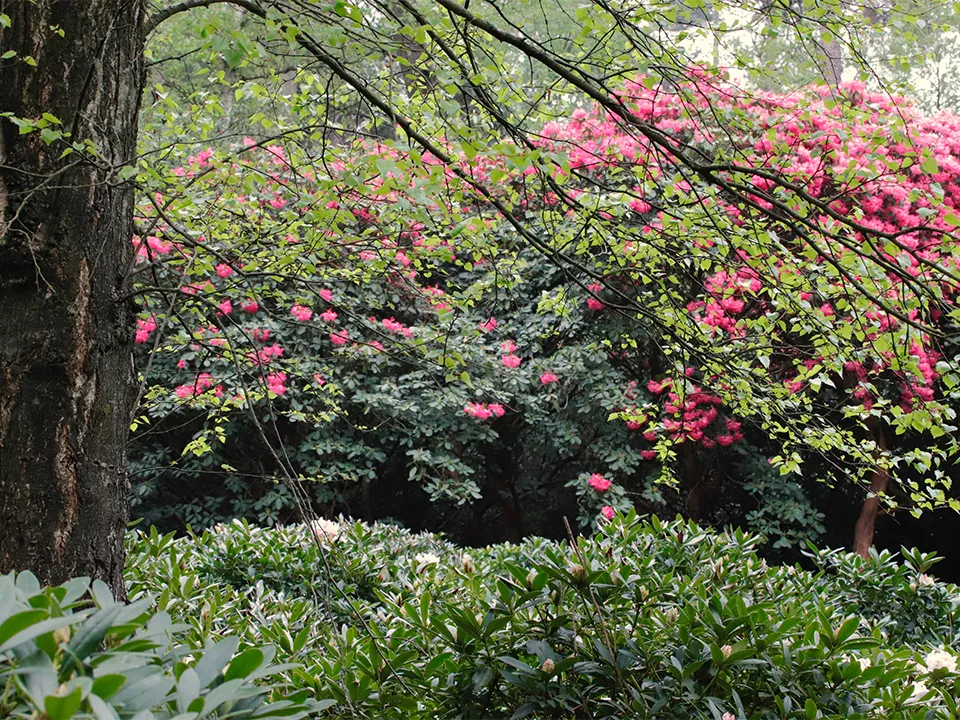
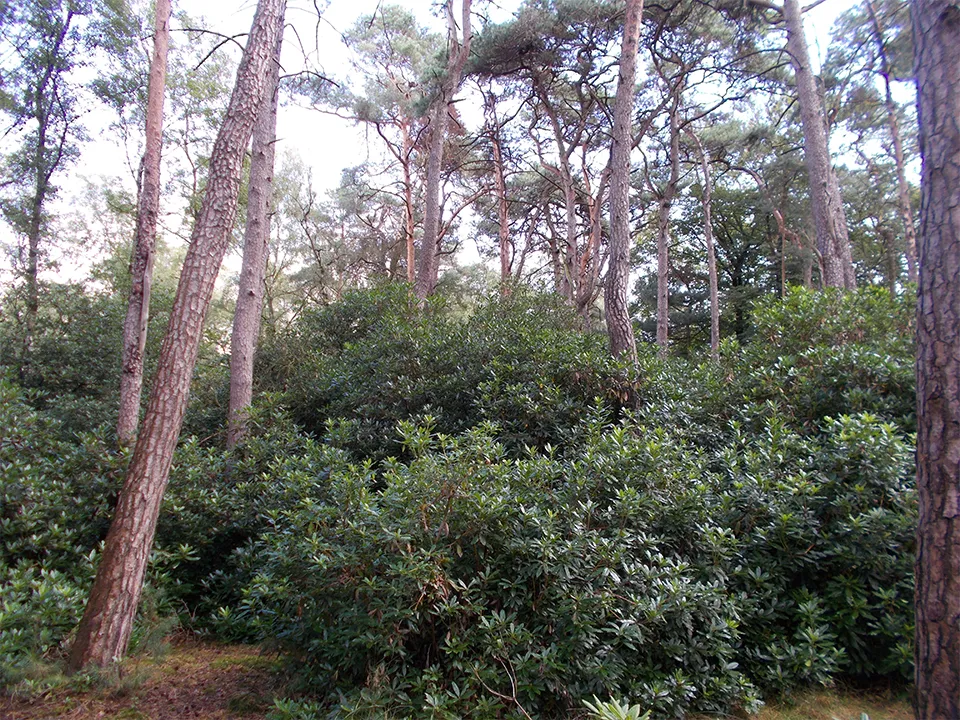
A few rules should be followed to create a successful mass planting of rhododendrons. The first and most important requirement is the soil.
The soil must be sufficiently free-draining, as rhododendrons do not tolerate waterlogged roots. Mixing rhododendron soil or peat into the soil, or adding it to the planting hole, is essential. Other considerations also play an important role in successfully creating a mass planting of rhododendrons.
Ideal soil acidity
Soil acidity is an important factor: a pH of 4.5-5.5 is ideal. If in doubt, it is advisable to take a soil sample. Incorporate dried cow manure into the planting hole or across the whole area, at a rate of 25 kilograms per are for smaller plants and 35 kilograms for large plants. Rhododendron soil and cow manure are available from Rhodoskwekerij. This means you can start planting straight away without having to order anything from elsewhere.
Do it yourself or hire a professional?
If you have little time, or want your mass planting created quickly and well, Rhodoskwekerij offers a planting service for landscape gardeners and garden designers. The main thing is to create an attractive overall effect while keeping the price competitive. For example, there is no point using perfect plants in the middle of a mass planting. Instead, choose plants that are bare at the base (B grade) here to keep the cost down.
Choose the ideal height
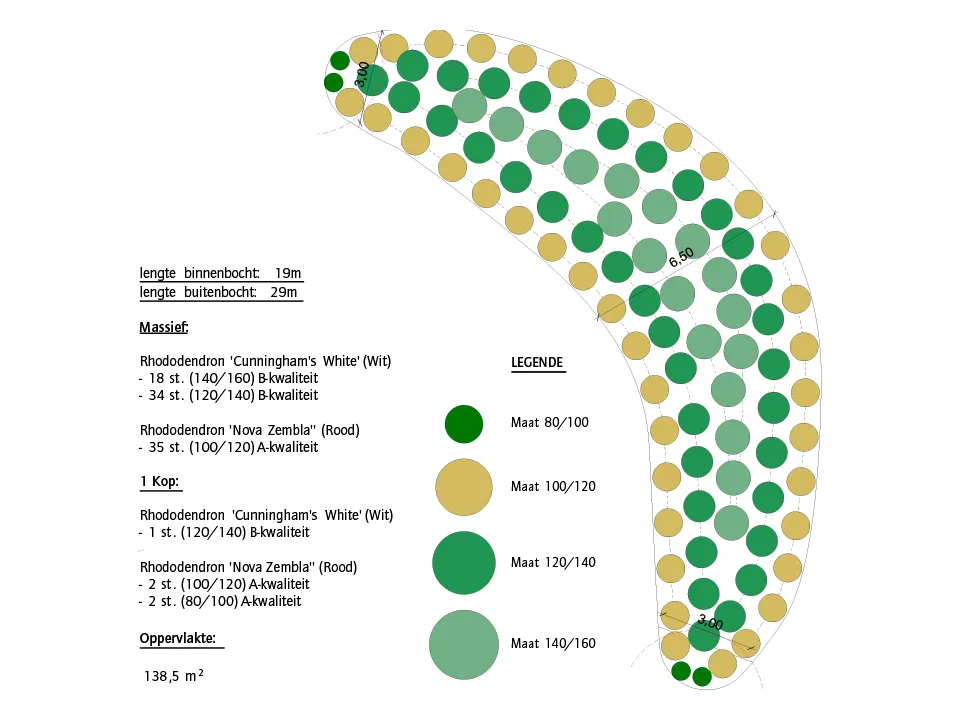
Decide in advance what needs to be ‘hidden’, or in other words, how much volume the mass planting should have in relation to the rest of the garden. For a freestanding mass planting with several viewing angles, place the tallest plants in the middle. These can be bare at the base. For a mass planting against a backdrop, place the tallest plants at the back.
Decide on the depth of the mass planting
A depth of about four metres is needed to allow you to use plants of different grades. If this is not possible, choose AB or A grade, depending on the client’s budget. Always use at least AB grade along the viewing edge. These plants are guaranteed to have one good-looking side. If the client has particularly high expectations, use A grade along the viewing edges.
Choose the colour of the mass planting
Rhododendron ponticum is a popular choice, but the cultivars also offer plenty of possibilities. A mass planting is usually created in a single colour. You can also use several colours, but plant them in blocks of colour. Scattering the odd plant of a different colour throughout has little impact and looks untidy. You can also mix flowering times to extend the enjoyment for your client.
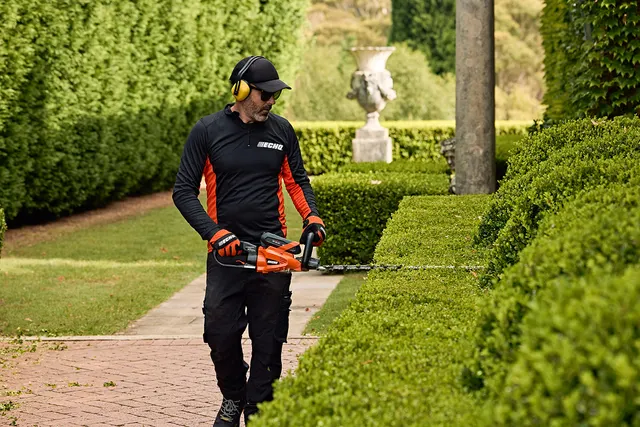
When planting, always make sure the plants fit together well. Take a good look at them from different angles and turn them as needed. After planting, prune off any protruding branches and shape the mass planting, preferably with manual hedge shears. Remove the flower buds either immediately after planting or after flowering. As a precaution, and for warranty purposes, lay a drip hose between the plants. Water for four hours every two days in dry weather.
Finally, leave all the leaves that fall from surrounding trees in the mass planting. Rhododendrons need an organic mulch. At Rhodoskwekerij, we are not keen on bark or wood chips. They contain too many substances that inhibit root growth, and rhododendrons have very shallow roots.
Tip for an exclusive mass planting
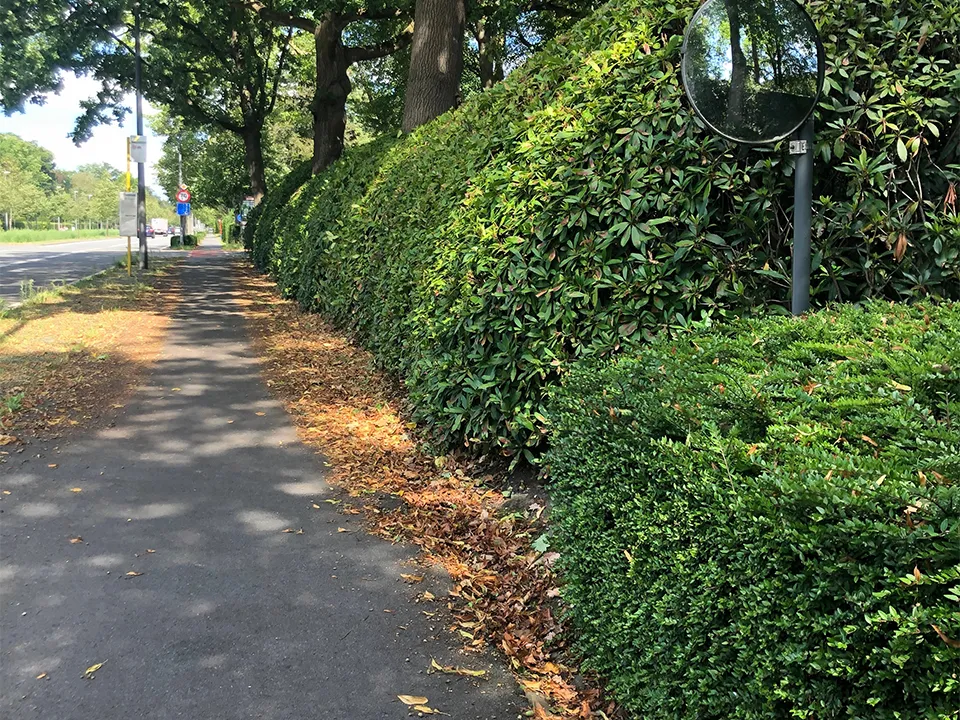
Rhododendron Himalaya is a very slow-growing variety, so it requires little maintenance or pruning, and is ideal for planting alongside driveways and access roads. Its attractive greyish foliage and distinctive flowers create an exclusive effect. Plants are available up to 200 centimetres tall. Landscape gardeners and garden designers are welcome to send Rhodoskwekerij their plans, and the nursery will mark the plants on them.
Question about this story? Ask your question
Keep following this
Get an email when a new story is published. No account needed.
- SubjectProduct information