Stricter emissions standards for diesel engines on the way
In the drive for a cleaner environment, Europe is fully committed to making engines greener. The new EU Stage V emissions requirements were intended to introduce a phase-out period for diesel engines between 25 and 50 hp from June 2020. But the coronavirus crisis literally threw a spanner in the works. The stricter standards will come into force on 1 January 2022, when polluting engines may no longer be sold. Frank Thomas, co-director of Thomas bvba, explains the impact on the use of agricultural machinery, wood chippers and professional lawnmowers.
Thomas bvba is a well-known supplier of agricultural machinery in Flemish Brabant. Driven by its ambition to diversify, the company is also active in the garden and amenity sector throughout Belgium and Luxembourg. Its customer base is varied: farmers are naturally an important target group, but municipal authorities, landscape contractors and managers of sports centres and golf courses, for example, can also find a wide range of tractors, mowers and other machinery at Thomas bvba.
Rising demand for environmentally friendly maintenance machinery
Over the past few years, Frank Thomas has seen growing demand among customers for environmentally friendly machinery, with or without a hybrid engine. He says this is no coincidence. “The emissions rules imposed by Europe are becoming increasingly strict. An EU regulation imposing tougher requirements on polluting diesel engines between 25 and 50 hp is making more and more suppliers and end customers aware that change is needed. The so-called EU Stage V emissions standard is certainly creating an exciting new landscape for the future.”
New features in diesel engines
“There was already a stricter emissions standard for diesel engines over 50 hp. Suppliers had known about the new regulations for smaller engines, which are widely used in garden and amenity machinery, for some time. This gave them the opportunity to introduce other innovations across their machinery ranges. One notable change is that engines are becoming more fuel-efficient while remaining at least as powerful. More power can be extracted from a litre of fuel. This is possible in part thanks to electronic control of the fuel pump (that is, higher injection pressure). However, this requires the use of clean diesel fuel. Manufacturers can also use this control system to integrate other features into their machinery, improving comfort and efficiency. For example, a hydrostatic transmission can make the accelerator pedal communicate more effectively with the engine.”
Petrol engine as an interesting alternative
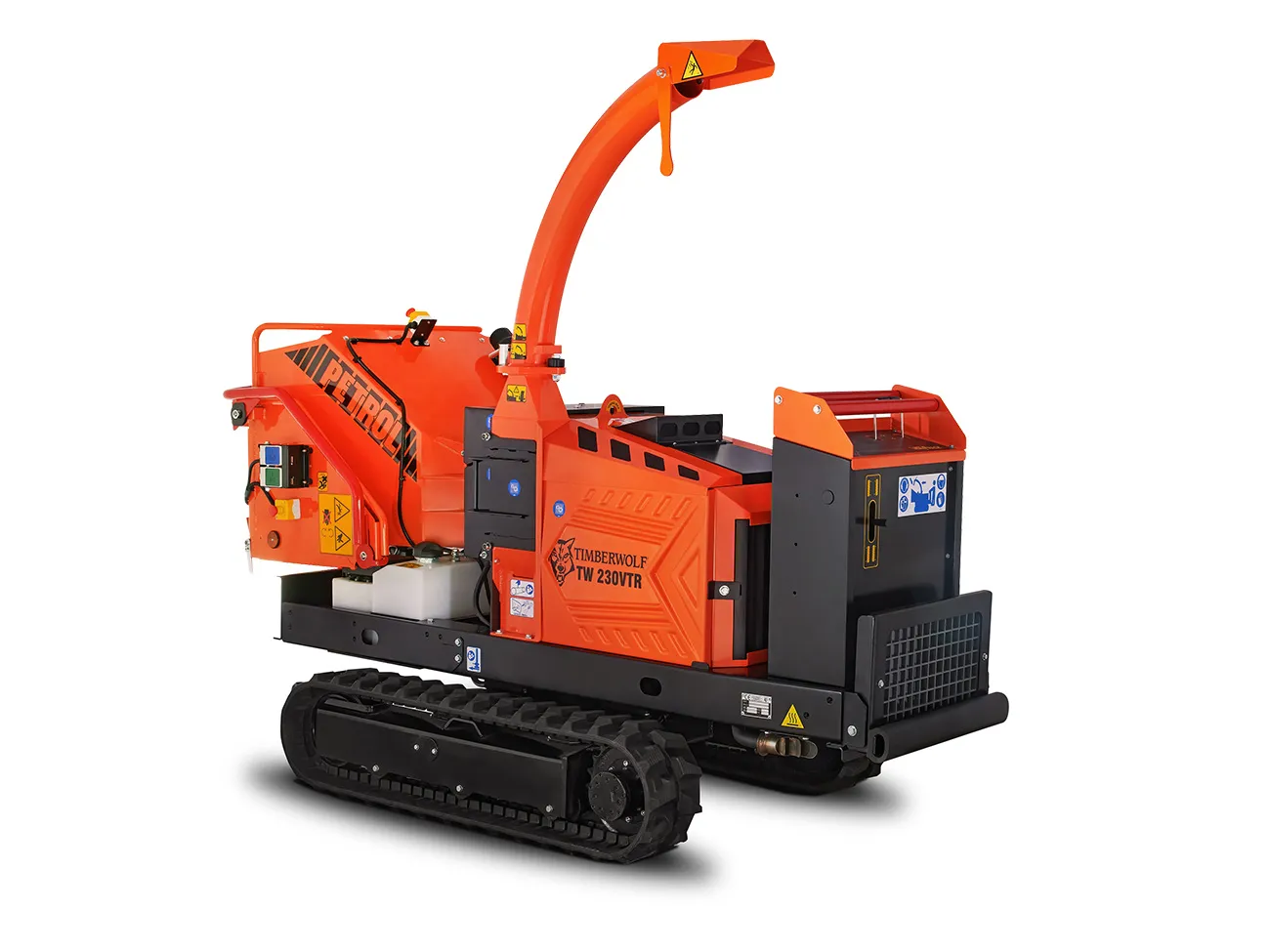
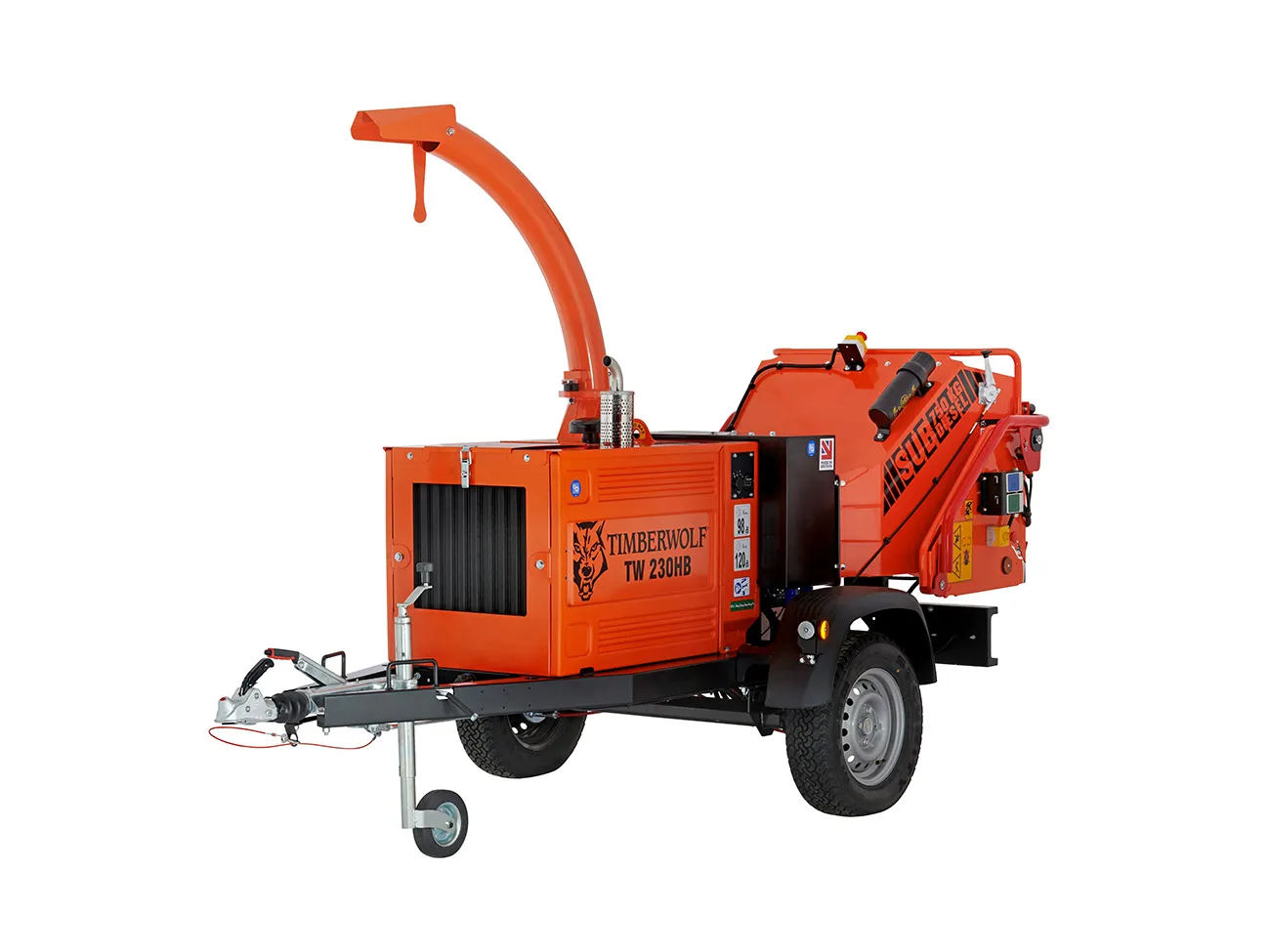
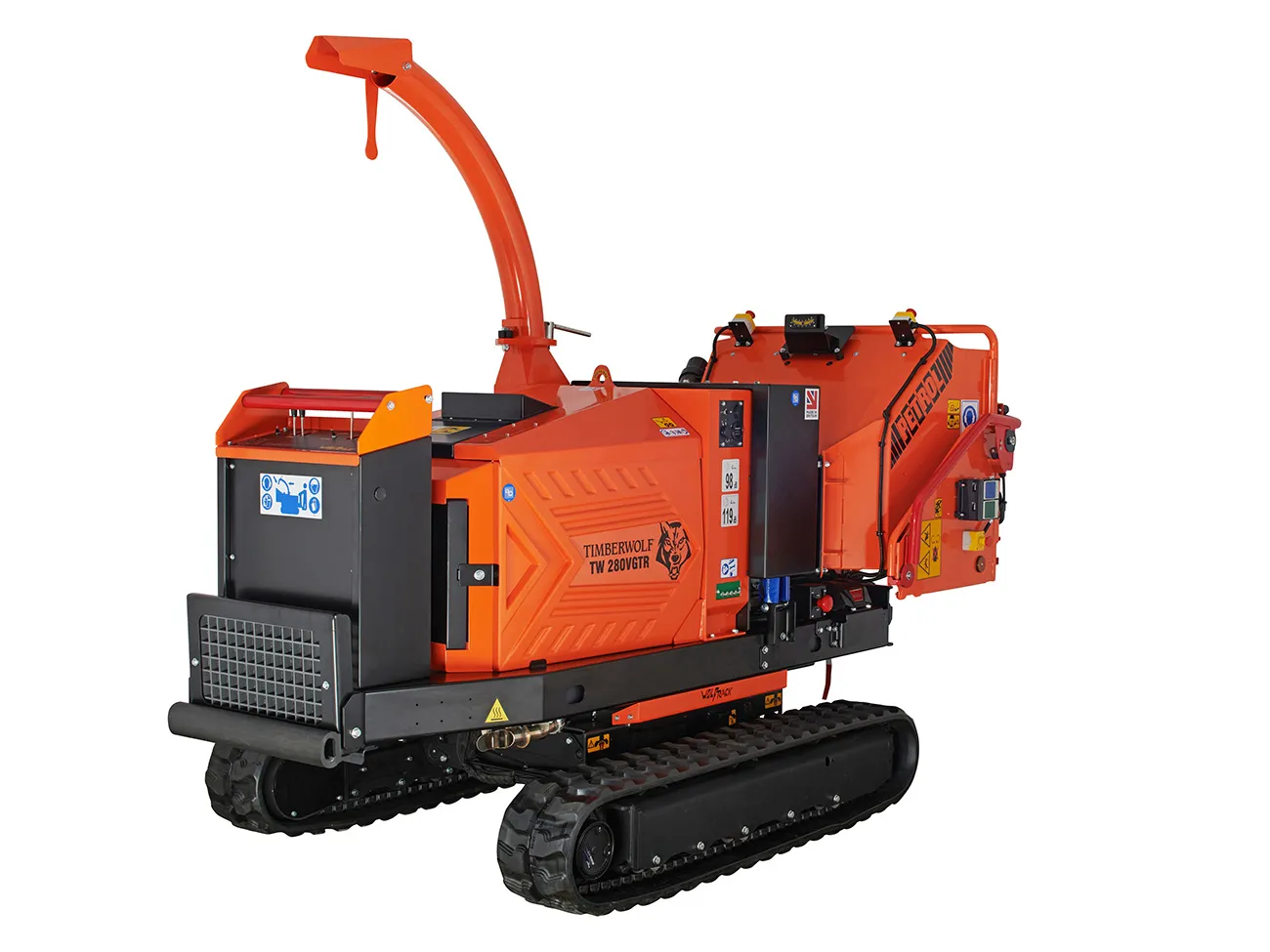
Frank Thomas sees the petrol engine as an interesting alternative to the diesel version. “With our wood chippers, we find that engines under 25 hp can be surprisingly powerful. Using a petrol engine offers clear advantages over a diesel engine. These include lower emissions, less noise (and therefore greater comfort for the operator), a lighter engine design, made of aluminium rather than the cast-iron block used in a diesel engine, and a lighter chassis, which in turn results in less vibration and lower ground pressure. We have American manufacturers to thank for the development of high-performance petrol engines, because surprisingly low emissions standards for agricultural machinery apply in certain states.”
Question about this story? Ask your question
Keep following this
Get an email when a new story is published. No account needed.
- SubjectMachinery & equipment