









Why biofilm is welcome in a swimming pond. Slippery is good
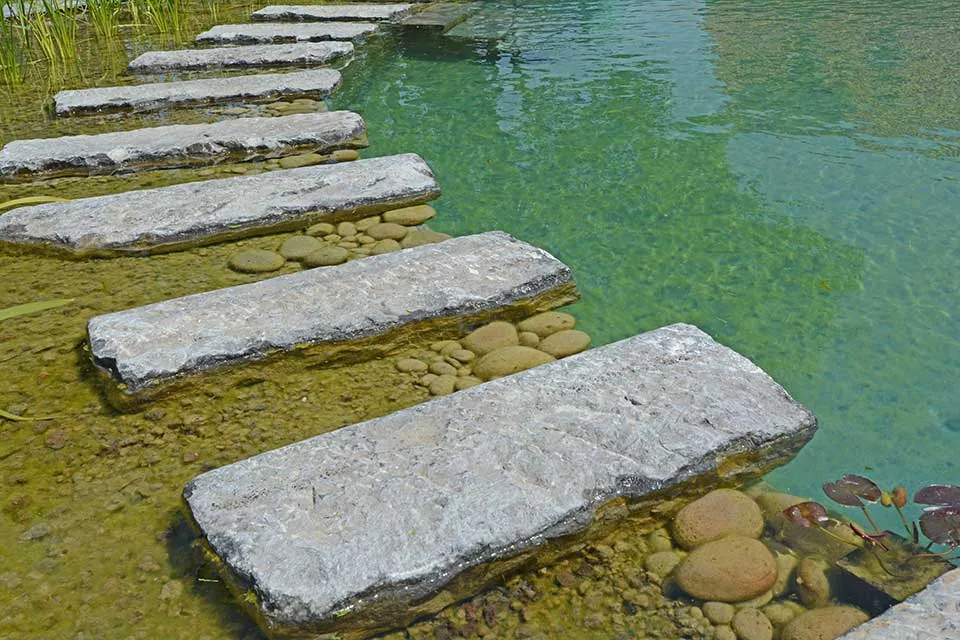
When most people think of bacteria in ponds, they usually picture microorganisms floating freely in the water. But that is not the case.
About 90% of bacteria are found in sessile communities on the surfaces of walls, plants and filter media. In other words, in the form of biofilms.
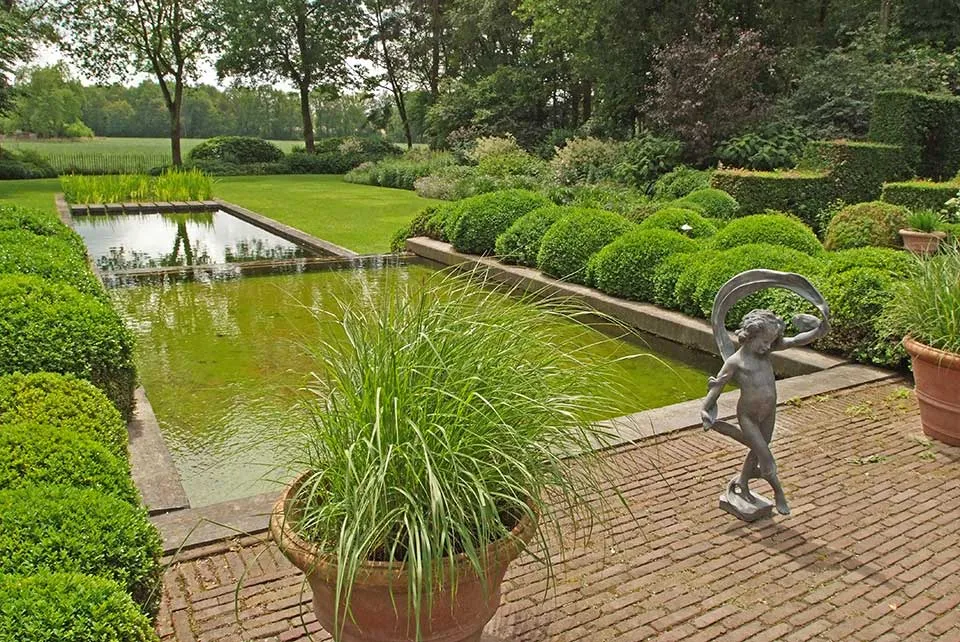
Biofilms occur in almost every environment on Earth that comes into contact with water. They form on tissue as well as on solid and liquid surfaces. Familiar examples include a slick layer on a shower floor, slimy deposits in a water pipe and the coating on our teeth. Microorganisms can adapt to their environment by forming biofilms and survive in conditions where they otherwise could not. Biofilms do not form above 60°C. They can form easily and quickly, especially at temperatures between 25 and 40°C.
In the pond
In a pond, biofilm forms when free-floating microorganisms attach themselves to a surface, such as a wall or pipe. The individual cells use ‘slime’ to connect with one another, forming several layers. This allows the biofilm to better withstand, for example, the flow of water.
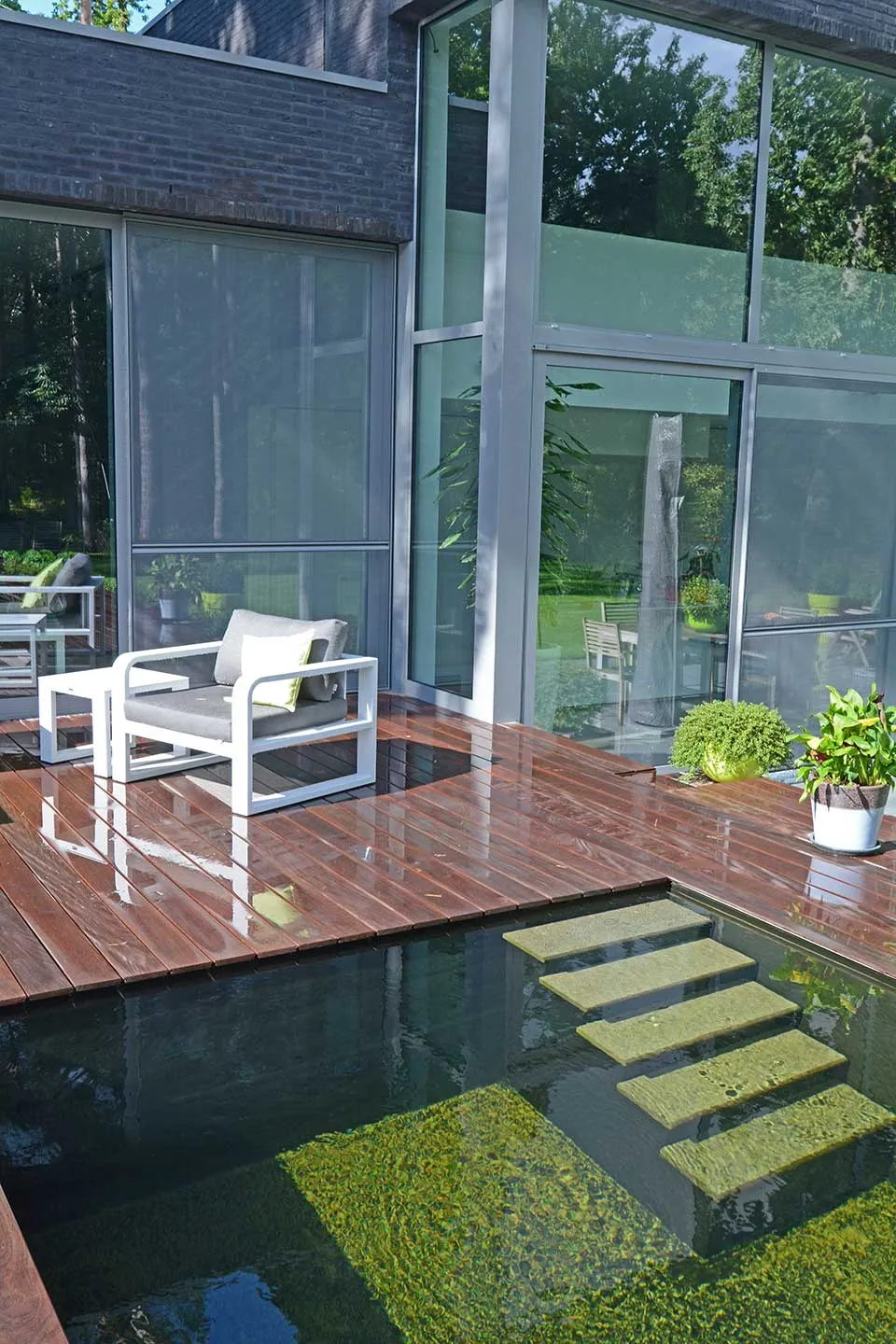
A biofilm is a complex structure that can contain not only bacteria, but also algae, protozoa and other microorganisms. It feels slippery and smooth. This is due to the extracellular matrix, which consists of a combination of proteins, polysaccharides and other substances. A complex structure of channels, pores and slime develops, in which the waste products of one organism become food for another.
A biofilm can be viewed as a miniature forest, where each species has its own role. The forest expands at the outer edge of the biofilm. Cells also detach and are carried away by the water, spreading the biofilm throughout the pond.
What does biofilm do?
Above all, it multiplies. If a biofilm is left undisturbed, it will continue to grow.
It also purifies the water. The biofilm in a pond contains beneficial bacteria that convert waste into useful substances. For example, some bacteria convert toxic ammonium into the less toxic nitrite, while others convert this nitrite into non-toxic nitrate, which is then absorbed by plants. The biological action of filters is based on the biofilm that grows on the filter media.
In German-speaking countries such as Austria, swimming ponds are sometimes built with still or almost still water, especially larger ones. Sedimentation is the basis of filtration here: a natural process that occurs in shallow lakes. These swimming ponds are deliberately designed with undisturbed deep-water zones, intended for sedimentation.
Almost all the swimming ponds built here are based on the purification principle of rivers in low mountain ranges, with flowing water. Biofilm formation is the basis of filtration here. No zones are set aside for sedimentation. Every part of the swimming pond is accessible for maintenance.
The downsides of biofilms
Biofilm in the wetland zone and on the filter media has to be there, otherwise we would have no biological treatment. Nobody has a problem with that.
Biofilm in the swimming area is just as useful, but people can ‘make a fuss’ about it. Biofilm growing on the pond steps makes them slippery, so people can slip on them.
In some cases, biofilm growing on the bottom and walls of a swimming pond causes a degree of staining. On black liners such as EPDM, these marks are usually less visible and create a sort of marble effect, which can even look attractive. They are often noticeable on light-coloured liners, making this an aesthetic issue.
Biofilms can damage the surface they grow on, partly because they produce acids. In our mouths, acid produced by bacteria causes cavities in our teeth. Some biofilms can even corrode stainless steel.
Good-quality pond liner is resistant to acids and bacteria. It is nevertheless advisable to inspect the surface of the pond walls regularly. Excessive biofilm, or biofilm that looks ‘strange’, can be a sign that something is wrong with the swimming pond: the biofilm may have an unhealthy composition, contain fungi, or there may be excessive amounts of copper or other substances. Thicker biofilm encourages the growth of more anaerobic bacteria…
Keeping it under control
A good biofilm is thin and barely visible. It consists of several beneficial microorganisms that ‘work together’ to purify the water.
A good biofilm is kept thin by mechanically cleaning the walls of the swimming pond. It is important that all surfaces are readily accessible and maintained regularly. This can be done with a brush on a sturdy handle, a pond vacuum or a robot vacuum suitable for swimming ponds (such as the Dolphin Bio Suction).
A good biofilm in a swimming pond contains at least six different bacteria. It is therefore wise to add a bacterial preparation regularly (such as Bactopool from IchiPond).
A good biofilm thrives in water with the right composition. If biofilm looks ‘different from normal’, it is advisable to check the water parameters and make sure that equipment is working properly and set correctly.
Question about this story? Ask your question
Keep following this
Get an email when a new story is published. No account needed.
- SubjectGeneral







