









Tips & tricks for a bee-friendly garden
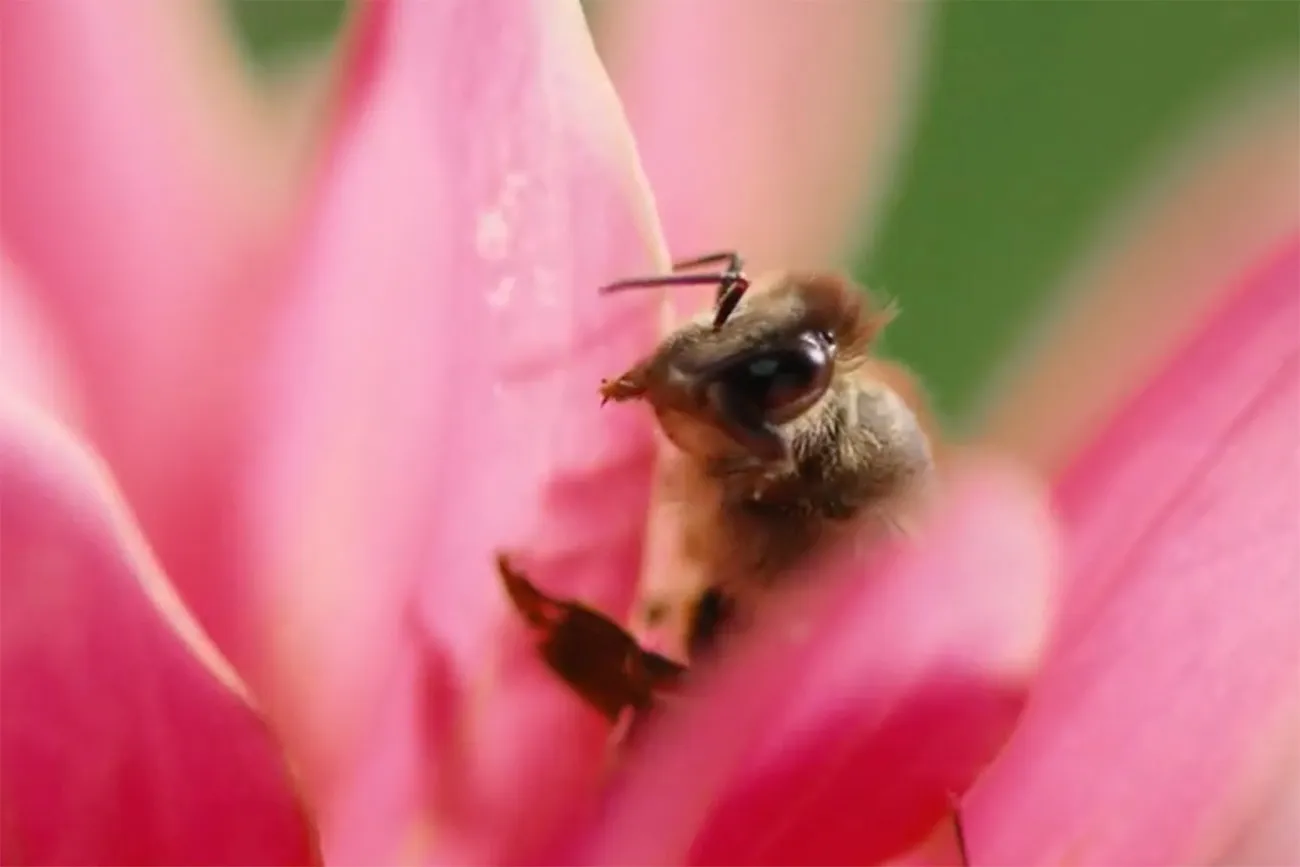
Pollinating insects, including bees, are coming under increasing pressure. Populations of both honeybees and wild bees are declining in our country. Yet bees play an important role, contributing to our biodiversity, economy and health. The 10th edition of Week van de Bij is calling on every gardener to turn their garden into a B&B for bees. With the tips & tricks below from Husqvarna, anyone can transform their garden, terrace or even balcony into a bee-friendly habitat.
Ahead of the 10th edition of Week van de Bij (28 May to 4 June 2023)
Plenty of food throughout the four seasons
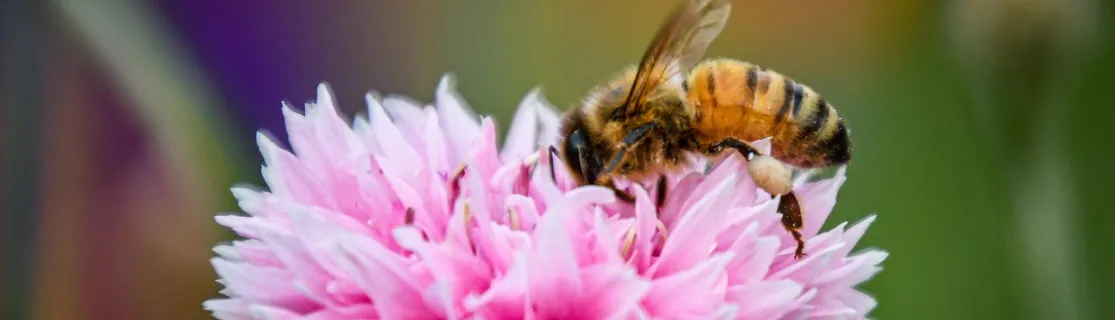
Climate change is causing fluctuations and changes in the seasons. This leaves many bees confused, searching in vain for food at the wrong time of year. It is therefore a good idea to provide bees with plenty of nectar- and pollen-producing plants throughout the year. In many gardens, flowers and plants bloom only from May to June. How can this be addressed? The answer is the flowering sequence principle: provide flowering plants from early spring to late autumn, using trees, shrubs, perennials and flower bulbs. This ensures that bees have plenty of food from February through to November.
Spiral beds, herb gardens or bee hotels
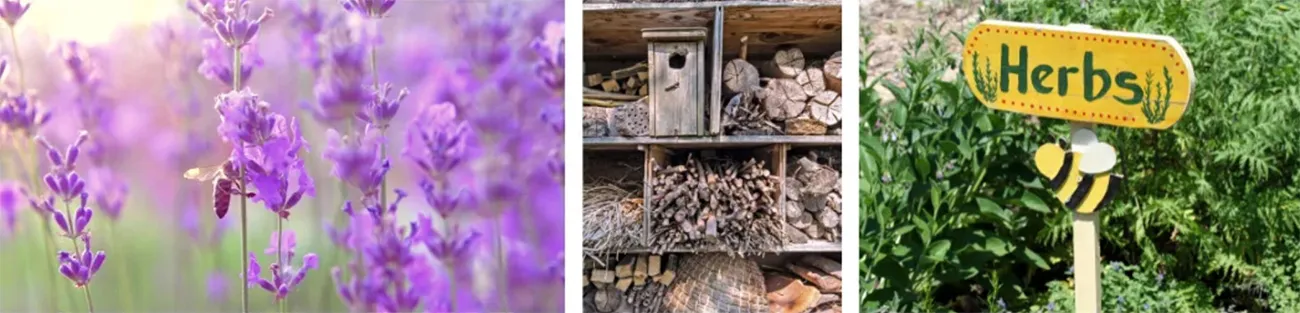
Another real asset for bees is spiral beds filled with aromatic herbs such as sage, marjoram and thyme. These also provide food for bees throughout the year. And don’t forget to provide water. Small hollows in large stones or bird baths filled with water on sunny days are ideal places for bees to quench their thirst. Garden ponds are also excellent water sources.
As well as food and water, bees often need somewhere to rest. A bee hotel is a welcome addition. Undisturbed corners, old walls, cavities and piles of dead wood are often already there to help bees. No garden? Terraces and balconies can also easily be transformed into a bee paradise with window boxes or planters. Bluebeard (Caryopteris) is ideal for this, as is a herb planter.
Fence arches to the rescue
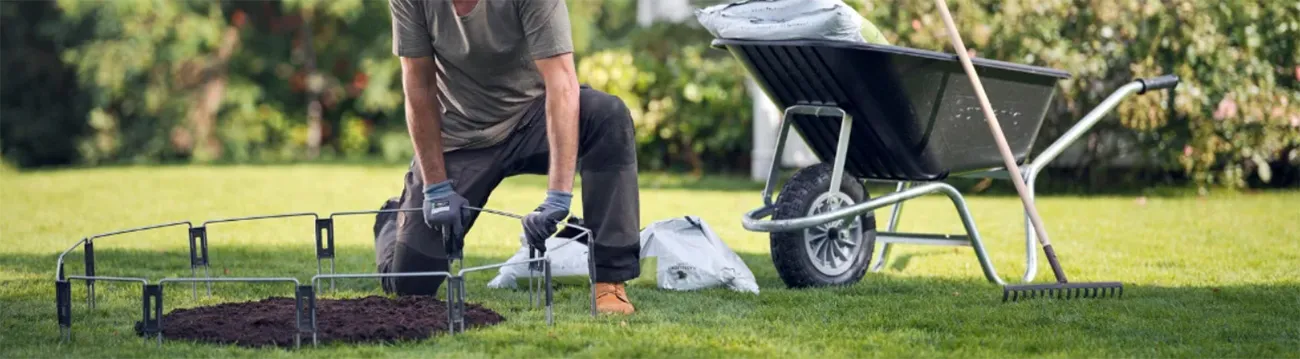
Husqvarna also recommends leaving part of the garden unmown. If you have a robotic lawn mower, you can use fence arches. These are an inexpensive and very simple solution. The metal frames allow the grass to grow and spring flowers to bloom, helping bees. They can also protect an inflatable pool or newly sown grass. The fence arches are reliable and easy to use. There is no need to adjust the robotic lawn mower’s schedule.
Let the garden grow wild
Gardeners with a robotic lawn mower have another way to help bees in their search for food. Husqvarna has developed a dedicated feature that allows part of the garden to grow wild. Rewilding Mode makes this easier by automatically leaving at least 5% of the garden unmown, creating space for a meadow for bees, butterflies and other pollinating insects. The feature is available on the Automower® robotic lawn mower models 405X, 415X and 435X AWD, and on the NERA models 430X NERA and 450X NERA installed with boundary wire.
Get started with Husqvarna robotic lawn mowers and fence arches, and turn your garden into a true bed and breakfast for bees.
Question about this story? Ask your question
Keep following this
Get an email when a new story is published. No account needed.
- SubjectGeneral







