









Six tips for a stable ecosystem: plant selection to boost biodiversity
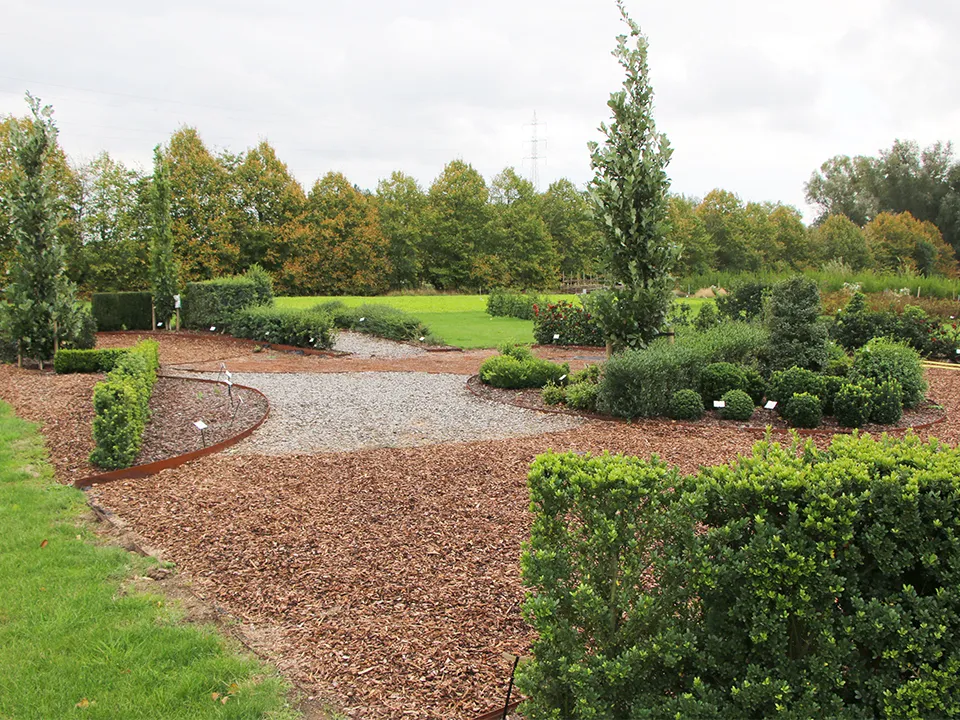
High biodiversity contributes to clean water and air, greenhouse gas absorption, fertile soil, better water infiltration, higher crop yields, reduced heat stress and a lower risk of diseases and pests.
Increasing planting diversity promotes biodiversity and turns gardens and public green spaces into important stepping stones that help maintain habitats for animal species.
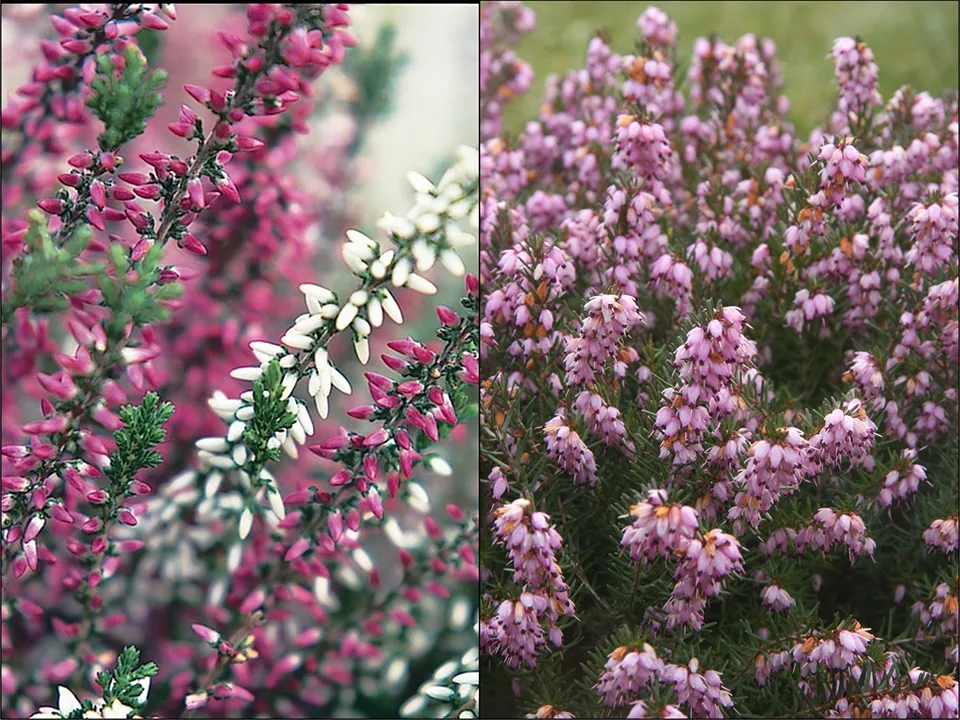
Plants and animals interact closely. Plants attract insects and birds according to the food they offer, their location, scent, colour and flowering period. Insects and birds adapt to these factors in terms of life cycle, emergence period, physical characteristics, food requirements and senses.
Among pollinators, a distinction can be made between generalists, such as honeybees, which find pollen and nectar on a range of plant species, and specialists, which visit only one or a few species. This makes specialists more vulnerable to changes such as the loss of a plant species or shifts in flowering time.
Preserving natural value
At the start of the design phase, it is advisable to take stock of the biodiversity already present, including mature beneficial plant species, nesting sites for birds or insects, and the presence of certain mammals such as hedgehogs. Mature plants have a considerably higher biodiversity value than young, newly planted specimens, so it is worth preserving them. If changes are necessary, work in stages and allow the animal species already present time to migrate.
Structural diversity
Layered planting that includes a grass or herb layer, an edge layer of perennials, a shrub layer and a tree layer provides the shelter and overwintering sites needed by many animal species. Different height levels are also beneficial. Many butterfly species, for example, need sunny spots and sheltered areas to regulate their temperature, slopes to move around, and trees or shrubs in which to overwinter.
Growing conditions
A plant can only develop well and have a positive effect on biodiversity when it is in the right growing conditions, including soil texture, pH and light availability. Replacing one plant with another solely because they look similar, as is often done with boxwood and Ilex crenata, is therefore not a good idea and can lead to diseases and pests. Alternatives include a wide range of evergreen plants suitable for shaping, such as Osmanthus, Lonicera, Taxus, Euonymus and Phyllerea, as well as boxwood itself, which is bee-friendly. The key is to put the right plant in the right place.
Native species
Many more insect species are found on native plants than on non-native ones. In addition, so-called specialist pollinating insects are almost exclusively associated with native plant species. Flower-rich seed mixes containing native species also have greater biodiversity potential than those containing non-native species. In other words, native species provide a strong foundation for a planting plan that promotes biodiversity.
Where growing conditions are more extreme, such as on business parks, in urban gardens, alongside paved roads or on green roofs, native species often fare less well, and non-native species can provide a solution. Non-native species can also be a valuable addition when creating a year-round flowering succession. In all cases, watch out for invasive species. For more information, consult the Ecopedia website.
Flower and flowering characteristics
While butterflies need only nectar, pollinating insects also need pollen, in addition to this food source, to build honeycombs. Importantly, these resources must be accessible and available at the right time.
In a perennial border, for example, Nepeta x ‘Faasinii’ can provide nectar and Aster different types of pollen. Other species produce both, with the amounts of pollen and nectar varying from one species to another. Information at species level is available from Honeybee Valley, although there can also be variations between cultivars. Research into the diversity of butterfly species per plant species found that it was very low. A high diversity of plant species is therefore needed to increase the
food supply.
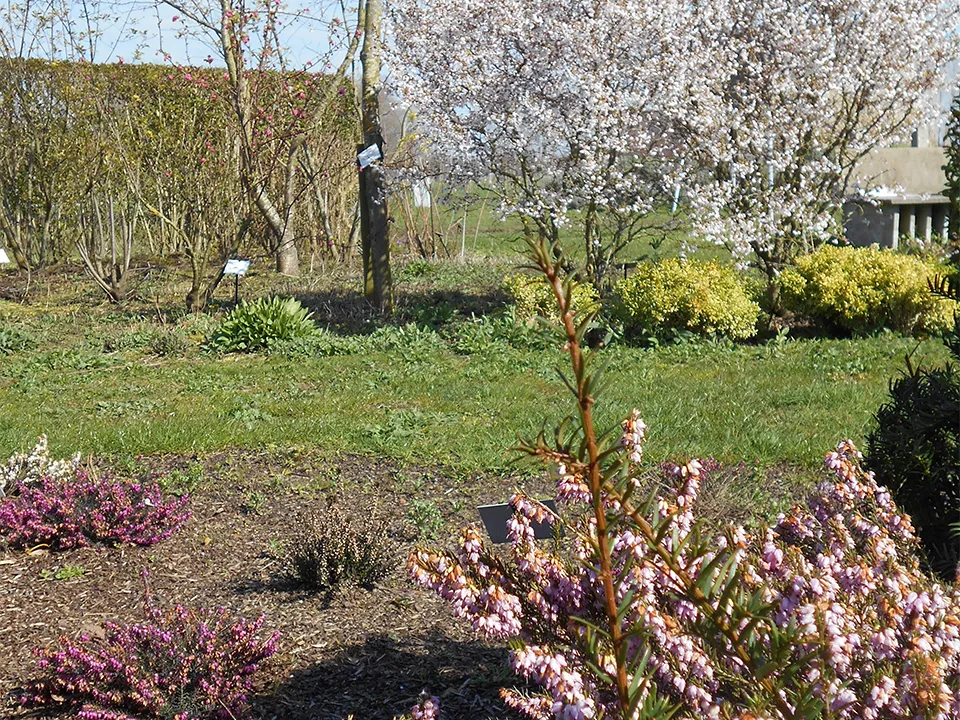
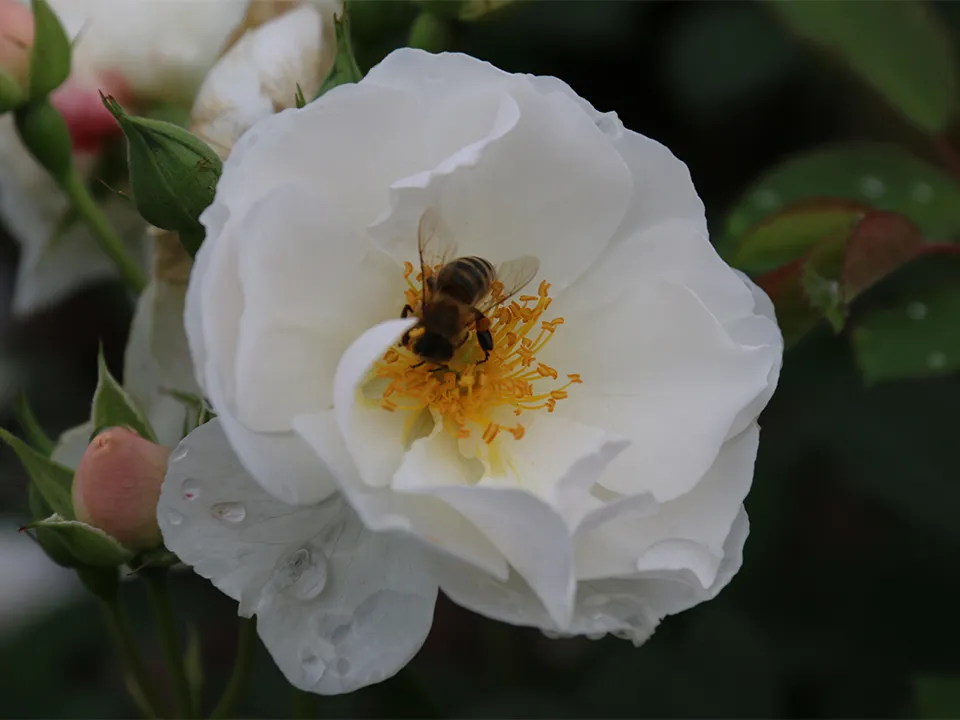
To ensure that pollen and nectar are accessible to insects, open, single-flowered species or cultivars are preferable to double-flowered varieties and so-called closed-flower cultivars. The flower buds of Calluna ‘Garden Girls’, for example, do not open, so this cultivar contributes little to biodiversity. By contrast, several other Calluna vulgaris cultivars with open flowers offer considerable benefits to pollinating insects, partly because they flower late in the season.
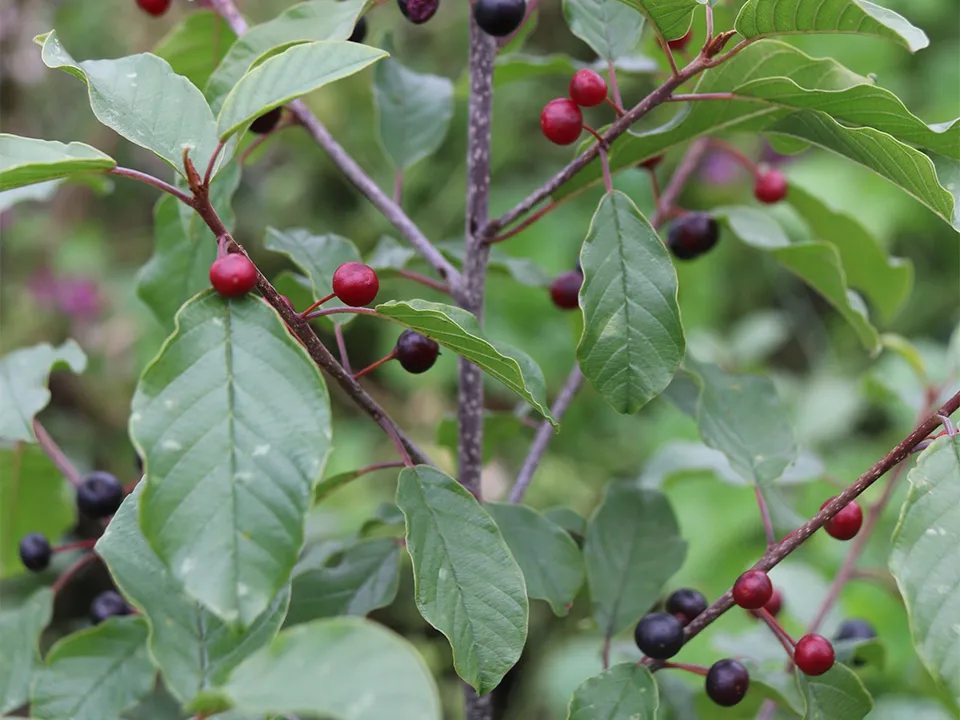
Another factor to consider is that pollinating insects need food throughout the year. This can be achieved with a planting plan that provides a succession of flowers from early spring to late autumn. It is also useful to know that the flowering period can vary between cultivars of the same species. Mixing cultivars can therefore extend the flowering period of a mass planting without changing its appearance. For birds, a berry calendar can be used to spread and diversify food supplies as much as possible.
Plant material provenance
The use of plant protection products is one of the causes of declining biodiversity among pollinating insects. Despite the ban on neonicotinoids, other active substances are still regularly found on plants sold as bee-friendly. The only way to be sure is to buy from nurseries that are committed to sustainability and use as few plant protection products as possible, or none at all, as verified by quality labels such as VEGAPLAN, MPS-ABC, Global Gap or organic certification.
For flower mixes, the local provenance of seeds is another point to consider, alongside sustainable cultivation. If mixes of native species use seed material from other European regions, the plants’ flowering times may differ. Specialists whose emergence period is timed to a particular flowering period may then miss out on their food source.
Question about this story? Ask your question
Keep following this
Get an email when a new story is published. No account needed.
- ThemeLower-impact green space management
- SubjectGeneral







