









Selling produce from your kitchen garden: the obligations of running your own business
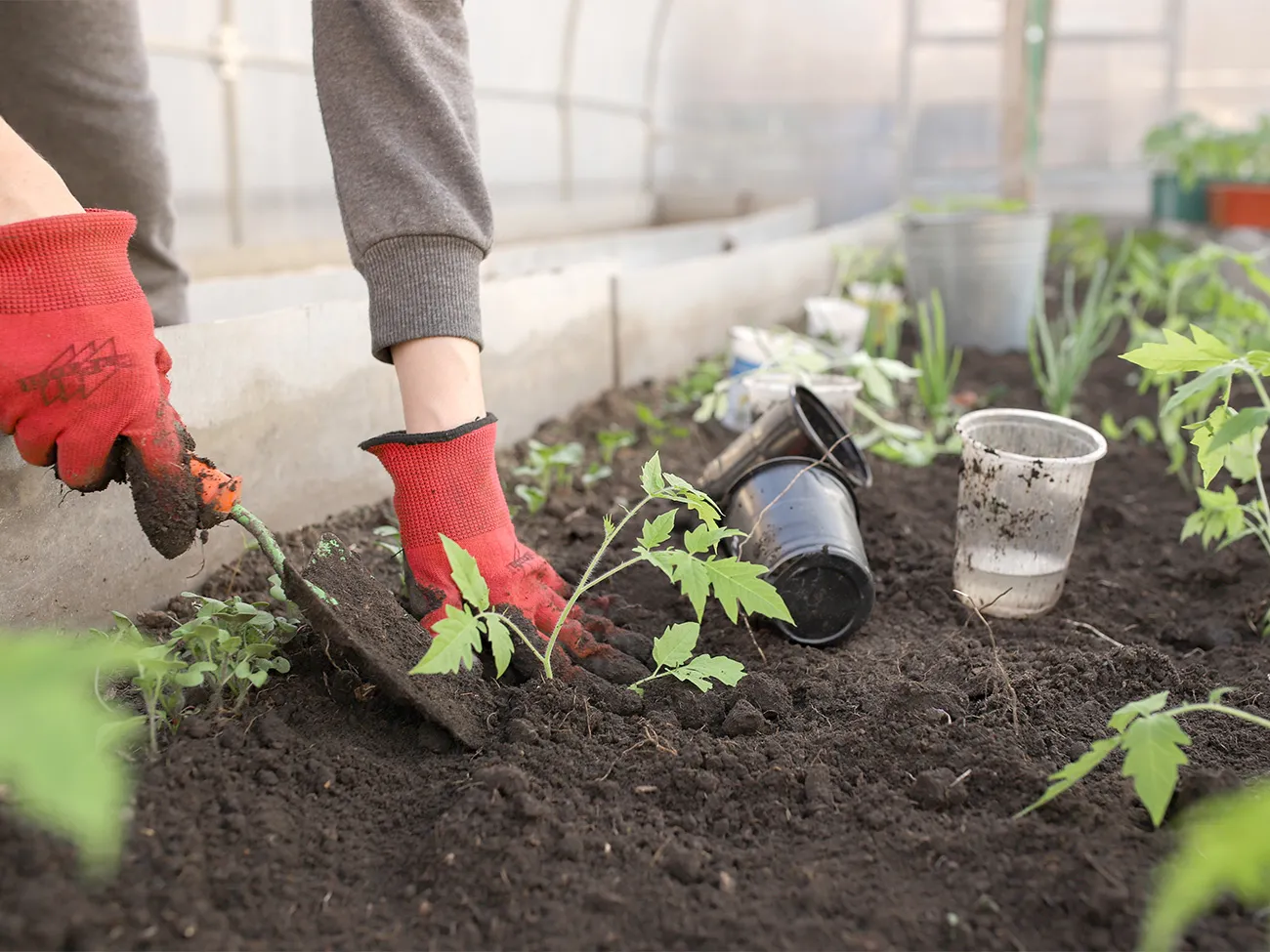
New forms of agriculture are increasingly appearing. One example is a kitchen garden that has grown into a substantial operation, with the harvest being sold. But are you allowed to do this without further ado? What does starting a new activity involve? Below, we look at the steps you need to take.
Starting a business
As soon as you want to sell produce from your kitchen garden, you need to set up a business. This means becoming a self-employed farmer or horticulturalist on a secondary-occupation basis. But what exactly does that involve?
To become self-employed on a secondary-occupation basis, you must be at least 18 and have full civil rights. You must also hold a certificate in business management if you set up your business in Brussels or Wallonia. The Flemish Region has decided to abolish the requirement to demonstrate this knowledge when registering with the CBE (Crossroads Bank for Enterprises). However, Flanders does recommend that new business owners acquire this basic knowledge.
First, you are required to apply for a company number from the CBE. This applies to both sole traders and companies. You can choose any business counter. If you opt for a company, it must first be established before you can be issued with a company number. You must then file the deed of incorporation with the registry of the Commercial Court in the judicial district where your company has its registered office. This must be done within 15 days of the date of the deed of incorporation. Once it has been filed, the registrar will enter the company’s identification details in the CBE, which will then assign the company a company number. Remember to notify your health insurance fund of any change in your status.
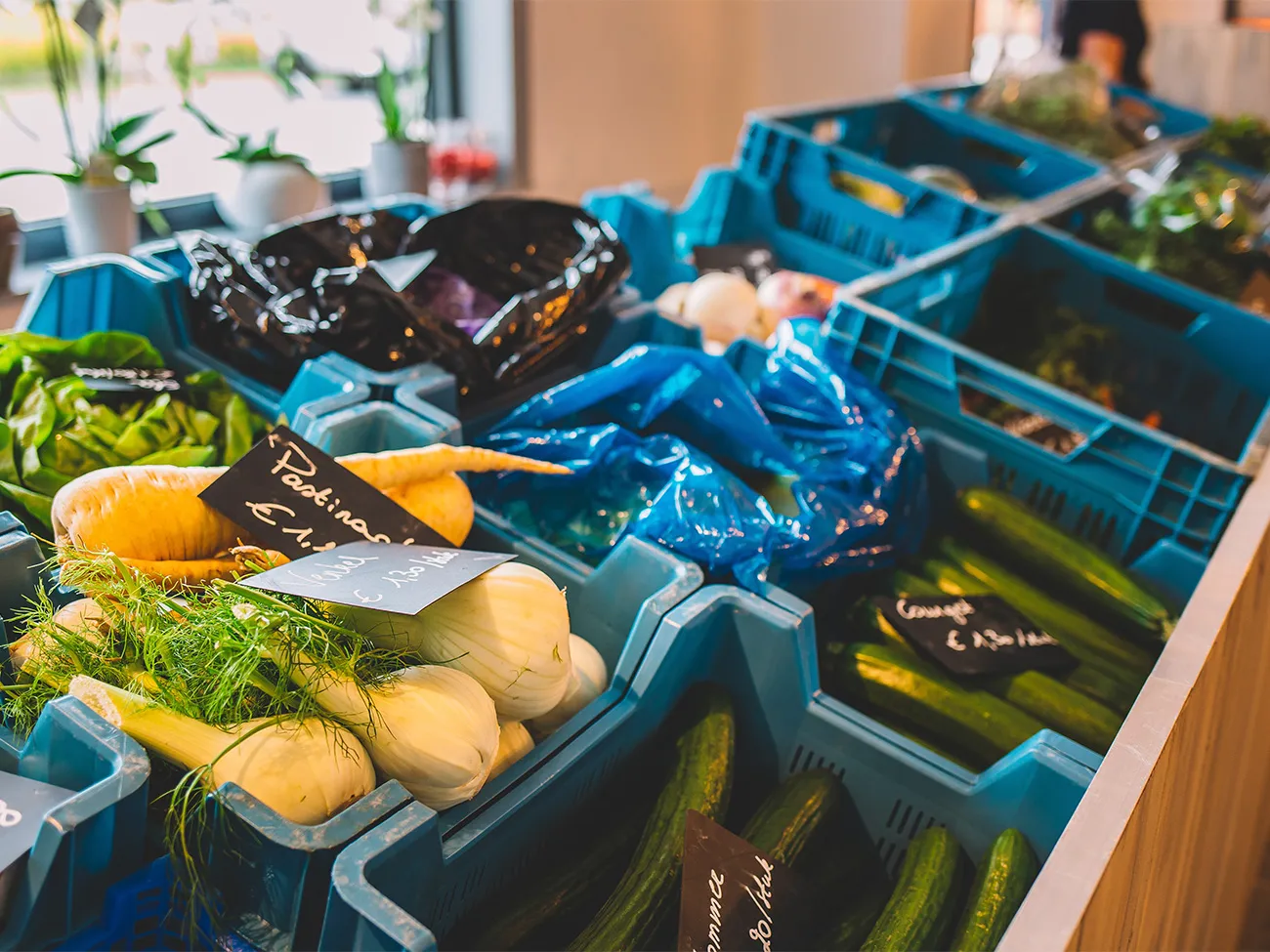
What about VAT and social security contributions?
Normally, you must also apply for a VAT number. For a kitchen garden, you can opt for the special VAT scheme for agricultural businesses. This means that, as a business owner, you are exempt from the VAT obligations that would apply under the normal scheme, such as issuing invoices, paying VAT to the authorities and submitting periodic returns. You cannot deduct the VAT charged by your suppliers, but it is refunded in the form of flat-rate compensation paid by your taxable customers.
You are also required to join a social insurance fund and pay social security contributions every quarter. Unlike a self-employed person whose business is their main occupation, as a self-employed person in a secondary occupation you do not build up your own social security entitlements, such as child benefit, healthcare, sickness benefits and a pension. If your annual income from your secondary occupation is no more than 1.553,57 euros, you are exempt from contributions. If you are self-employed with assimilated secondary-occupation status (Article 37), your net taxable annual income must not exceed 7.356,08 EUR. Each year, the conditions for secondary-occupation status are checked against the previous contribution year. The National Institute for the Social Security of the Self-employed (RSVZ) first carries out this check automatically, using data from the Crossroads Bank for Social Security.
I’m becoming a farmer. What now?
As a new farmer or horticulturalist, you must apply for an agricultural number and an operating number from the Department of Agriculture and Fisheries. Every year, each farmer must also submit a single application. Under the Manure Decree, you are exempt from submitting a manure bank declaration to the Flemish Land Agency (VLM) if you operate a farm or horticultural business in Flanders that meets criteria including having less than 2 ha of land, less than 50 ares of permanently covered agricultural land and annual manure production of less than 300 kg of phosphate.
As soon as you sell vegetables or fruit, you must follow a number of rules to ensure food safety. You must be particularly careful when using plant protection products and biocides. Products must be authorised for use in Belgium and used in accordance with the instructions on the label, including the crop type, dosage and pre-harvest interval. You must also keep a record of the plant protection products and biocides you use. This must include, among other things, the name of the product, the application date, the crop treated, the dosage used and the harvest or sale date. If you grow less than 50 ares of potatoes and standard fruit trees, less than 25 ares of bush fruit or less than 10 ares of other plant products, you do not have to register with the FASFC. You are also exempt from the annual contribution towards FASFC funding.
If you want to engage in itinerant trading, meaning selling products away from your own premises, you need an authorisation to carry out this activity. You must apply for this authorisation, or hawker’s permit, in advance through a business counter of your choice. If you sell your products at your business premises, you may also offer them at an event once without a hawker’s permit, for example at an annual neighbourhood party.
Question about this story? Ask your question
Keep following this
Get an email when a new story is published. No account needed.
- SubjectGeneral







