









Kortrijk wants to tap into both public and private potential. From a region short on woodland to Flanders’ largest forest?
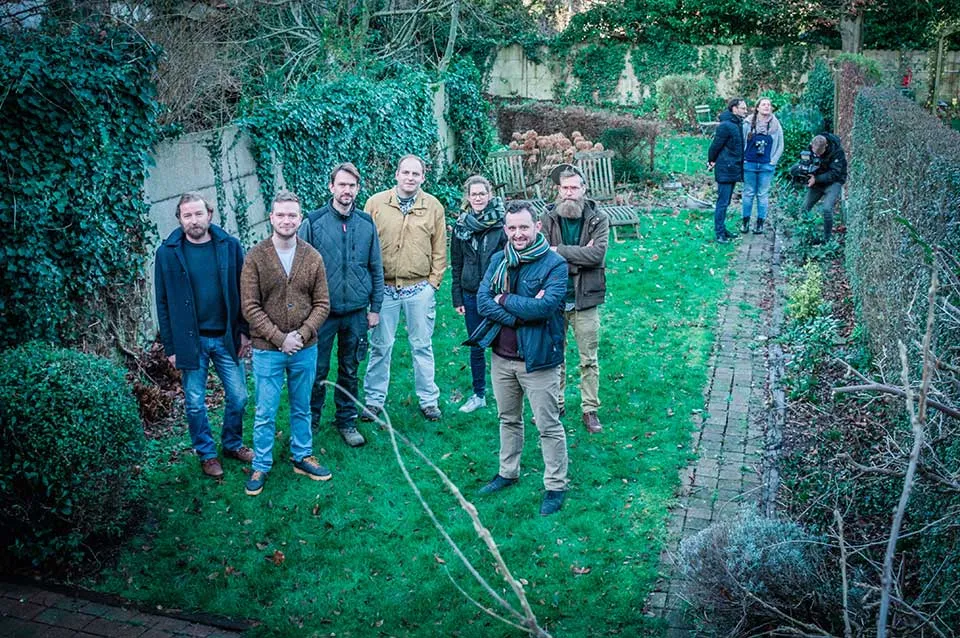
We ask about the initiatives being taken to support nature experiences, green-space management or biodiversity, with the specific circumstances of each city or municipality in mind. This time, we head to the Groeningestad.
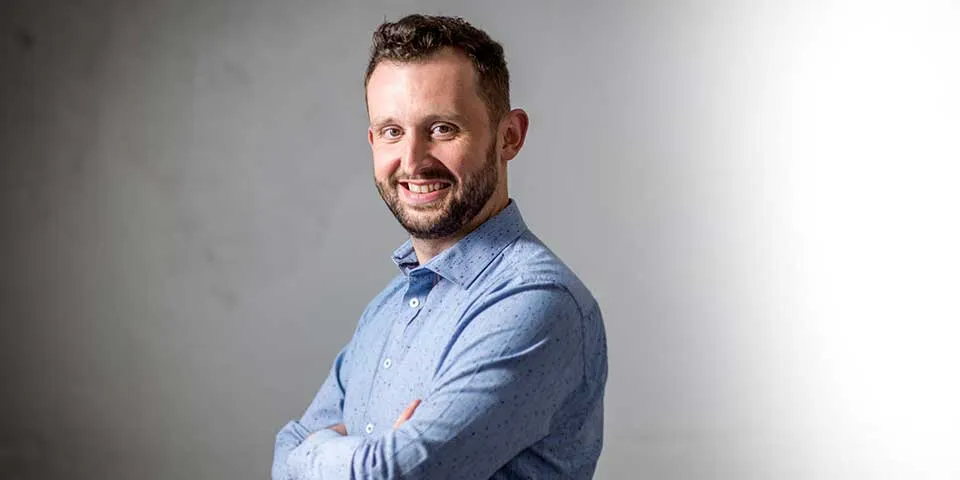
Bert Herrewyn was first elected to Kortrijk’s municipal council in 2007. Six years later, he became an alderman responsible for the Environment, Climate, Biodiversity and Nature, a role he continues to hold in the current term. The fact that Kortrijk is now one of the most woodland-poor regions in Flanders presents a particular challenge for an alderman committed to strengthening biodiversity in and around the city.
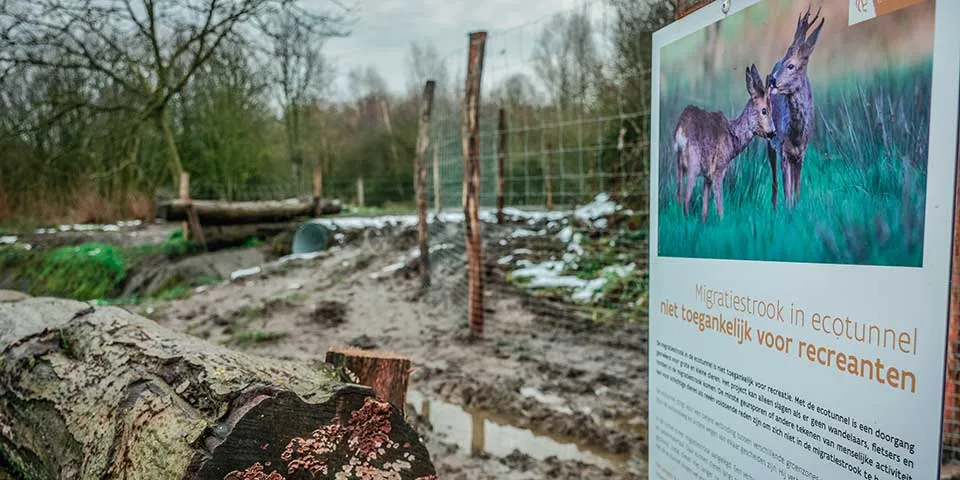
Strengthening existing woodland areas
Kortrijk manages around 220 hectares of green space in total, from parks and planted areas to several larger green hubs on the outskirts of the city. In the current term, Herrewyn wants to add 100 hectares of nature and woodland. “That’s an ambitious but achievable target. There are still 350 hectares of land in our area that are either already designated for nature but not yet developed, or have the potential to be. We’ll work on these systematically, starting by strengthening existing woodland areas. We’re already actively looking at which plots are suitable, which we still need to acquire and which we may need to
rezone, including around Preshoekbos and in the Interfluvium.”
A green network extending into the city centre
While the ambition to create an additional 100 hectares of nature is focused mainly on the outskirts of the city, Herrewyn also wants to boost biodiversity right in the centre. “That takes more than efforts by the local authority. Just look at the figures. Kortrijk may have little woodland, but private gardens account for 11.7% of our land, well above the Flemish average of 8%. That’s even more than the average proportion of woodland in Flanders. Given that most gardens today are not very wildlife-friendly, there’s enormous potential there. To put it bluntly, if everyone turned one square metre of their garden into a natural area, we’d have the largest forest in Flanders.”
Targeted support
Herrewyn cannot, of course, intervene in his residents’ private property, but he can lower the barriers. Following the launch of its renovation coach, Kortrijk introduced a garden coach last year. “Many people want to take steps to support biodiversity in their garden, but don’t know how. Or they worry that it won’t suit the layout of their garden or fit with other priorities such as play space or a patio. Our garden coaches, a team of five professional garden experts, offer free advice tailored to their needs and their garden, so they can then carry out the work themselves or have a landscape contractor do it.”
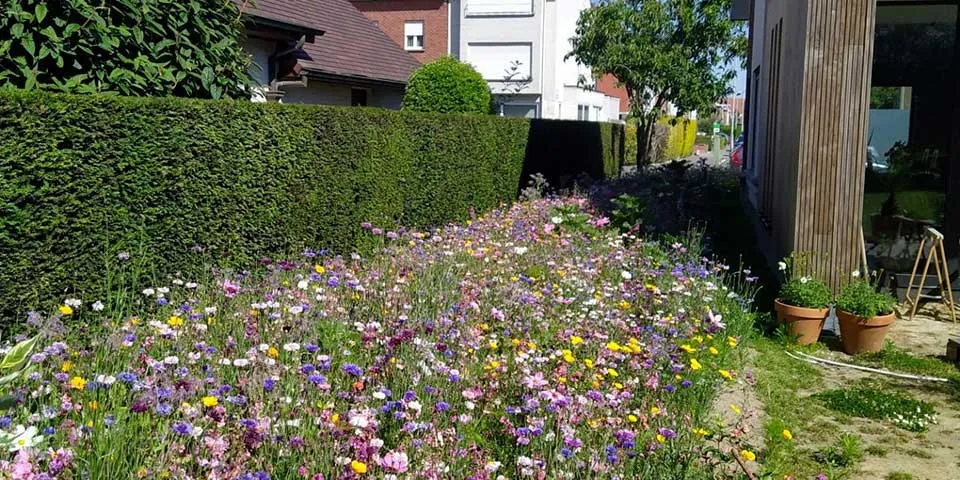
The original target of helping 500 gardens become more nature-friendly during the current term should be easily met. Just one year after the initiative launched, more than 500 applications have already been submitted and several projects completed. “The high number of applications shows that residents are willing to contribute to a biodiverse city. To respond effectively, we’re issuing a new call this year for interested experts. We want to double our team of garden coaches.”
Question about this story? Ask your question
Keep following this
Get an email when a new story is published. No account needed.
- ThemeLower-impact green space management
- SubjectGeneral







