









How to choose the right jointing material
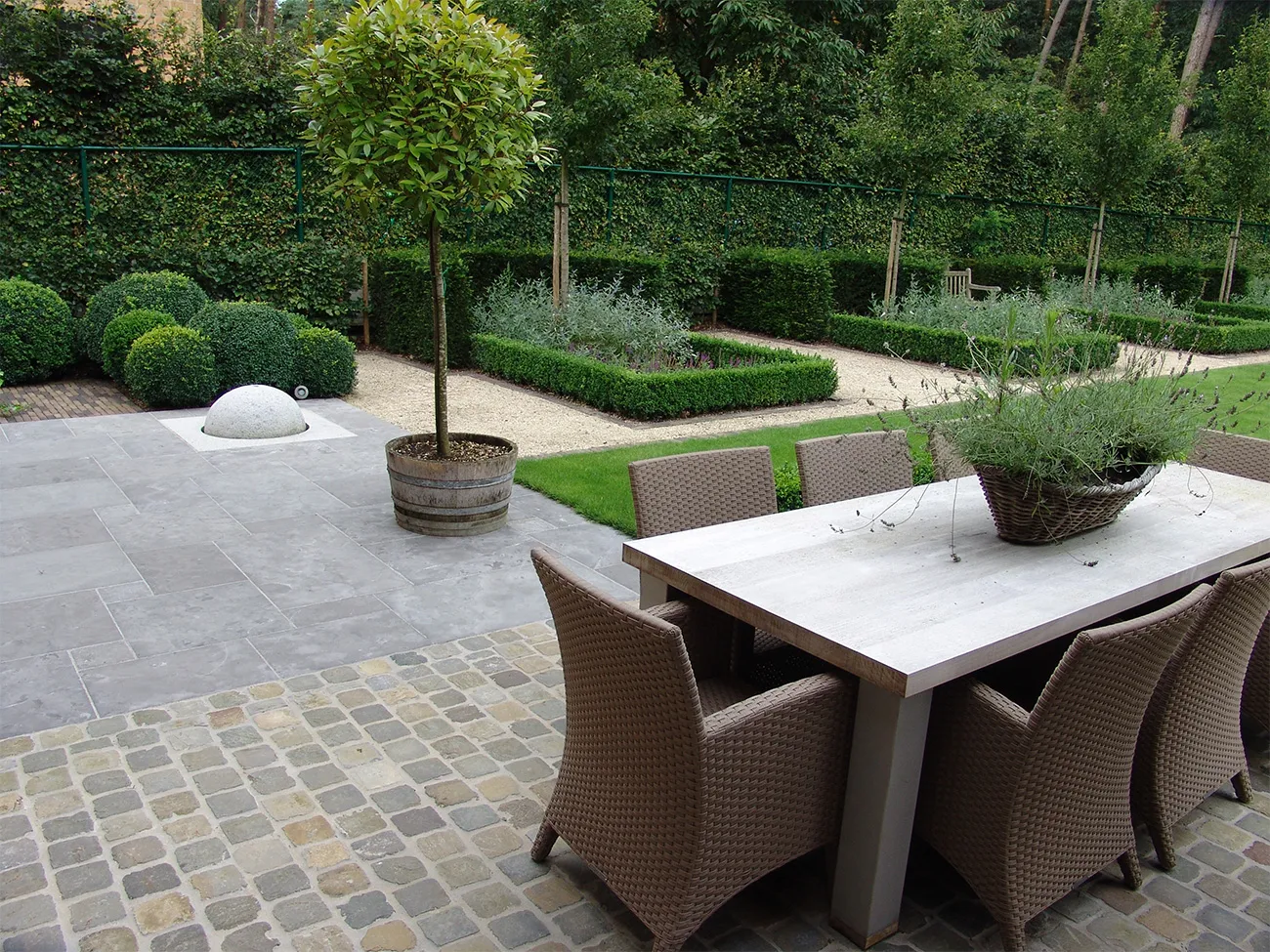
Weeds find their way into every nook and cranny, including the joints and gaps between paving blocks, tiles and other paving materials. Unless, of course, you fill those gaps perfectly with a suitable jointing material. But what exactly is a suitable jointing material? The range is now so extensive that even professionals can sometimes struggle to see the wood for the trees. Els Meynen from E.L.S. Garden guides us through the different types and key considerations.
“If you want to finish a driveway or patio so it stays weed-free, you need to use jointing materials,” says Els Meynen. “If you use sand, there is always a risk of it washing out and weeds growing, but weeds can also take hold if you use an unsuitable jointing material. This can happen, for example, when cracks develop in the joints. Weeds do not need much to get started. The slightest crack can allow airborne dirt to collect in the joint, giving weeds a chance to germinate.”
Three types
Els Meynen identifies three types of solution: cement-based jointing materials, epoxy resin-based jointing materials and elastic siloxane-based sealants. “Within the range of epoxy jointing materials, you can choose between water-resistant and water-permeable solutions. With sealants, the main thing is to make sure you select a product designed for outdoor use.”
Material
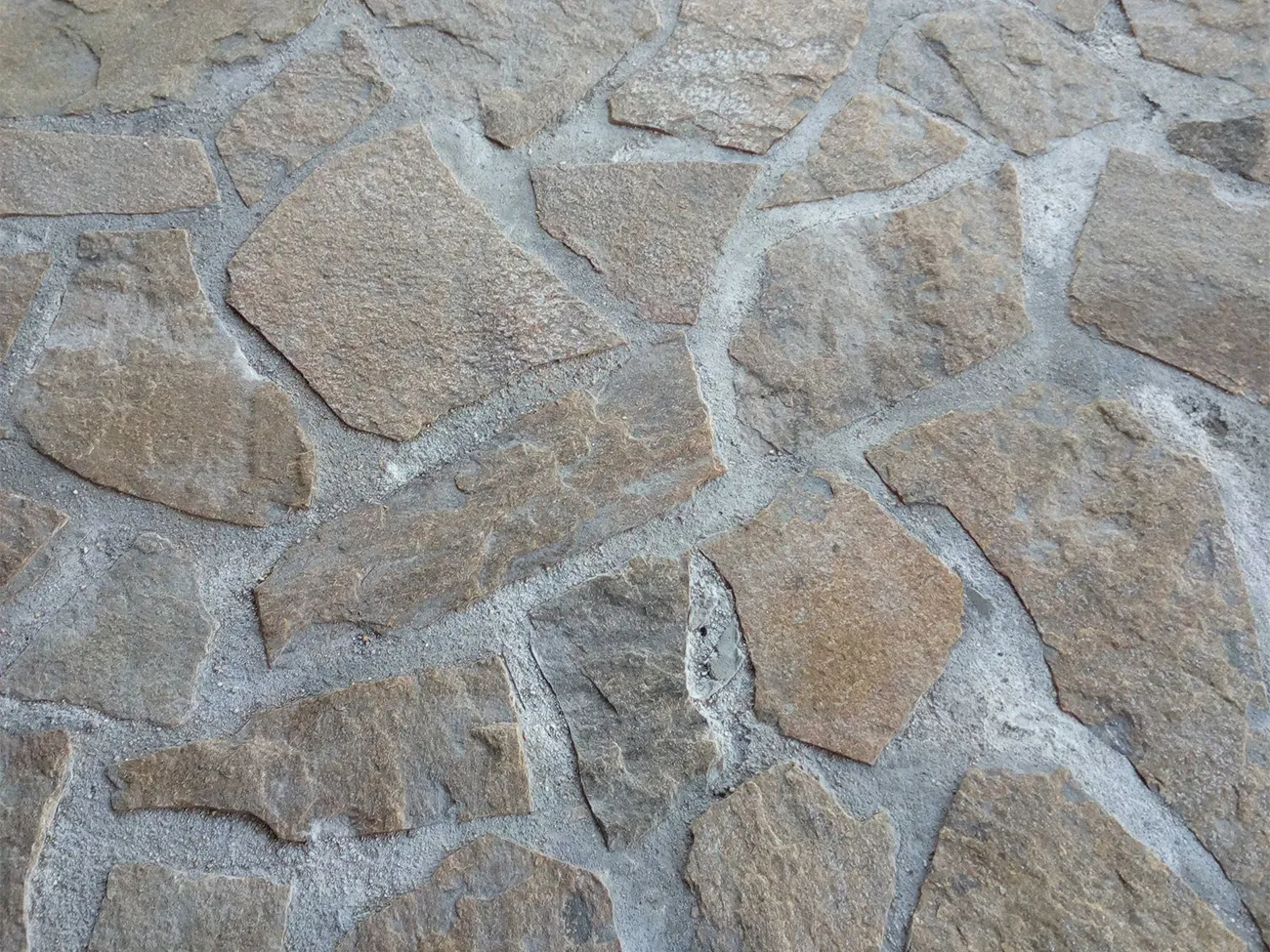
The best type to use depends partly on the paving material. “Cement-based jointing materials are perfectly suited to porous materials such as cobbles or soft natural stone, but are guaranteed to cause problems when used with ceramic tiles. The edges of these tiles are often completely smooth, which means they do not absorb water. Yet that is a requirement for cement-based jointing materials. Some of the moisture in the cement needs to be absorbed by the stone so that the material can bond within its pores. Otherwise, the joint will not expand and contract along with the tiles as temperatures change, and will eventually come loose. A simple rule of thumb is therefore to always use adhesive with ceramic materials.”
Sub-base
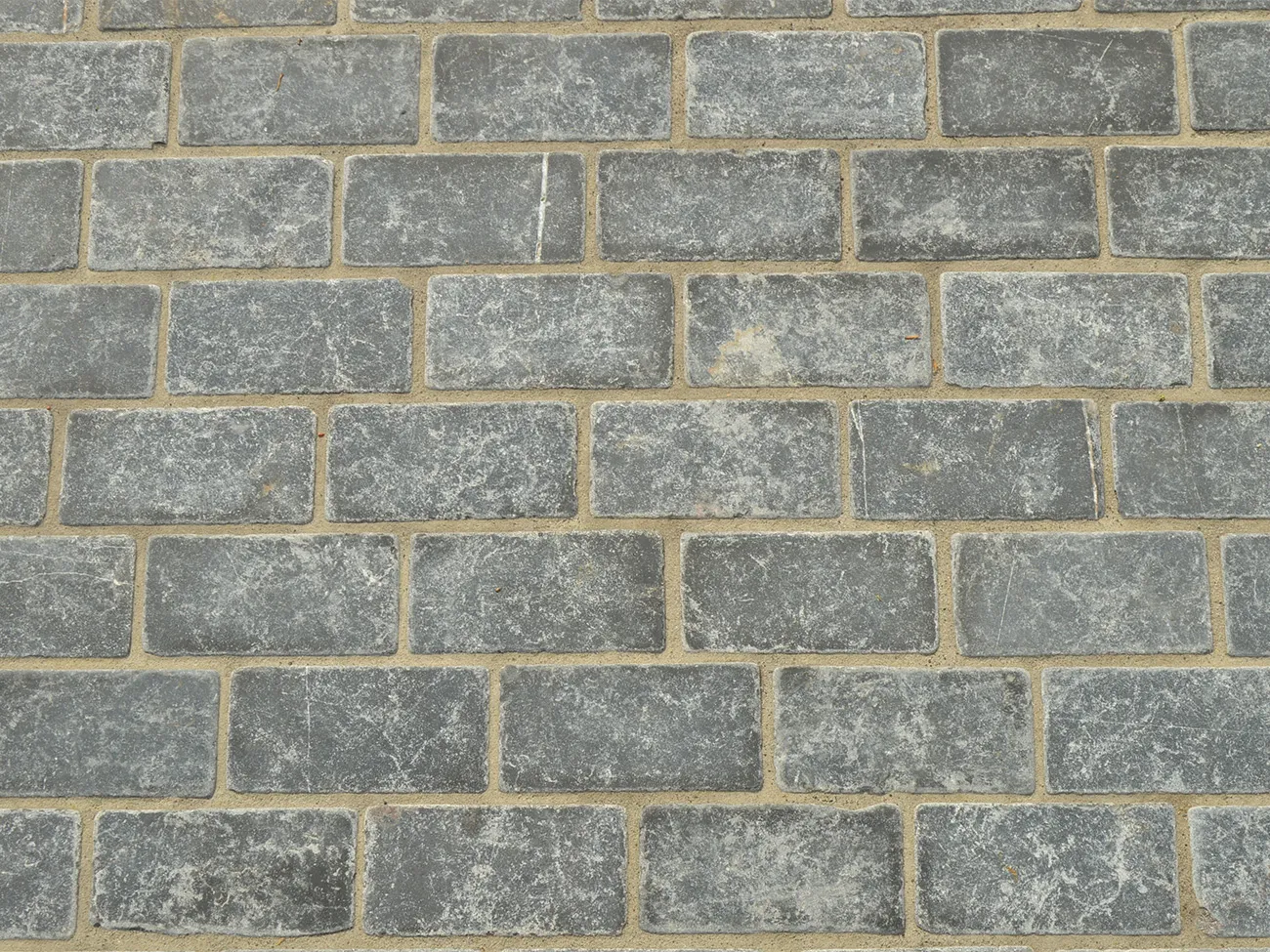
The sub-base is at least as important a factor to take into account. “If you use cement-based jointing material, you need to pay attention to stability, among other things. A cement joint on a cement-bound sub-base does not cause problems, for example, but it is a different story with a sub-base of gravel and sand. This will always move to some extent, causing stress and movement in the paving too. These are not ideal conditions for cement joints, which are relatively prone to cracking.”
Water permeability is another crucial consideration, particularly with epoxy joints. “The water-permeable version of these jointing materials should only be used if the sub-base is also water-permeable. If you use this type on a mortar bed, moisture will seep through the joints beneath the paving, leading to frost damage and loose tiles. A water-resistant sub-base always requires a water-resistant joint.”
And what if there is no sub-base, as with the rounded edges of swimming pool coping? “In that case, a sealant joint is recommended. It bonds to the different materials and remains intact even when exposed to water. In theory, you could also use sealant for the rest of the patio, although depending on the area and tile size, this could be a very time-consuming job.”
Joint width
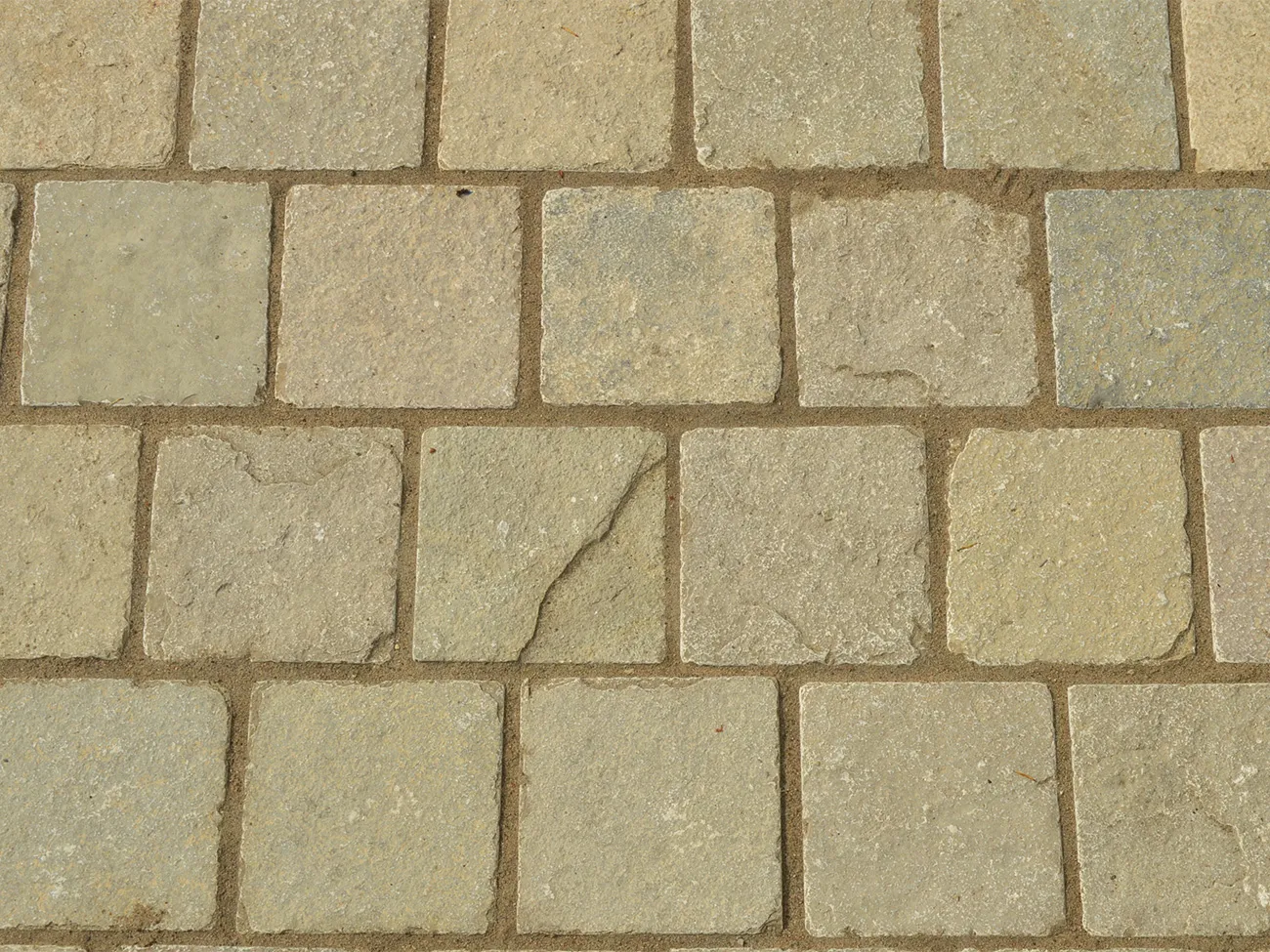
Each product has its own specifications for joint width and depth, but Els Meynen recommends a minimum width of 0.5 centimetres and a depth of 2 centimetres for cement joints. Epoxy joints can often be made narrower.
“The biggest challenge is working out how much jointing material you actually need. This depends on the area, the dimensions of the tiles, and the width and depth of the joints. Fortunately, there are tools available to make this calculation easier.”
Colour
Each range comes in a choice of colours and pigments, from ivory, beige and light grey to basalt and anthracite. This makes it possible to match the colour of the joint to the paving, although Els Meynen cautions that colours used outdoors are always subject to change. “Some colours can leach in the sun, but dirt has the greatest impact. It will often cause joints to darken over time.”
Question about this story? Ask your question
Companies in this story

Keep following this
Get an email when a new story is published. No account needed.
- ThemeLower-impact green space management
- SubjectGeneral
- CompanyE.L.S. Garden







