









GV Sustainability Compass
Text and images Golf Vlaanderen
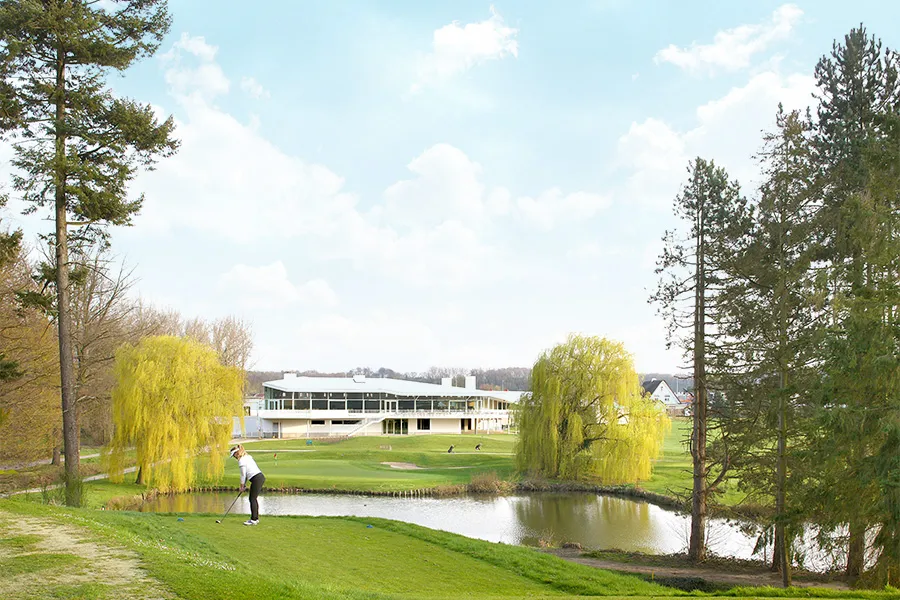
Standing still means going backwards. Around the world, people are working hard on sustainability. Those who stand still will be overwhelmed by the already familiar effects of global warming. They will also be overtaken by rapidly changing social expectations. Golf clubs are anything but standing still, and through the GV Sustainability Compass, Golf Vlaanderen aims to provide even better support to its clubs.
How did the Golf Sustainability Compass come about?
Twenty years ago, the then Flemish Association for Golf launched a press pack entitled ‘Golf & Nature, hand in hand’. Secretary General Marc Verneirt is a biologist by training and has a keen interest in golf. With the press pack, the federation helped change how the outside world viewed the social value of a golf course. It also encouraged golf clubs to reflect more on their role in society.
The focus is shifting from an environmental and technical approach to a more comprehensive story of sustainability and social responsibility. What does a golf club mean to society, and what can society mean to a club? To bring this together and motivate clubs, an accessible compass was developed in collaboration with consultancy Route 2030. Route 2030 helps organisations transform into sustainable businesses. The compass was developed following a review involving golf clubs and Golf Vlaanderen. We found that a great deal is already being done in the area of sustainability, sometimes without clubs even realising it. That is why we want to give clubs practical guidance. The compass explains what sustainability can mean and where clubs can make a difference. Its purpose is not to impose even stricter regulations, but to point the way so that every club can take action on sustainability within its own context and at its own level. We want to show all types of clubs what sustainability can mean for them, and how the SDGs (Sustainable Development Goals) can be translated into practical examples. We have developed a menu of options that clubs can work through step by step to introduce new initiatives. It is a kind of workbook bringing together a wealth of information.
Nine clubs already earn their first stars
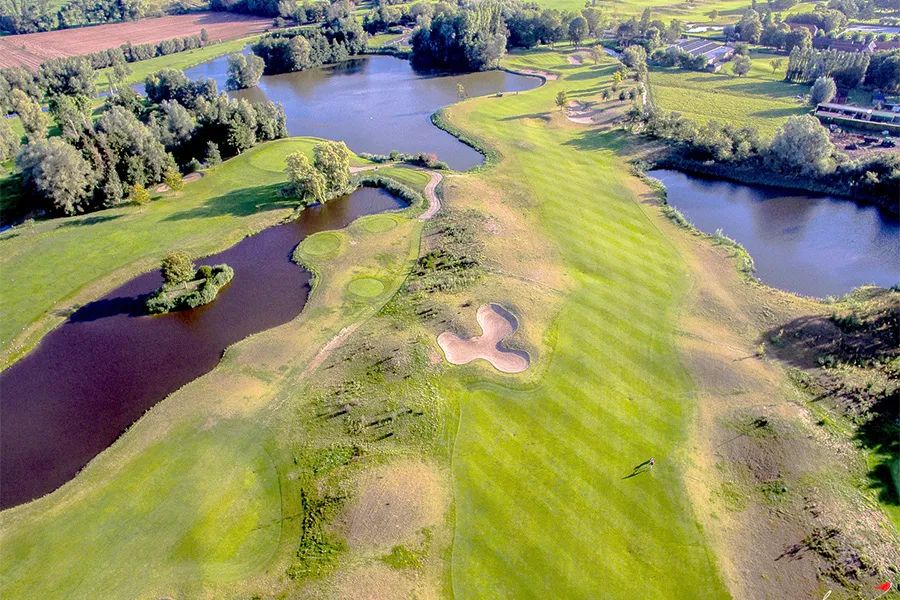
At the Annual General Meeting on 22 March, nine golf clubs were recognised for their commitment to sustainability.
- Golfclub Beveren
- Royal Keerbergen Golf Club
- Steenhoven Country Club
- Royal Antwerp Golf Club
- Ieper Open Golf
- Rinkven Golf Club
- Brabantse Golf
- Winge Golf & Country Club
- Damme Golf & Country Club
How do you earn stars?
All Flemish golf clubs can attend an inspiration session on the Sustainability Compass. After the session, they set themselves five specific goals, or Golf Goals. Once they have achieved these goals, they earn their first star. If they then take on another five goals, they earn two stars. Clubs that embrace and implement all seventeen criteria, or SDGs, are awarded the maximum of three stars.
Some examples of initiatives
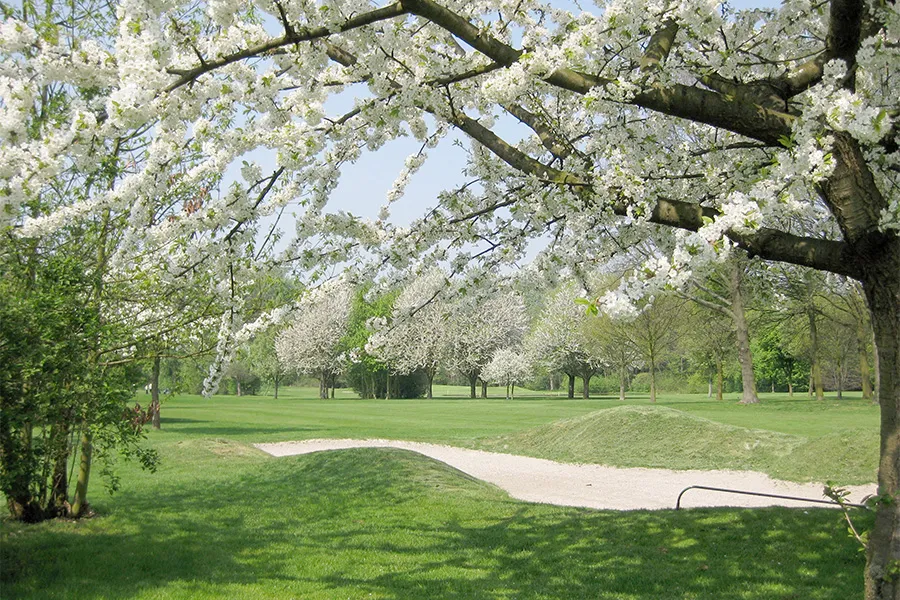
Golf clubs are demonstrating their versatility by working towards various SDGs in the Sustainability Compass, resulting in a wide range of sustainability initiatives.
Damme Golf & Country Club has ambitious plans to strengthen its commitment to sustainability. The planned installation of more than 150 solar panels on the indoor building will be an important step towards green energy. This environmentally friendly investment will not only reduce the golf course’s ecological footprint, but also contribute to a sustainable future for the local community.
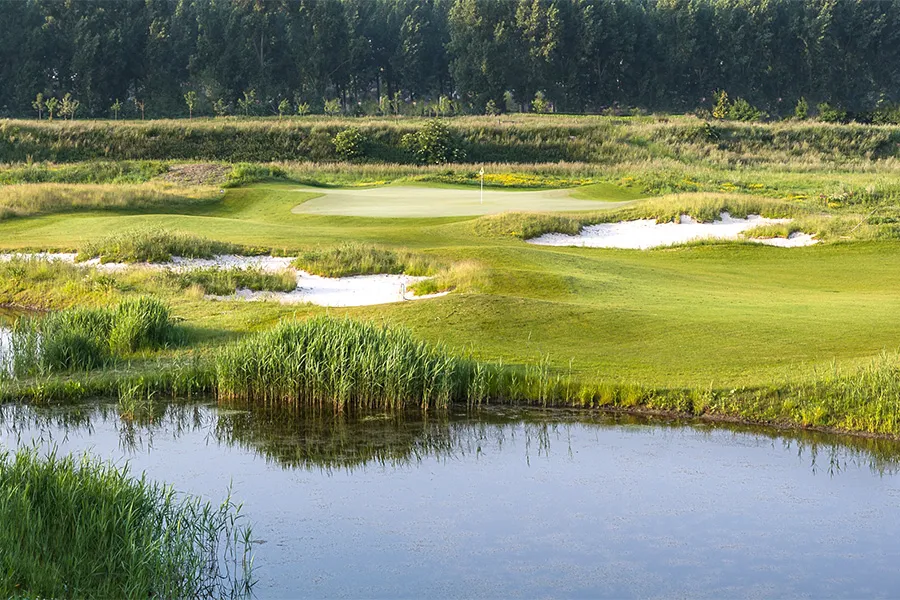
Winge Golf & Country Club has an inspiring monthly partnership with the UZ Pellenberg rehabilitation centre. This unique collaboration gives people the opportunity to enjoy the sporting and relaxing benefits of golf as they recover. It is a valuable initiative that combines physical and mental wellbeing with the golf course’s beautiful green surroundings.
Brabantse Golf and Brussels Airport have enjoyed a fruitful partnership on sustainability for many years. One notable initiative arising from this collaboration is the use of rainwater from the airport. The water is collected in a retention basin, purified and then used to irrigate the golf course, allowing it to infiltrate back into the soil. This innovative approach not only promotes effective water management, but also supports the ecological balance between the golf course and its surroundings.
Question about this story? Ask your question
Keep following this
Get an email when a new story is published. No account needed.
- ThemeKeeping golf courses playable all year round
- SubjectGeneral







