









Green professionals can help prevent a devastating outbreak
Report suspected plant diseases easily online.
Anyone who spots an unfamiliar plant disease or pest in their garden or neighbourhood can now identify and report the suspected pathogen using the new Beware&Note application on the waarnemingen.be website. The Institute for Agricultural, Fisheries and Food Research (ILVO), the Proefcentrum voor Sierteelt (PCS) and Natuurpunt Studie hope to involve citizens, scientists and professionals in protecting our green spaces from non-native diseases and pests.
A plant disease or pathogen is classified as a quarantine organism (or Q organism) when EU legislation considers it harmful to plant health. These Q organisms are not native to the EU, or occur only in certain areas, and their spread to other areas through trade can cause major economic and ecological damage. Policies therefore seek to prevent the introduction and further spread of such organisms. One measure to achieve this is reporting suspected introductions.
Your help is needed
ILVO, PCS and Natuurpunt are now calling on nature volunteers, as well as garden enthusiasts, students, scientists, green professionals and professionals in agriculture, horticulture and forestry to help speed up this process. They can use the Beware&Note warning system to look up what they think they have seen. The new online tool (www.waarnemingen.be/species/Q-organismen) makes it quick and easy to identify and report these Q organisms. This enables the relevant authorities and managers of forests, nature areas, agricultural land and horticultural sites and plots to take action sooner.
The immense value of reports from members of the public about suspected organisms has already been demonstrated. In 2006, a bonsai enthusiast reported an unusual beetle he had found on a small bonsai tree in Geraardsbergen. It soon became clear that it was a citrus longhorn beetle, a non-native beetle that can cause serious damage to a wide range of broadleaved trees. It had been imported from Asia with the tree. The beetle and tree were placed in quarantine, and fortunately no other eggs or larvae were found. In the Netherlands, around 270,000 plants had to be destroyed in 2007 and 2009 following an outbreak of a similar Asian longhorn beetle species in residential areas. The quick response of the man from Geraardsbergen therefore prevented a great deal of damage.
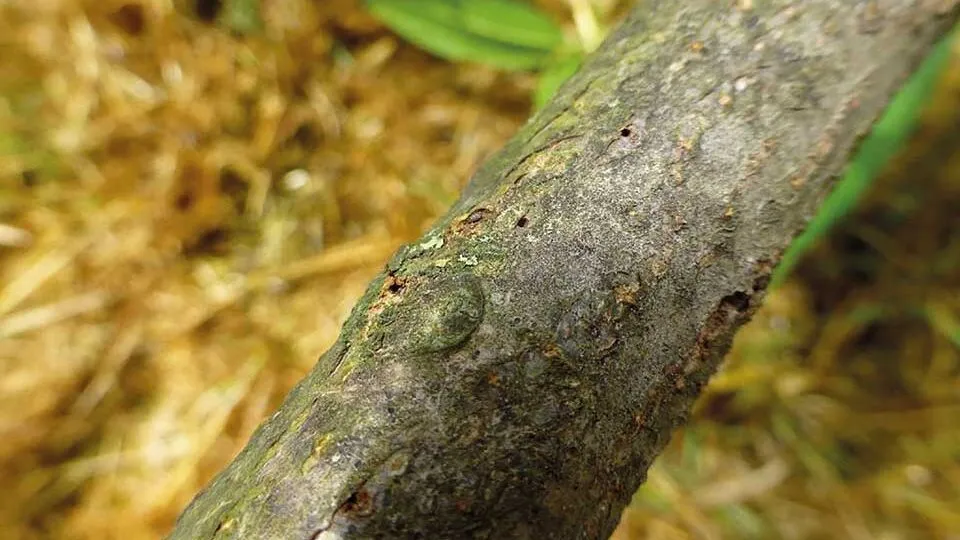
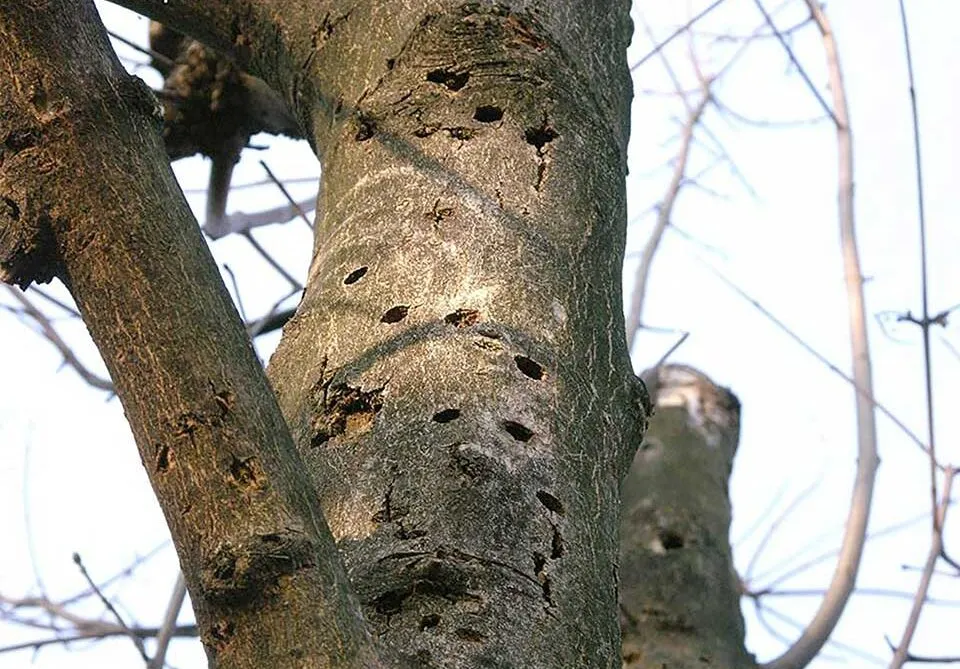
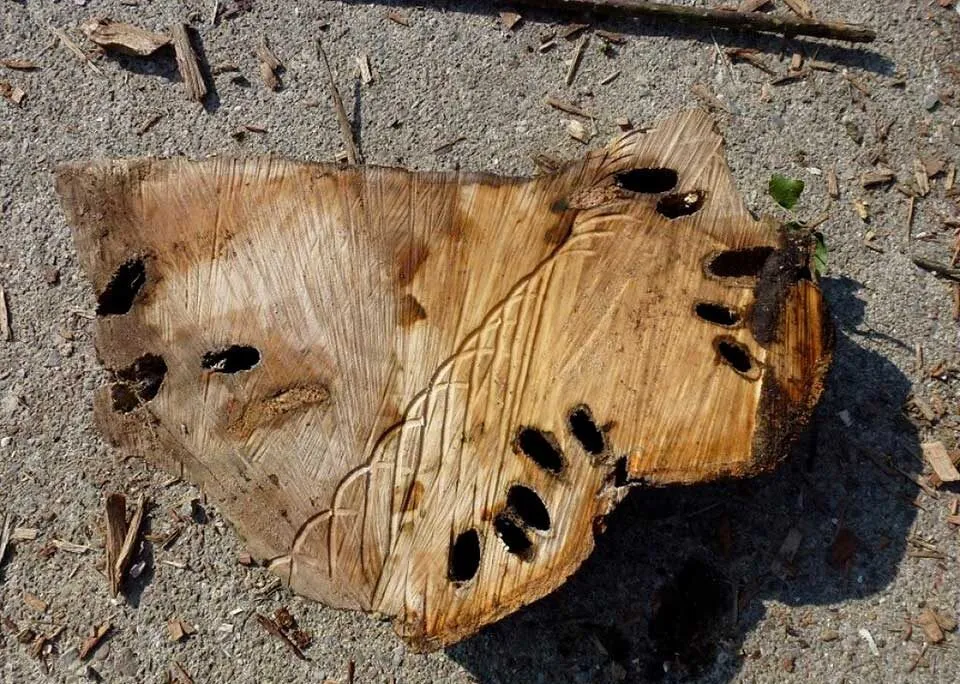
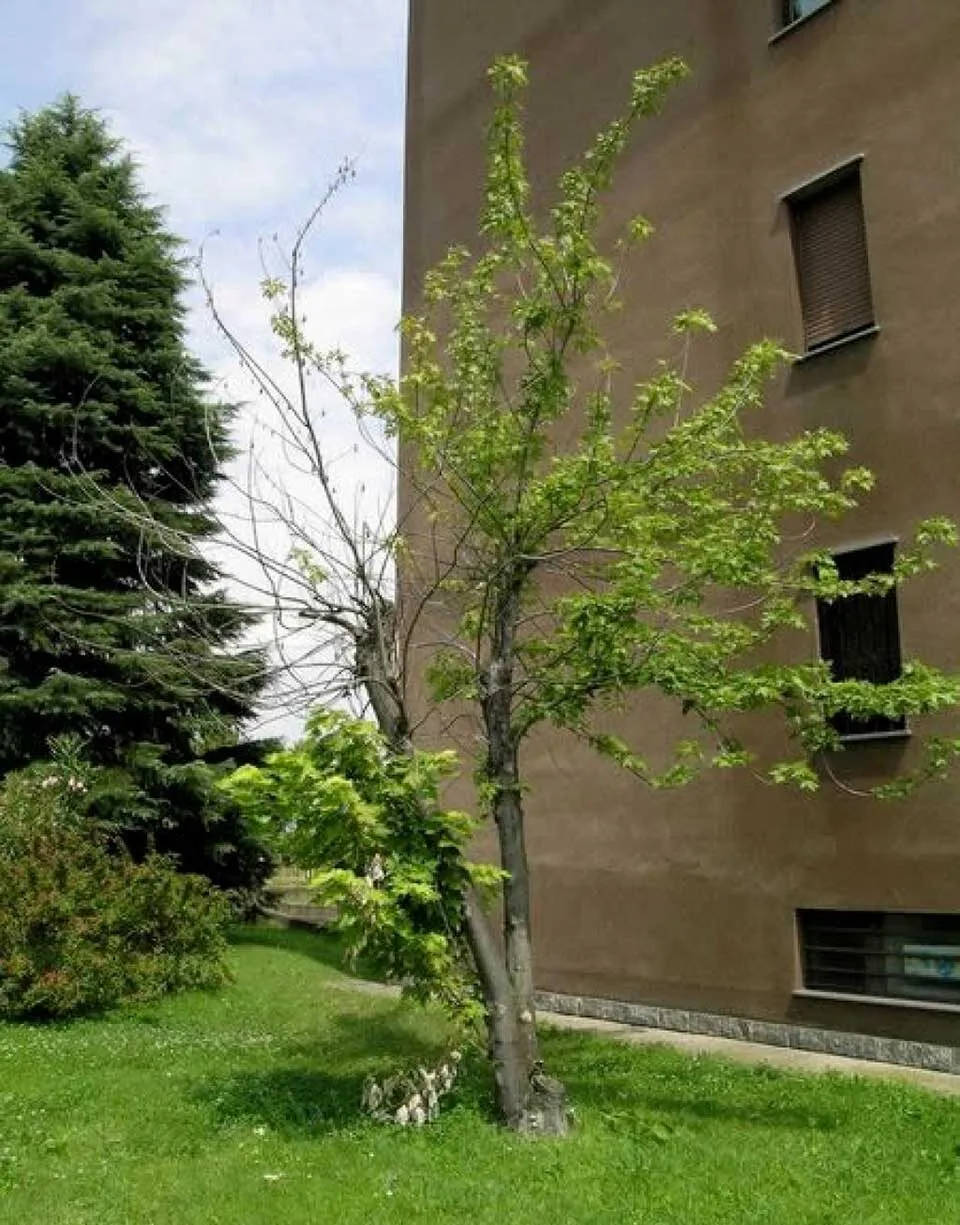
Sometimes disease symptoms are caused by a combination of pathogens, as in thousand cankers disease in walnut trees. The culprits are a combination of a tiny bark beetle (Pityophthorus juglandis), which acts as a vector, and a fungus (Geosmithia morbida). The bark beetle larvae carry the fungus on their bodies, and as they tunnel into the branches of walnut trees, they spread it through the tree. Neither organism is harmful on its own, but together they can kill a healthy, mature tree within three or four years. In our region, Juglans regia, the common walnut, is the most widespread species. An outbreak of thousand cankers disease in Flanders could result in a large proportion of these trees dying or having to be removed. Consider the outbreaks of Dutch elm disease in the 1930s and again in the 2000s, when around 60% of elm trees died.
How does the new app work?
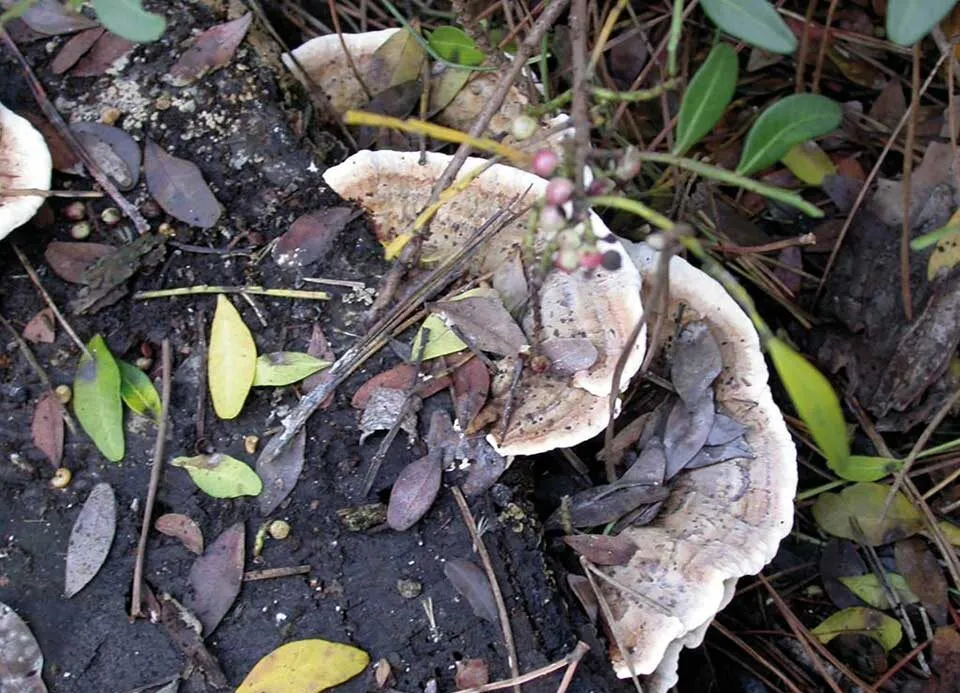
Suppose you come across conifers showing signs of drying out, with mushrooms growing on the trunks during a walk. Log in to Beware&Note and filter the harmful-organism database for coniferous trees (‘Coniferous trees’).
You get two suggestions and think it may be the aptly named fungus ‘pine killer’ (Heterobasidion irregulare). The accompanying fact sheets, under the ‘Identification’ button, explain, among other things, the symptoms caused by the fungus and list the plant species it can infect. If, after reading this information, you are indeed convinced that it is pine killer, simply click ‘I have seen this species!’ to report your sighting. You can also submit a photo for verification by an expert from ILVO or Natuurpunt. If you wish, you can receive further updates about the sighting. Users can select the crops and regions they are interested in and receive alerts when a Q organism is found there (via www.waarnemingen.be/species/Q-organismen/alerts/).
Action only after verification by experts
When a report is submitted, it is forwarded to experts at ILVO. If it is unclear whether the photo shows a Q organism, a sample is taken on site. Only once the experts are sure of the identification does the Federal Agency for the Safety of the Food Chain (FAVV), together with the owner or manager of the infected greenery, decide what measures need to be taken. These can range from felling trees to destroying all crops within a given radius. As such emergency measures can be quite far-reaching, it is crucial that every report of a Q organism is checked for authenticity, and that no further steps are taken until the experts have verified it and the authorities have given their approval.
Question about this story? Ask your question
Keep following this
Get an email when a new story is published. No account needed.
- SubjectGeneral







