









From pioneering work in 2002 to a BIB revolution in 2026
Text Expo-Line / Kris VandekerckhoveImage Expo-Line

Line marking can be far more circular, smarter and more economical
Anyone responsible for maintaining sports pitches has known for a long time that innovations in line marking are not a luxury, but an absolute necessity. Pitches are used more intensively, volunteers are harder to find, materials are more expensive, and the bar for sustainability keeps rising year after year.
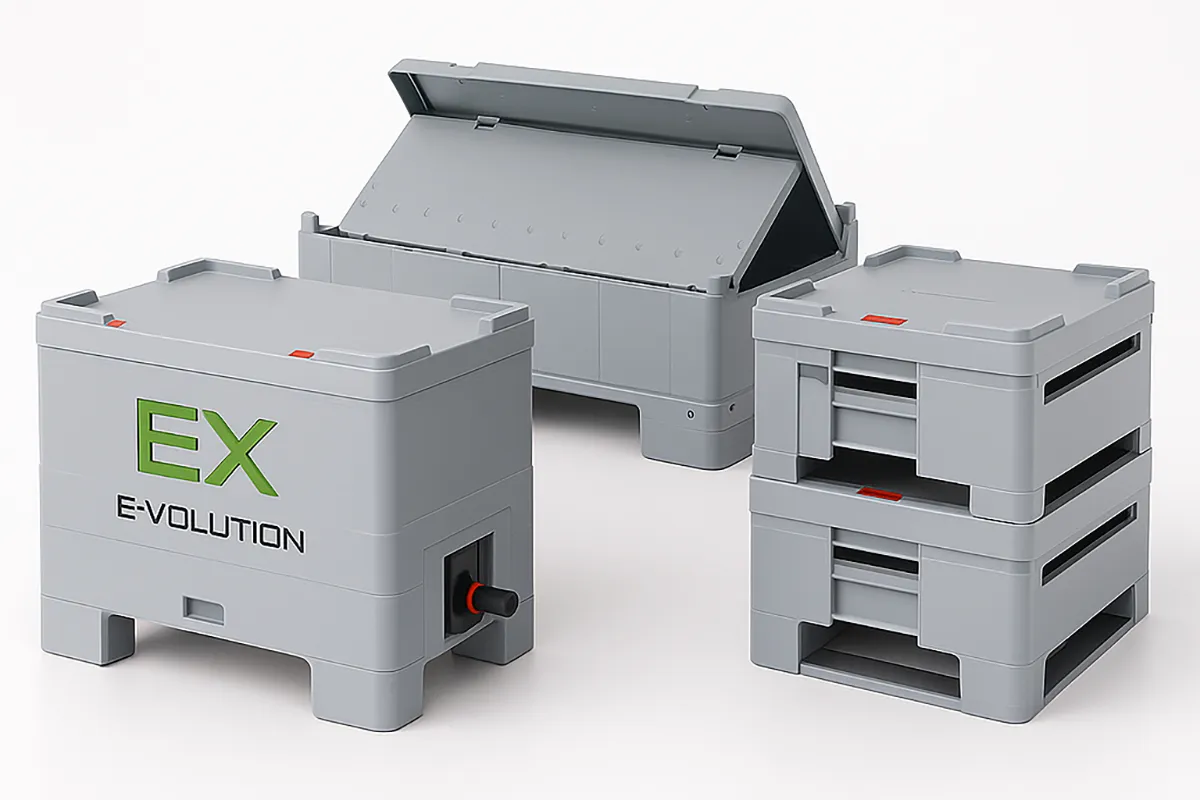
In response, Expo-Line is taking a major step forward in 2026 with the Tankunit Next Generation, a circular Bag-in-Box system that dramatically cuts paint consumption, eliminates plastic waste and reduces maintenance almost to zero. This is not an isolated innovation, but the latest step in an evolution that began more than twenty years ago.
2002: the first tank units, pioneering work with impact
In 2002, Expo-Line became the first company in Europe to introduce fixed tank units at football clubs. The idea was radically innovative: deliver paint in bulk and let clubs dispense what they needed. The result? Less packaging, less waste and a far more efficient workflow.
But pioneering work also comes with limitations. Temperature fluctuations, half-full tanks, condensation, oxidation and bacterial growth made it clear that the technology would eventually need to evolve. The foundations were sound, but the sector was ready for the next step.
The second revolution: Brilliant Performance, paint that halves consumption
Circular packaging only makes sense if the paint itself becomes much more efficient. That is why Expo-Line developed Brilliant Performance, now one of Europe’s highest-rated line-marking paints. Groundsmen, including Luke Russell of Leicester City, particularly praise its:
- Ultra-high coverage: up to 50% lower consumption;
- No sediment, no lumps, and no need to shake or mix;
- Fast drying and high resistance to rain
- Stable viscosity that keeps blockages to a minimum;
Full compatibility with robotic and E-Marker technology.
The effect is impressive. Clubs that used to consume 1,000 to 1,500 litres per season now often use just 250 to 500 litres. However, this low consumption raised a new issue: traditional packaging suddenly became the least efficient part of the line-marking chain.
The third revolution: a circular Bag-in-Box for 2026
That is why Expo-Line is introducing the Tankunit Next Generation in 2026: a fully circular system with a reusable outer container and a vacuum-sealed inner bag (liner) that prevents oxygen from getting in. Benefits compared with IBCs and jerrycans:
- No oxidation or spoilage, even at high temperatures;
- Virtually no plastic waste (the liner is recyclable, the box reusable);
- 30 to 40% less transport thanks to stackable containers;
- No need for a dedicated tanker;
- Fresh paint down to the last drop;
- Compatible with all line-marking machines and robots.
The system is therefore the logical successor to the tank units introduced in 2002, but circular, modular and tailored to today’s paint consumption.
Smart line marking: the role of the E-Marker
The Tankunit Next Generation does not work in isolation. Together with Brilliant Performance, the E-Marker, Expo-Line’s electric line-marking machine with digital pressure control, forms an integrated ecosystem. This gives clubs a line-marking process with precise dosing, low consumption and reliable line quality. Continuous control of pressure and atomisation keeps lines consistent, whatever the weather, while reducing waste. The data function also gives clubs insight into the number of lines marked, consumption and efficiency, while maintenance is kept to a minimum thanks to the diaphragm pump and unique spray technology.
Why clubs notice the difference
The challenges facing sports clubs are real: rising costs, stricter sustainability criteria, pressure on volunteers and pitches being used more intensively than ever. A system that generates less plastic waste, reduces the physical burden on volunteers, cuts transport and CO2 emissions, and improves line quality at the same time, therefore offers immediate added value. Clubs using the prototypes describe the process as simpler, cleaner and more consistent. It is a step forward that meets the needs of modern sports infrastructure.
Pilot clubs in Belgium and neighbouring countries
The first clubs are already using the Tankunit Next Generation prototypes. Their feedback is strikingly unanimous: operation is more intuitive, the surroundings stay cleaner and waste is drastically reduced. The official launch will follow in 2026, through selected dealers and subscription plans for clubs.
Question about this story? Ask your question
Keep following this
Get an email when a new story is published. No account needed.
- ThemeSports pitches under heavy use
- SubjectGeneral







