









Environmentally friendly control of invasive species
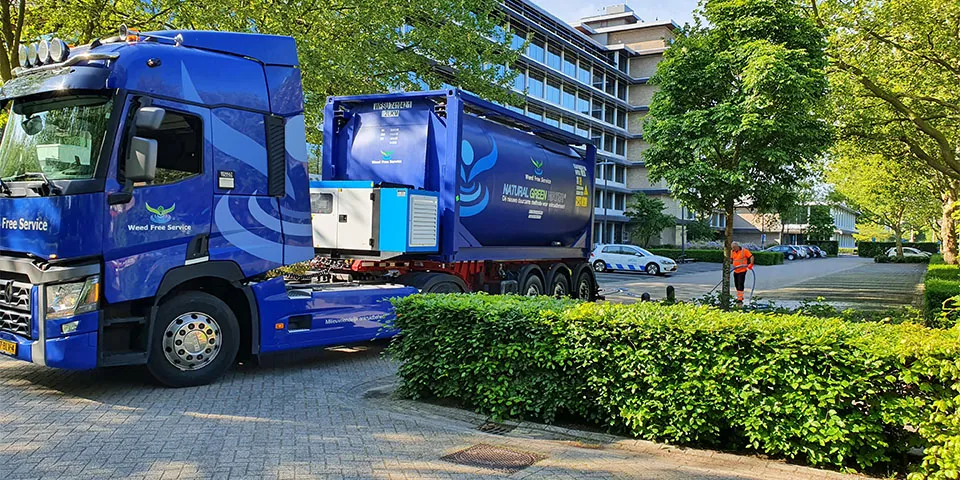
Weed Free Service uses ‘plain’ very hot water
Don’t dismiss invasive species such as giant hogweed or Japanese knotweed as mere weeds. Unlike the often harmless clovers and thistles, these non-native species can cause considerable damage and require a targeted, sustained approach. Dutch company Weed Free Service supports public authorities and local councils across Europe with efficient, environmentally friendly control methods.
Anyone who has come into contact with giant hogweed knows that invasive species are more than just a nuisance. Contact with the sap of this Heracleum can cause severe burns, while other invasive species such as Japanese knotweed and New Zealand pigmyweed mainly hinder the growth of native plants. Japanese knotweed is also relentless, breaking through asphalt, paving joints and roads with ease. Controlling and managing these harmful, fast-spreading plants is a specialist job. Weed Free Service combines more than eight years of expertise with, among other things, a huge supply of hot water.
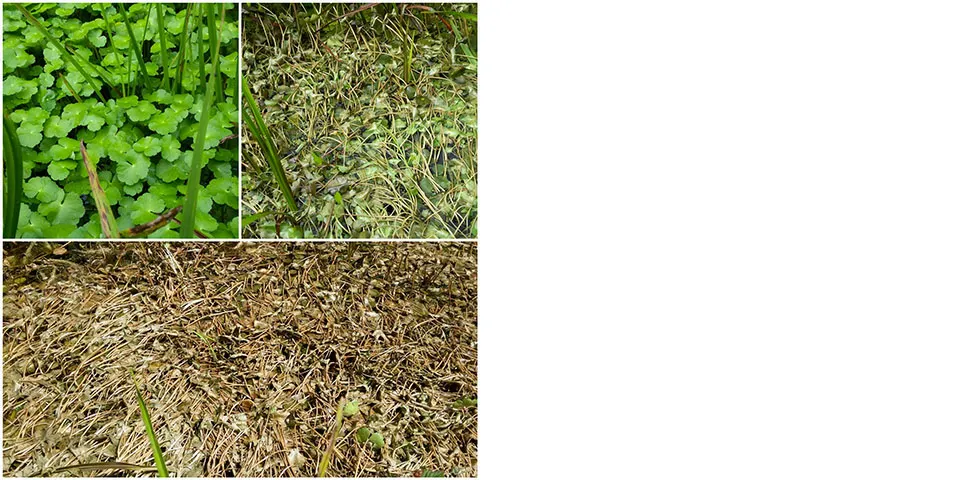
Controlling invasive species takes time. Weed Free Service tracks progress using the ISRP monitoring tool.
Hot water?
Targeted application of boiling water breaks down plant cells efficiently and in an environmentally friendly way. This method can be used on both giant hogweed and New Zealand pigmyweed. To control Japanese knotweed, Weed Free Service has even developed unique technology that boils the root system entirely underground.
To ensure effective control, the company has access to very large quantities of rainwater, which is heated to around 104°C at a biomass plant and then transported to the site in a fleet of insulated tankers. This makes it possible to treat an area of more than 1,000 m2 per day.
A question of time
However, it is important to remember that controlling invasive species always takes time. New Zealand pigmyweed and giant hogweed can be successfully eradicated in around two years, while Asian invasive plants generally take a little longer.
Weed Free Service therefore always takes a results-driven, long-term approach. It works closely with clients, monitoring initial results, expectations and any further interventions together. The company recently started using ISRP (Invasive Species Reduction Program) for this purpose. This web-based monitoring tool provides an overview of and information on the plants themselves, the treatments and the progress of control efforts, and makes it easy to schedule further interventions. This enables public authorities and businesses to keep invasive species threatening their sites under control in the long term.
Question about this story? Ask your question
Keep following this
Get an email when a new story is published. No account needed.
- ThemeLower-impact green space management
- SubjectGeneral







