









Bespoke street furniture completes the picture
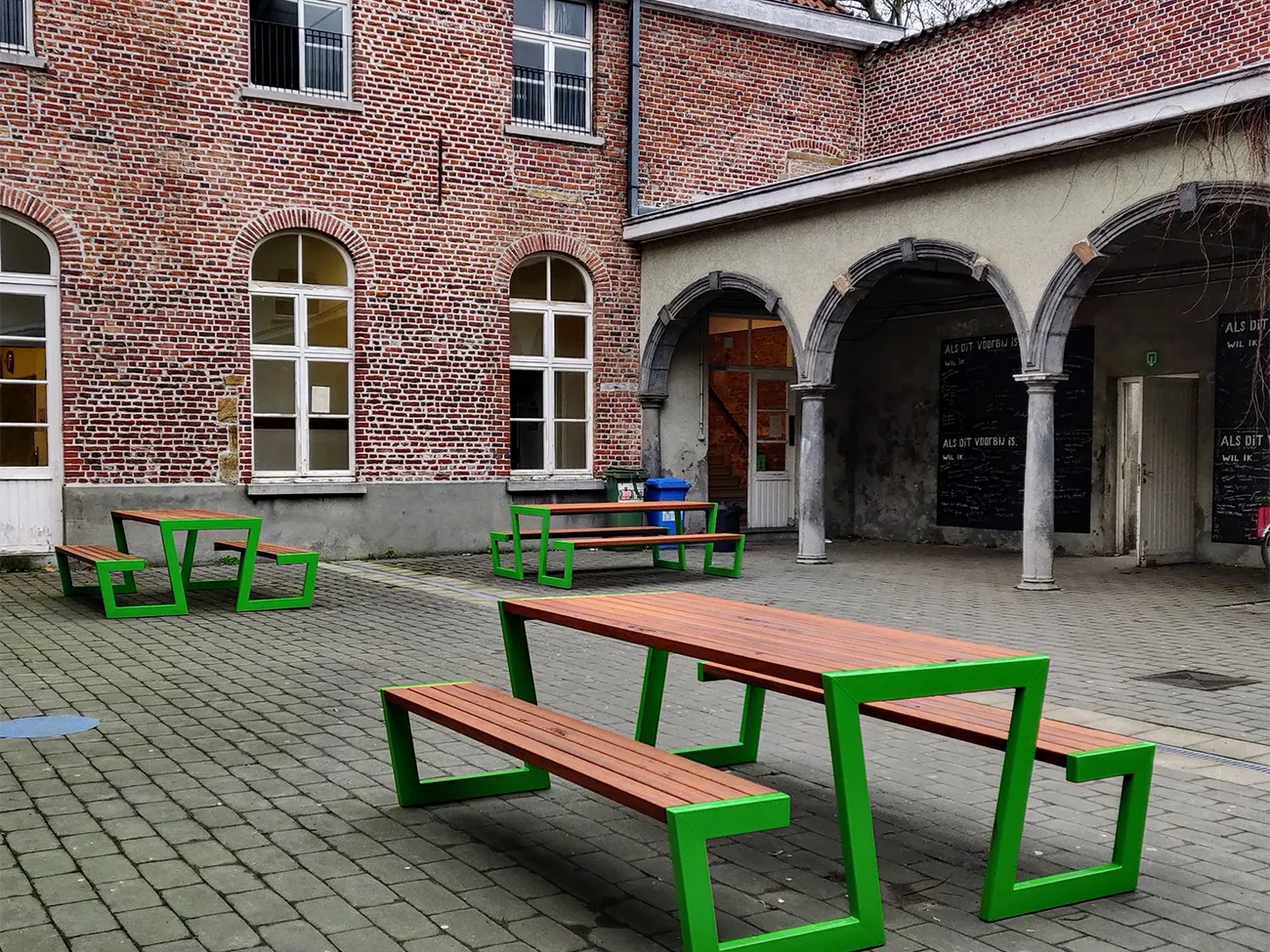
Gardens, parks and other green spaces, whether public or private, are not just there to be looked at. For people to enjoy them to the full, they also need to be designed with functionality in mind. That means making sure the so-called street furniture is not overlooked. Think of litter bins and cycle parking in public spaces, as well as benches and letterboxes in private gardens. Ideally, these should be incorporated into the design concept from the outset.
In recent years, there has been a growing awareness that street furniture is more than just an afterthought. That is what the team at West Flanders-based Metaalwaren Claerbout has observed. The trade supplier of ironmongery, building hardware and machinery noticed that litter bins and other street furniture were increasingly being included in specifications, and significantly expanded its range in response. The company now has a dedicated department for street furniture, with a comprehensive range for both private gardens and public projects, as well as the necessary knowledge and expertise. Sales manager Steven Delaere shares some insights and tips.
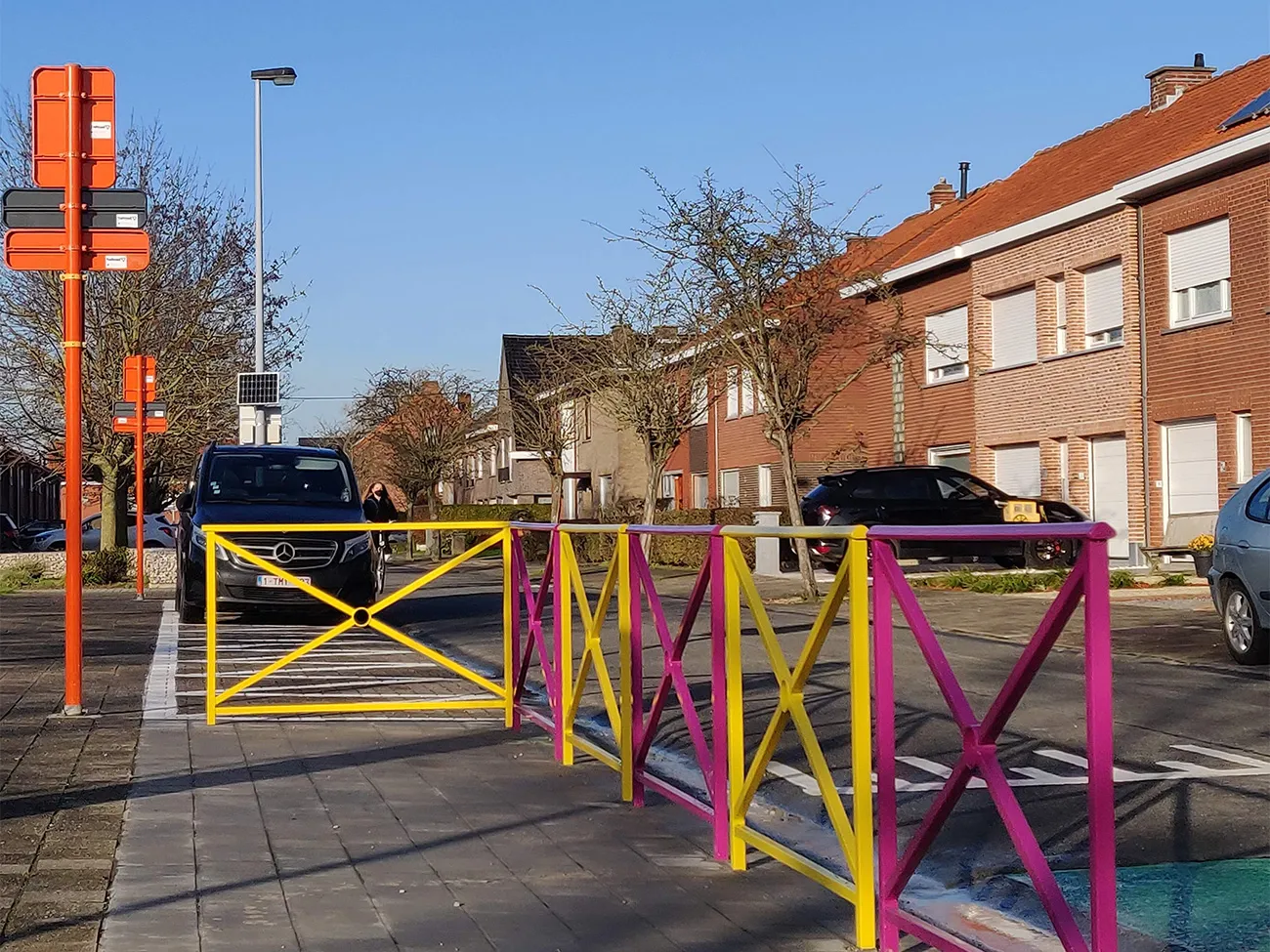
Put your own stamp on the garden …
“In a garden, the same items are generally installed every time: a letterbox, a boundary fence and, perhaps, a bench. Usually, there is no need for any other furniture. However, a lot of attention is paid to how these items look. The letterbox, for example, has long been regarded as a personal calling card for the homeowner.”
Delaere says there are a number of clear trends. “Think of the many solutions in Corten steel or the sleek black parcel letterboxes that you see appearing here and there today. Our stainless steel models can also be powder-coated in a range of RAL colours, or personalised with a name and/or house number on request. We are also developing a complete range in lighter, more affordable aluminium.”
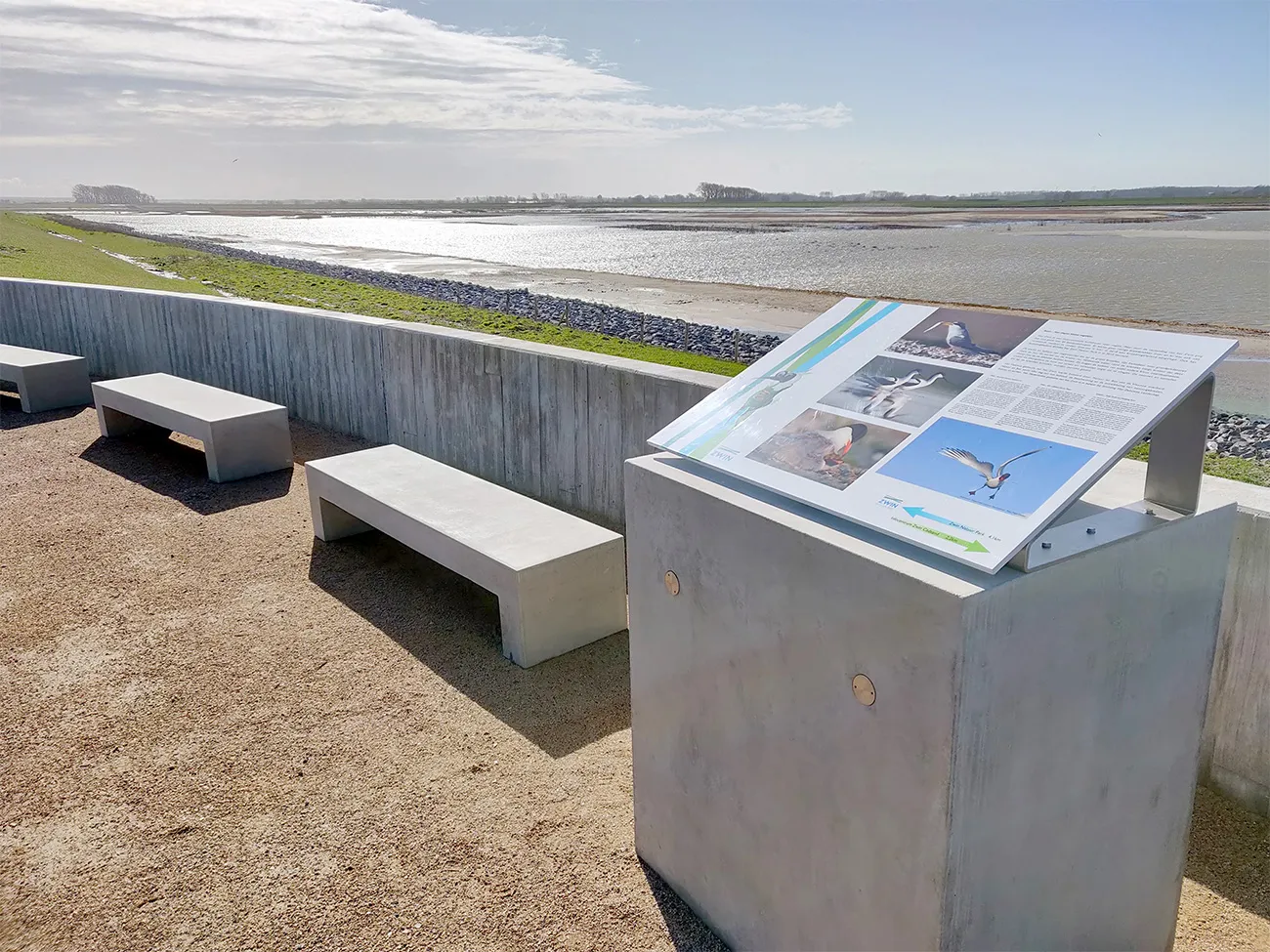
… or create a sense of unity in the city
For larger projects, from business premises to public spaces, Delaere says individuality should take more of a back seat. “In the past, a new choice of litter bins or benches was regularly made for every street or neighbourhood project, or with each new term of office. Given how much street furniture has accumulated in public spaces, this sometimes resulted in an unmistakable mishmash.”
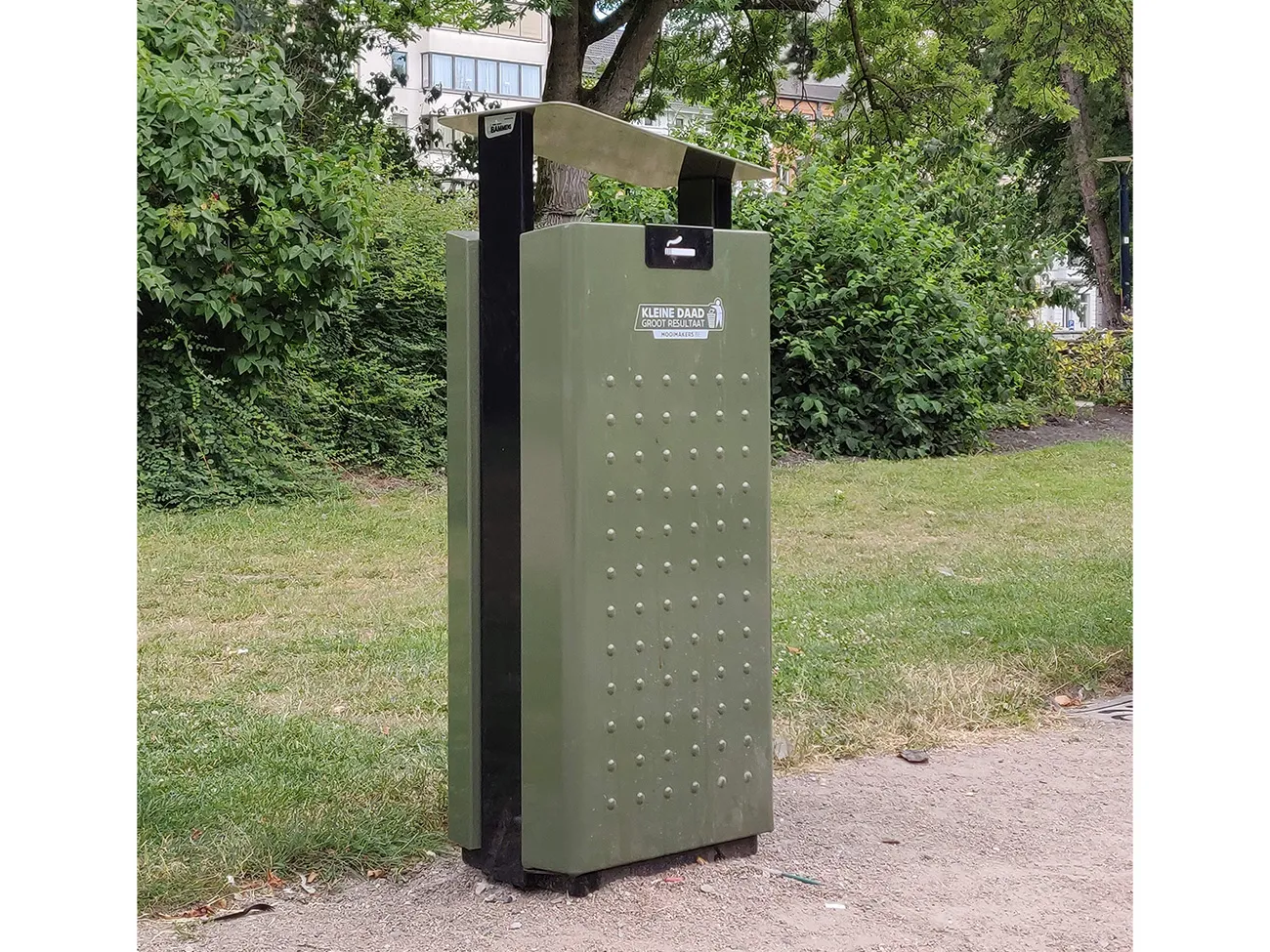
The City of Ghent is one example of the growing focus on visual consistency. “The city council has decided to replace its entire stock of litter bins with the same model over the next five years, creating a calmer, more unified look across the city.”
Tailored to the surroundings
Delaere emphasises the importance of functionality and durability, particularly in public spaces. Above all, however, the choice of materials must always take account of the setting in which the furniture will be used. “Some settings are naturally more challenging than others. In a public space, for example, there is always a greater risk of vandalism. In coastal areas, you need to be especially careful with elements prone to rust, whether the project is public or private. The same applies to wood in damp settings such as forests or informal gardens. Choosing the right materials is not always straightforward, so we are happy to advise our customers whenever needed.”
Finally, street furniture must also be sized to suit its surroundings. “The major European manufacturers work to standard dimensions. If the dimensions need to be changed, this is generally only possible for large production runs. That is no problem for public projects, but businesses and private customers, who often want a little more room to tailor things to their needs, naturally have little use for that. That is why we are increasingly focusing on in-house production, which allows us to respond more flexibly to such requests, even for small production runs.”
Question about this story? Ask your question
Keep following this
Get an email when a new story is published. No account needed.
- SubjectGeneral







