









Bees are vital to the survival of humankind
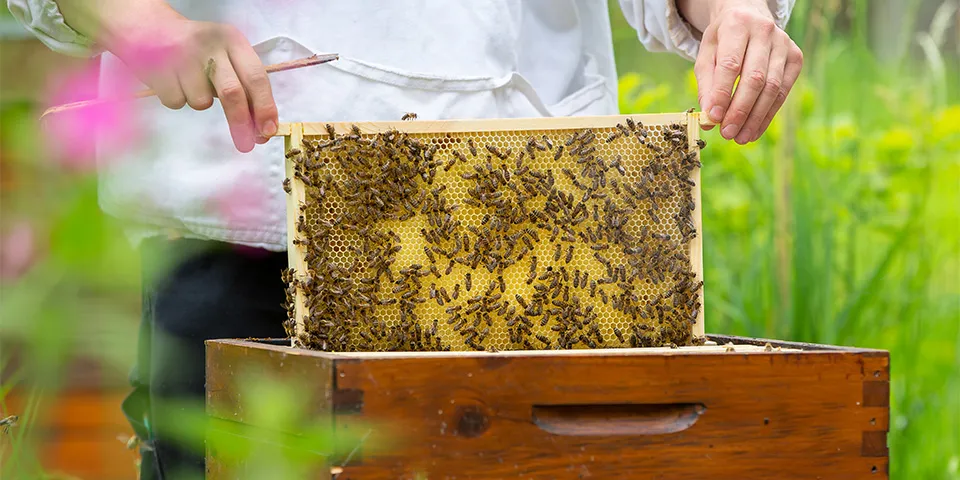
While the headline above may strike some as a little apocalyptic, it contains a great deal of truth and common sense.
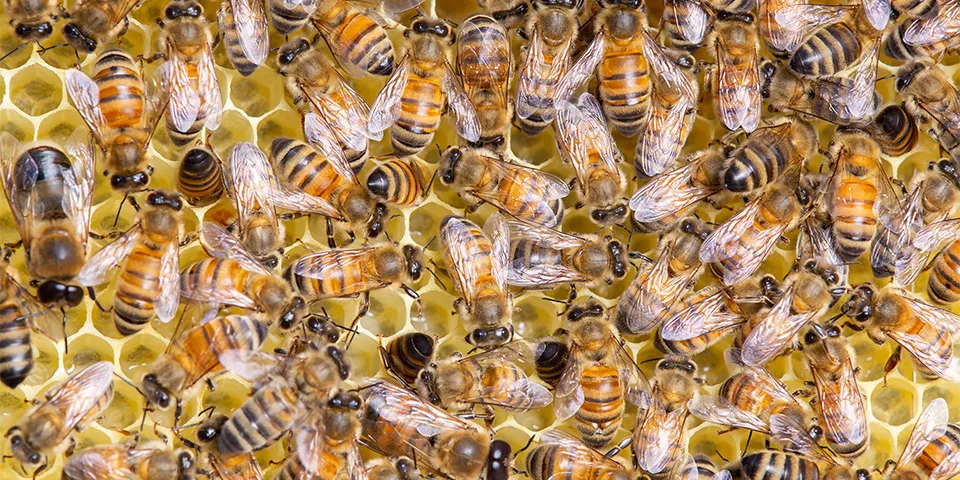
Bees make up the largest population of pollinators. No bees means no pollination, and no pollination means no plant-based food. It is as simple as that.
In recent decades, bee populations worldwide have come under considerable pressure, partly because declining biodiversity has left them with less food. A second reason is the growing use of pesticides. If we want to save bees, and in turn our world, a number of drastic measures are needed.
International concern
Several commendable initiatives have emerged in recent years. One is the recent European Citizens’ Initiative ‘Save Bees’, which received the green light from the European Commission this summer. The Commission has pledged to explore concrete action to increase biodiversity and provide adequate protection for bee populations. This is conditional on ‘Save Bees’ collecting at least 1 million signatures.
Flowering motorway verges
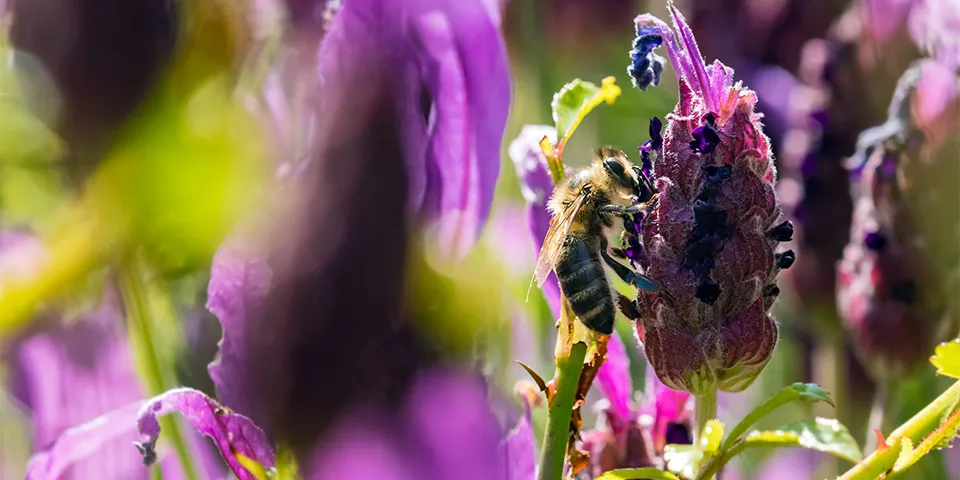
An initiative such as ‘Honey Highway’ also deserves our wholehearted support. The aim is to turn the verges of European motorways into flower meadows. This will not only make them look attractive, the resulting biodiversity will also give bees access to more and better food sources. The ultimate goal is a continuous network of flower-lined motorways stretching from the far north of Europe to its far south. Beekeepers also have an important role to play, albeit mainly at local level. Their numbers have grown exponentially in recent years, and around 99 % are hobbyists, so there is certainly no shortage of drive and enthusiasm.
Knokke, the place to bee
There is plenty happening at home, too. In recent years, a range of initiatives to promote biodiversity and bee welfare have taken shape in Knokke-Heist. Under the impetus of mayor Leopold Lippens, these even earned the town the title of ‘most bee-friendly municipality in Flanders’ in 2015. Current and future projects in the seaside town are being developed in collaboration with ‘BeeOdiversity’. Knokke-Heist has also supported local beekeepers since 2011. The BeeOdiversity project already includes ten bee colonies in Knokke-Heist, helping to safeguard the future and health of more than five hundred thousand bees. So far, fifteen bee-friendly gardens have also been created, along with 20,000 m² of flower meadows on public land. Five of Knokke’s flower meadows even rank among the top ten in Europe. Plans also include therapeutic flower gardens around municipal residential care centres, while information points such as the apiary in the flower garden at the Wulpenhoek water basin and the honeybee centre near CC Scharpoord provide valuable information about bees’ needs and lives.
Social responsibility
BeeOdiversity is a socially driven company that develops projects and provides advice to promote biodiversity, particularly through bees. Its initiatives and research focus on changes in the health of bee colonies, the quality and availability of nutritious food sources for bees, biodiversity in the broadest sense, and identifying pesticide sources and reducing them through awareness-raising among all stakeholders, including local residents, visitors and farmers. The results are already encouraging. Pesticide use in the region is declining. Bee-friendly planting carried out in 2016 and 2017, together with efforts by the agricultural sector and more than six hundred individuals, is currently providing enough high-quality food, namely pollen and nectar, for the local populations of honeybees and wild bees. If everyone continues in the same vein, local bee populations will be able to reproduce successfully, safeguarding their future and ours.
Question about this story? Ask your question
Keep following this
Get an email when a new story is published. No account needed.
- SubjectGeneral







