









A variety of plants for dry shade
Perennials that relish a challenge
Dry shade is perhaps one of the most difficult areas of a garden to plant. Yet many perennials thrive there. They are often overlooked, as many designers and garden owners avoid these areas and rely only on familiar choices to deal with them.
It is no easy task, as much depends on what is happening underground. At what depth is water available? What kinds of trees and other plants are already growing there, competing for light and moisture? How fertile is the soil? Has it become compacted by bulldozers, cranes or tractors driving over it during construction of the house?
This means it is not always possible to predict how a plant will perform, and it may take a while to establish. It is best not to plant during very dry periods, and to work plenty of compost into the soil at planting time. Use coarse garden compost or leaf mould; even cocoa shells can help. It is best to avoid fine compost, as it can compact the soil further, and an open, well-aerated soil is essential. Good preparation is therefore important. Once these star performers get going, however, there is no stopping them, and they can make these difficult areas much more interesting.
Asarabacca
We start with one of the less conspicuous plants: asarabacca, or Asarum europaeum. This low-growing ground cover is evergreen, with glossy, kidney-shaped, dark green leaves. It flowers in April and May, producing inconspicuous dark brown-red blooms. It is often recommended for moist, slightly acidic soil, but once established, it also does well in drier soils. It does not like harsh sea winds, but is otherwise disease-resistant and very hardy. Keep an eye out for slugs in spring, though, as they enjoy the fresh young leaves.
Greater stitchwort
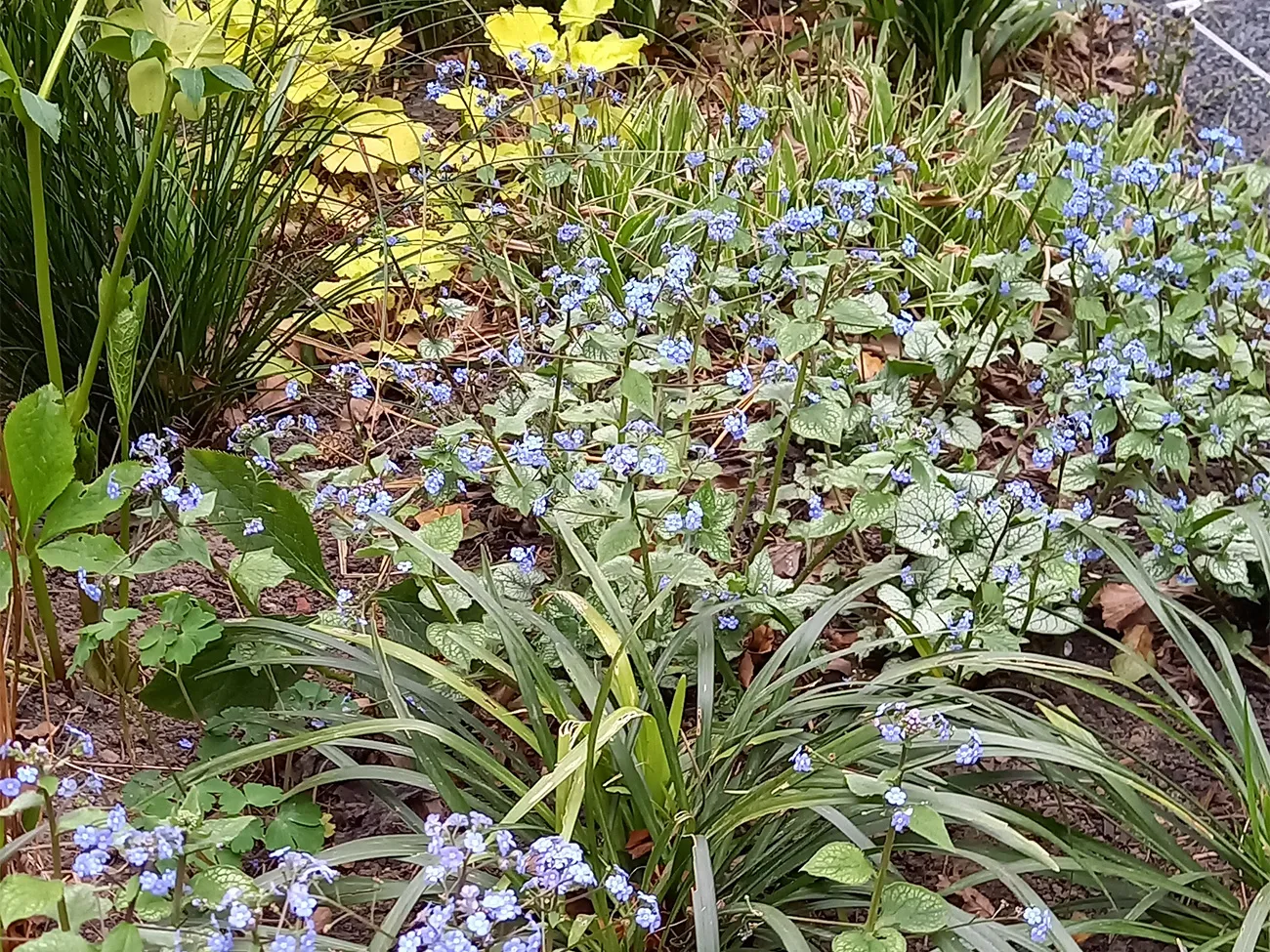
Where Asarum has inconspicuous flowers, greater stitchwort, or Stellaria holostea, is quite the opposite. In May, attractive, loose clusters of white flowers appear. This native plant is still far too rarely used, but is a real boon for bees and insects in the shade garden. It is a robust ground cover that can spread vigorously, but is easy to keep in check. Combine it with large-leaved plants such as Brunnera or Bergenia for an even stronger effect.
Barrenwort
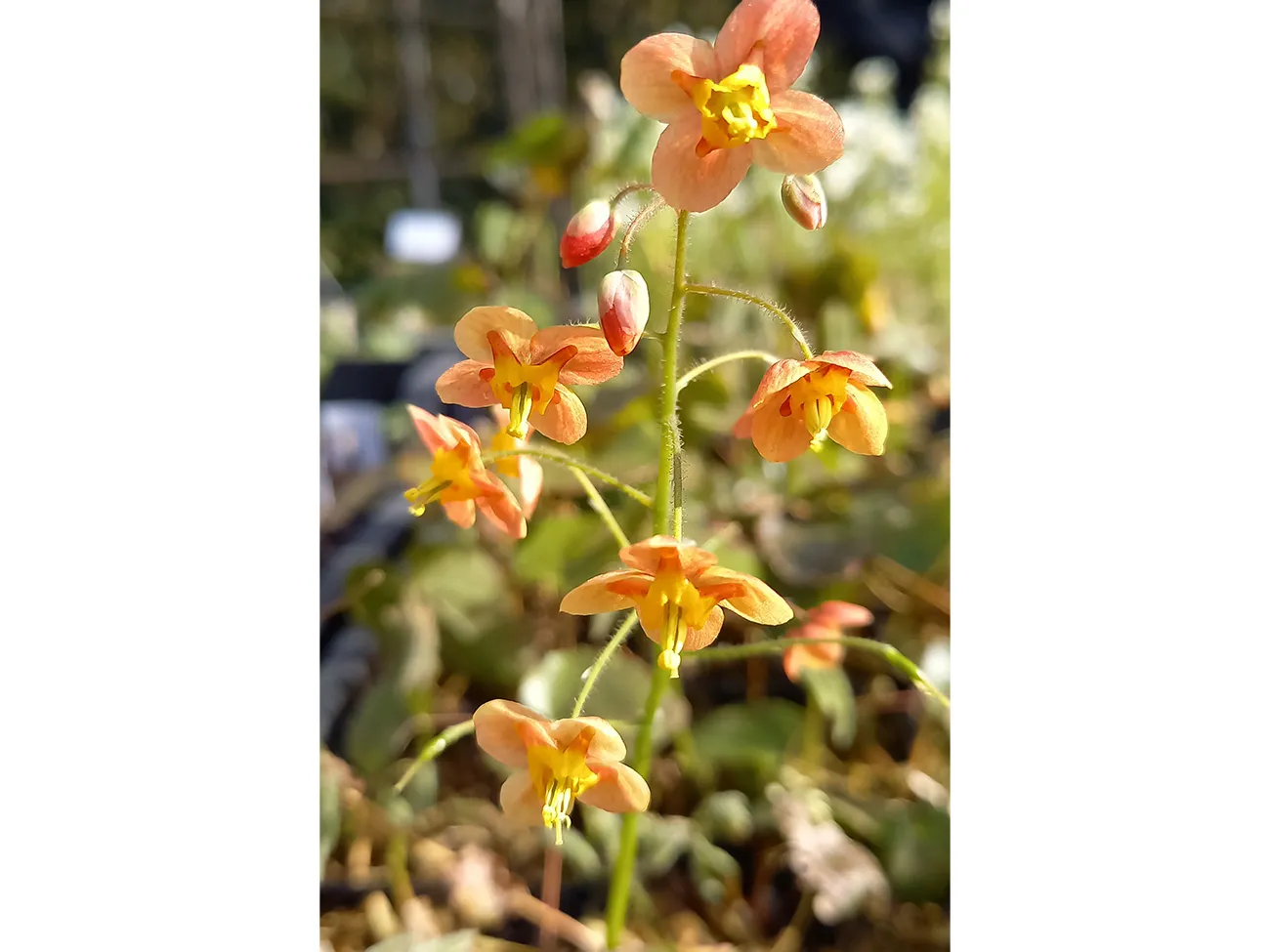
Barrenworts are fantastic ground covers and are thankfully being used more and more often. Many Epimedium also thrive in dry shade once they have become established. Hundreds of cultivars and hybrids are now available, and few are disappointing. You can hardly go wrong with Epimedium, although it may take a while for plants to settle in and start growing strongly.
Epimedium x warleyense does even better than most. Beautiful orange flowers appear above the evergreen foliage in April and May. The young leaves may have a reddish tint when they first emerge. The cultivar ‘Orangekönigin’ is the one most commonly sold and is certainly worth recommending.
Pachypragma
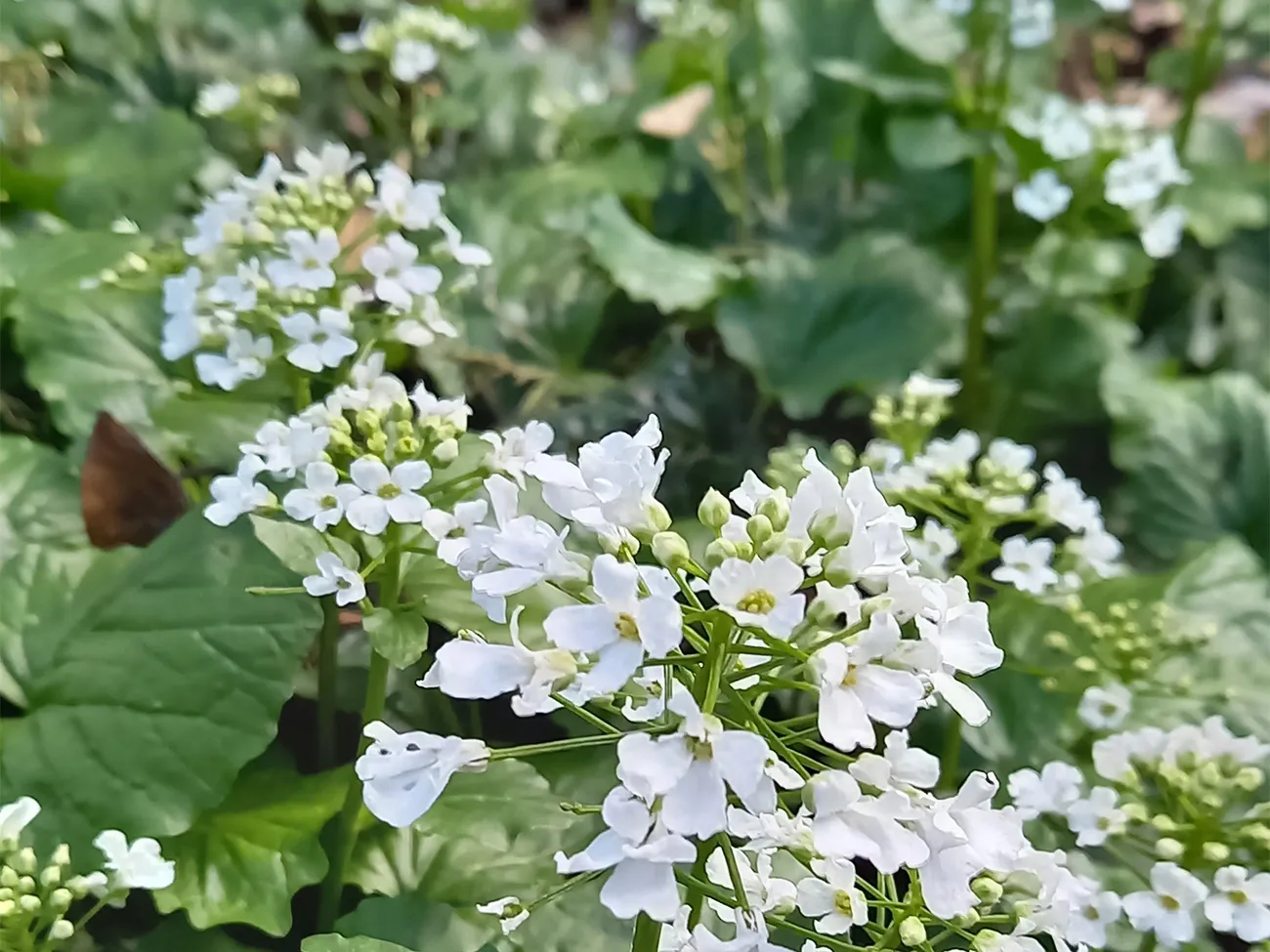
Pachypragma macrophylla is still far too rarely used. This ground cover has many advantages and adds value to the garden all year round. Although it is often recommended for moist soils, it often does well in drier conditions too. It can be used around the base of trees and is excellent at suppressing weeds. Its white flowers stand out beautifully against the rounded, bright green leaves and appear from March onwards.
Cranesbill
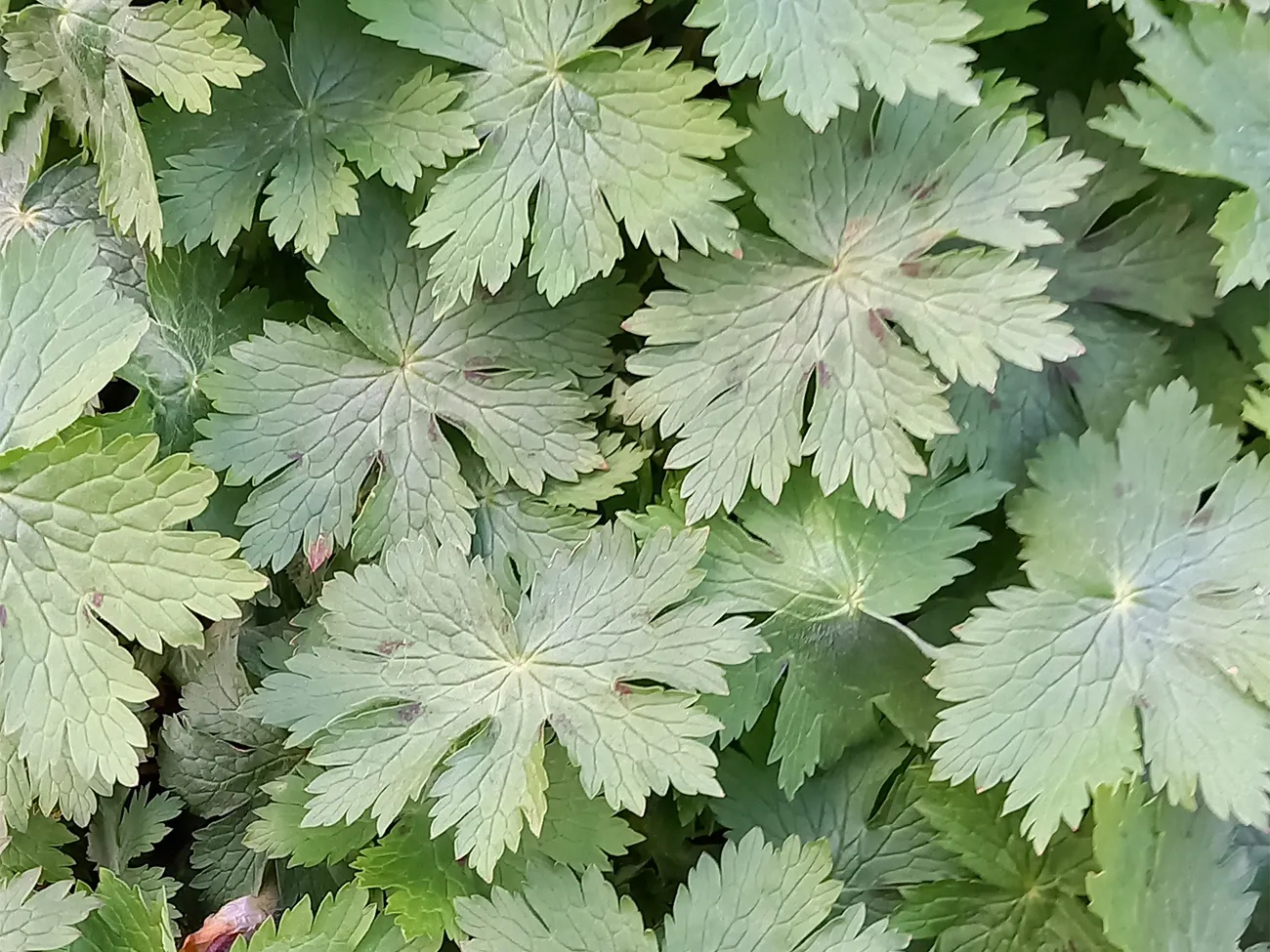
Cranesbill, or Geranium, is a garden staple, with many different species and cultivars to choose from. Geranium nodosum is the star performer for dry shade. It is not evergreen and flowers in July and August, with delicate lilac blooms. Its attractive, glossy foliage grows to around 40 to 50 cm tall and stands out in the shade. This Geranium is so tough that it even thrives in the shade of conifers, a spot many gardeners would not dare to tackle.
Dry shade is a challenge for any designer or landscape contractor, but with these star performers, even the most difficult areas can bring added value to the garden owner and nature.
Question about this story? Ask your question
Keep following this
Get an email when a new story is published. No account needed.
- SubjectGeneral







