









A handy overview of the rules: planning permission for fences and enclosures
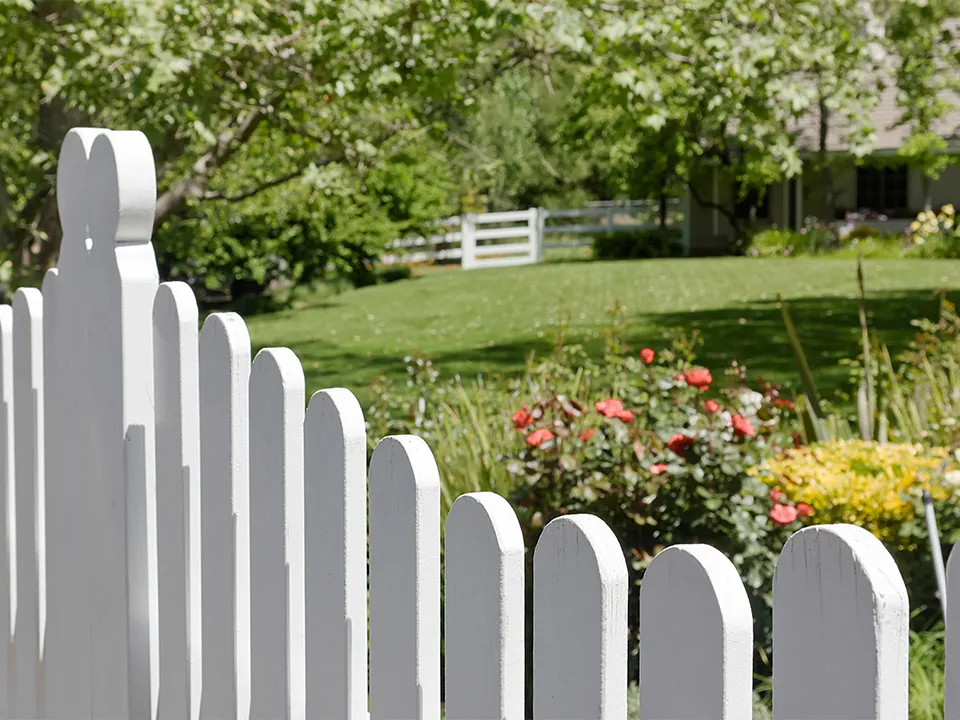
Would you like to add an attractive fence or enclosure to your garden or pasture? Great!
But did you know that this is not always allowed? If you want to put up a fence without planning permission, you must comply with certain rules. Here is an overview of the requirements.
Types of fencing
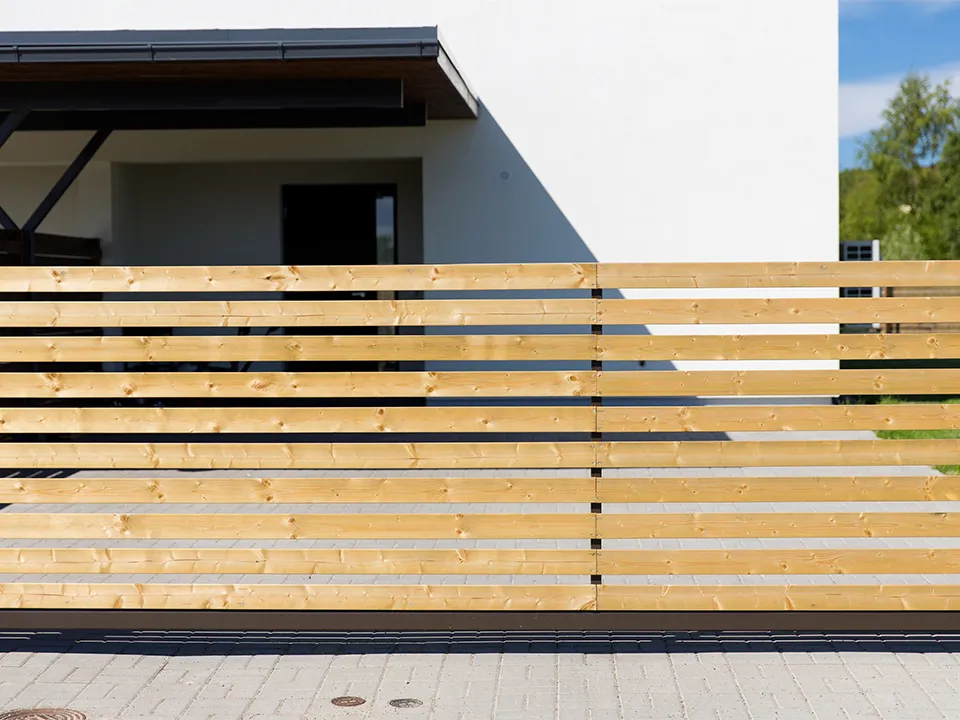
First, a distinction is made between different types of fencing: open and closed. Open fencing includes wire and wire mesh fences. All other types are considered closed fencing, including heather screens, gabions and wooden garden panels.
Garden layout
The options also vary depending on the layout of your garden. The front garden is the area in front of the main building’s front building line. The side garden is the area alongside a side wall, while the back garden is the part of the garden that is neither a front nor a side garden. These may seem like minor distinctions, but they have a significant effect on what is permitted.
In the side and back gardens of a house, all types of fencing are permitted up to a maximum height of 2 metres, provided they are no more than 30 metres from the primarily authorised, or deemed authorised, residential dwelling or company residence. This applies to both open and closed fencing. For example, wooden garden panels more than 30 metres from the house cannot be installed without planning permission.
Gates and open fencing up to 2 metres high are permitted in the front garden, as well as in the side and back gardens. They may be located more than 30 metres from the primarily authorised, or deemed authorised, residential dwelling or company residence. This means you can enclose your entire property with open fencing no more than 2 metres high without planning permission.
Closed fencing up to 1 metre high is also permitted in the front garden. It may also be more than 30 metres from the primarily authorised, or deemed authorised, residential dwelling or company residence. This means that, if you install it without planning permission, a masonry fence or wooden fence in the front garden may be no more than 1 metre high.
Location
Thirdly, the options also depend on the location of the site. For example, if the site is in a subdivision or an area covered by a Special Plan of Development (BPA) that expressly prohibits fencing, you cannot install any fencing without planning permission. Exempt works are only permitted if they do not conflict with the provisions of regional, provincial or municipal planning regulations. You may, however, be able to apply for planning permission to deviate from these provisions.
If you have previously been granted a permit that expressly excluded or restricted the installation of fencing, you cannot rely on the rules set out above either, and you will always need planning permission to put up a fence. Exempt works are only permitted if they do not conflict with the express conditions of planning permission for development works.
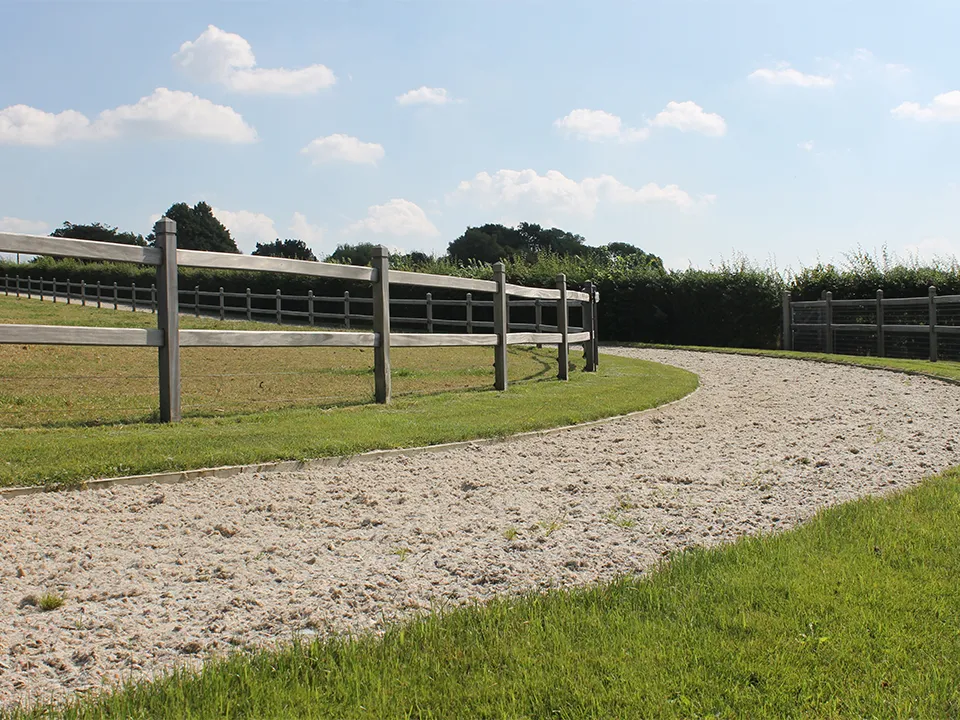
If you own a pasture and would like to put up an attractive fence, you can do so without planning permission, provided it is an open fence or an open fence with cross rails. It may be no more than 2 metres high. However, this is not permitted in a spatially vulnerable area, except in parkland.
Planning to put up a fence or enclosure, but not sure whether you need planning permission? DLV’s advisers can help you explore the options and bring your plans to fruition.
Vraag over dit verhaal? Stel je vraag
Blijf dit volgen
Bij een nieuw verhaal krijg je een e-mail. Geen account nodig.
- OnderwerpGeneral







