









A biodiverse flowering lawn starts with a vision
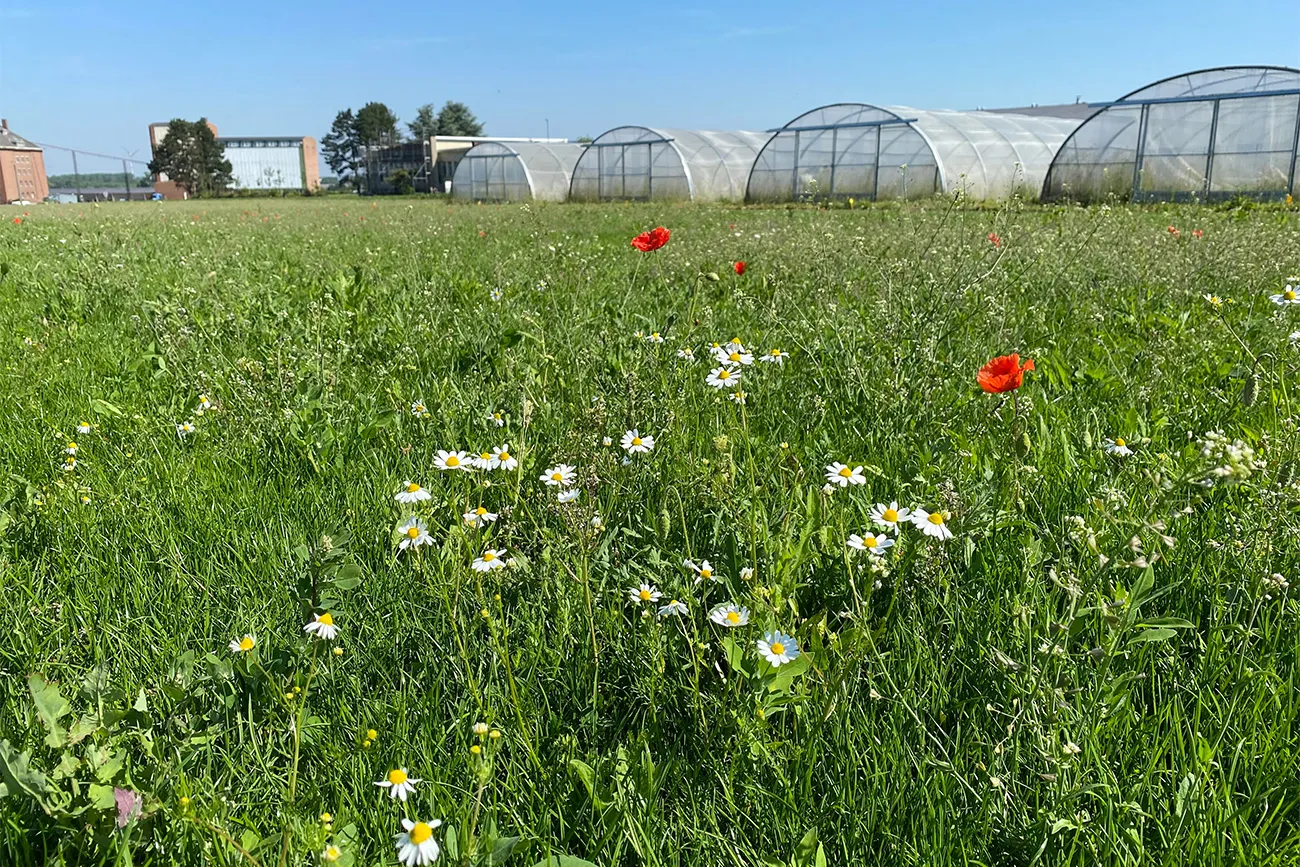
The close-cropped green lawn is coming under increasing pressure. Not just because of dry summers and water shortages, but also for ecological and practical reasons. After all, neatly maintained lawns offer limited benefits for biodiversity, while generally requiring a lot of maintenance. In response to growing demand for biodiverse, low-maintenance lawns, Advanta is launching its flowering lawns.
“A sustainable, biodiverse garden starts with a vision,” stresses Erik Truyers, sales and product manager at Advanta. “Simply mowing less has only a limited impact in itself. It may take quite some time before flowers and herbs appear in the lawn, and even then, they are not necessarily species that benefit useful and pollinating insects. That is why we have devised a sustainable solution that actively helps nature.”
Carefully selected mixture
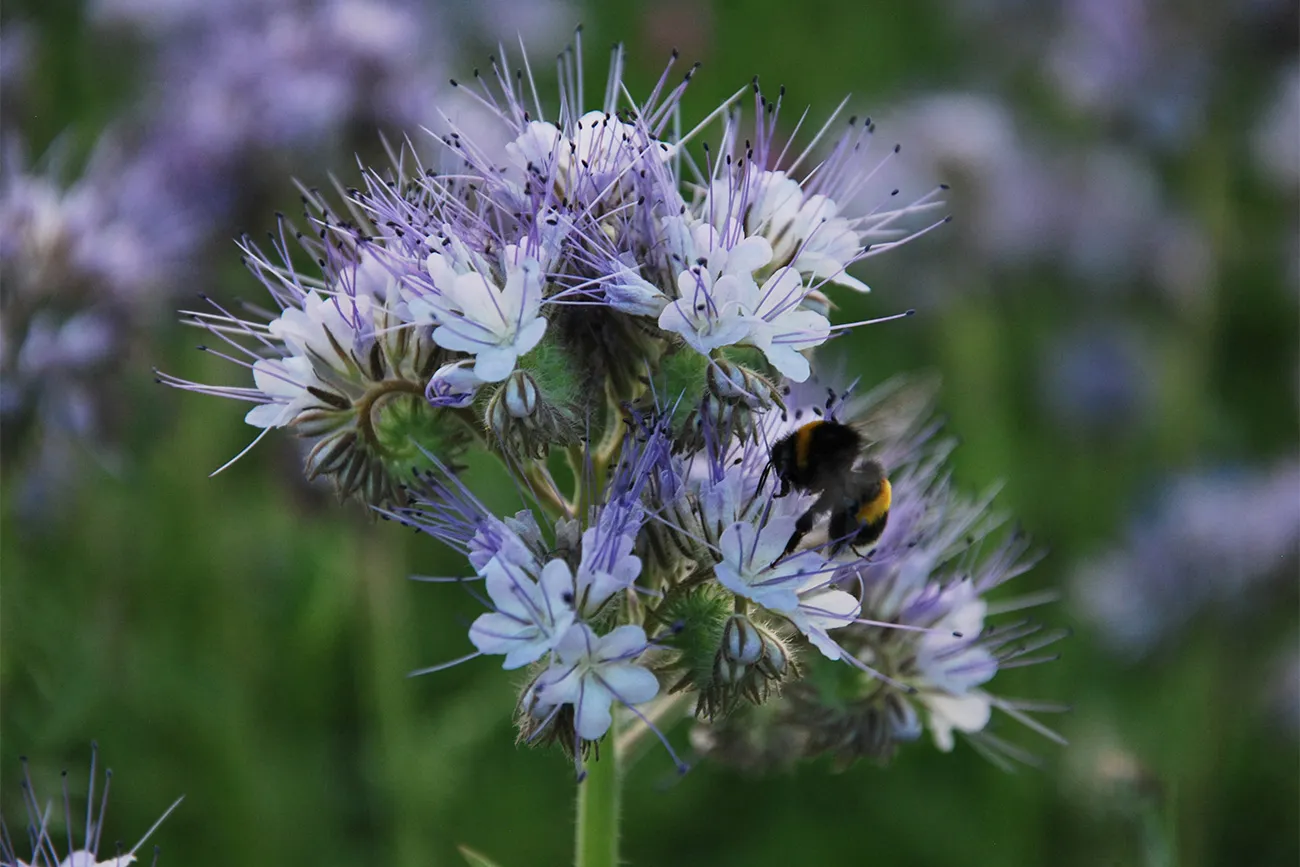
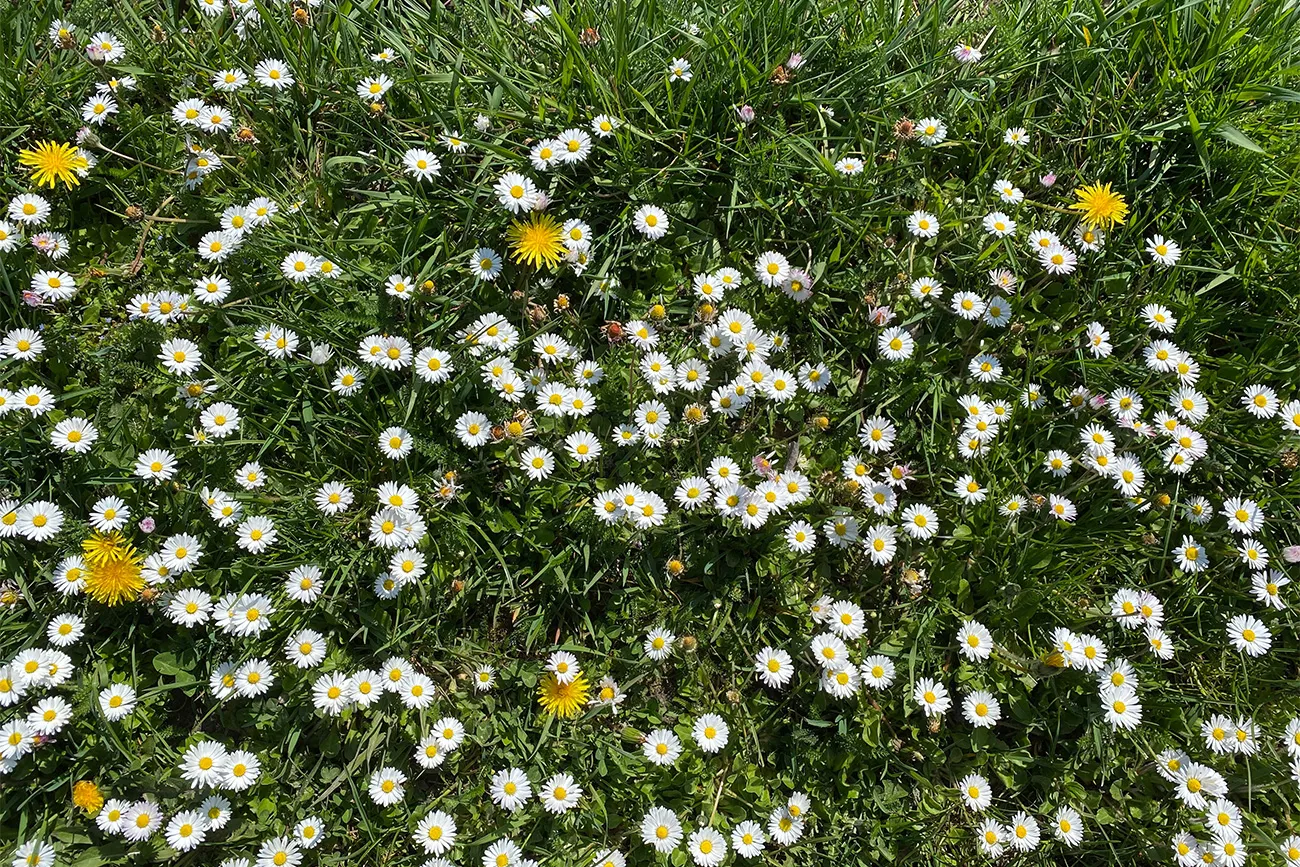
Advanta’s flowering lawns combine the best of both worlds. You get the look and feel of a lawn, while also enjoying a biodiverse display of colour. “When developing the mixtures, we looked at what is most common in nature and offers the greatest benefits for biodiversity. We opted for low-maintenance grasses and native flowers and herbs that have proven their worth and can withstand mowing. Daisies, field pansies, clovers in various colours, yarrow and the attractive grassland plant self-heal are among the standard ingredients.”
Advanta is launching six new biodiverse flowering lawn mixtures, each designed to achieve different goals. Ecogazon, for example, keeps the flowers relatively low, while Staygreen 1 Berm or the flower-rich field margin mixtures create taller vegetation.
Low-intensity maintenance
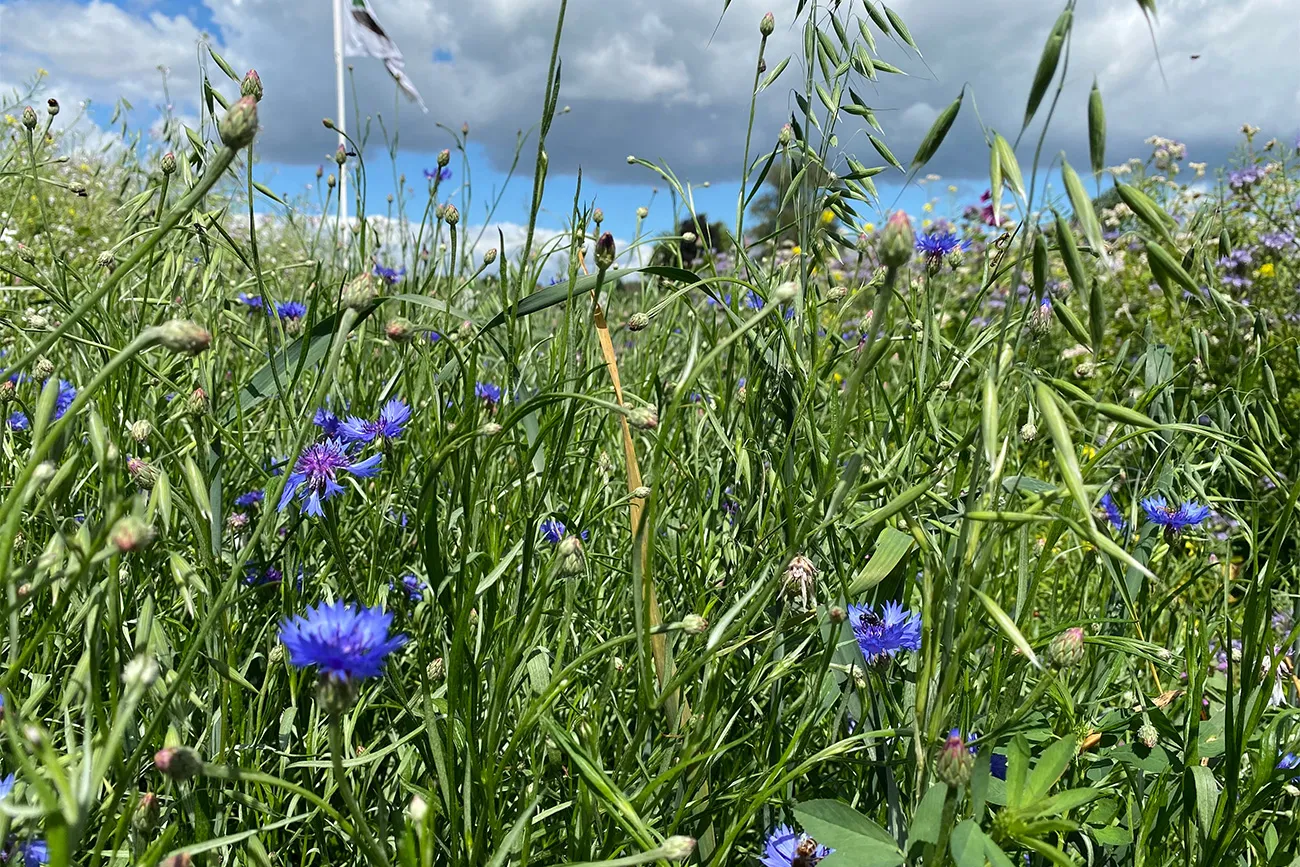
Another key advantage of flowering lawns is that you can choose how often to mow and how long to let the grass grow. “If your customer wants taller growth and a beautiful display of flowers, you can leave those areas unmown. You can combine neatly mown and unmown areas, and create grass paths here and there. A few days after mowing, flowers start to peek through the grass, creating a colourful result that is also entirely environmentally friendly.” However, mulching and robotic mowers are not suitable for maintaining a flowering lawn.
Fertilising is generally unnecessary and is even discouraged, but a well-aerated soil and thorough soil preparation before sowing are essential, as is regular watering afterwards. Bear in mind, too, that you cannot sow a flowering lawn into an existing lawn. Existing turf is too dense for flowers to establish themselves.
Setting the right expectations
Poor or fertile soil? Wet or dry? Clay or sandy? The soil will largely determine which flowers thrive best in the lawn. After a few years, natural selection takes hold, with some flowers flourishing while others disappear. This is precisely the aim of flowering lawns: for the lawn to reach a natural, biodiverse equilibrium. It is important, however, to explain this to the customer in advance.
It is also best to discuss the practical implications of the chosen mowing regime. Mowing damages the flowers already in bloom, so the lawn will not look its best immediately afterwards. If your customer is planning to entertain guests in their beautiful garden, it is best to schedule mowing a week or more in advance. Also bear in mind that taller grass provides habitat for more insects, including ticks. A shorter-mown flowering lawn may therefore be a better option for pets and young children.
Question about this story? Ask your question
Keep following this
Get an email when a new story is published. No account needed.
- ThemeLower-impact green space management
- SubjectGeneral







