









5 things to consider when choosing pool coping
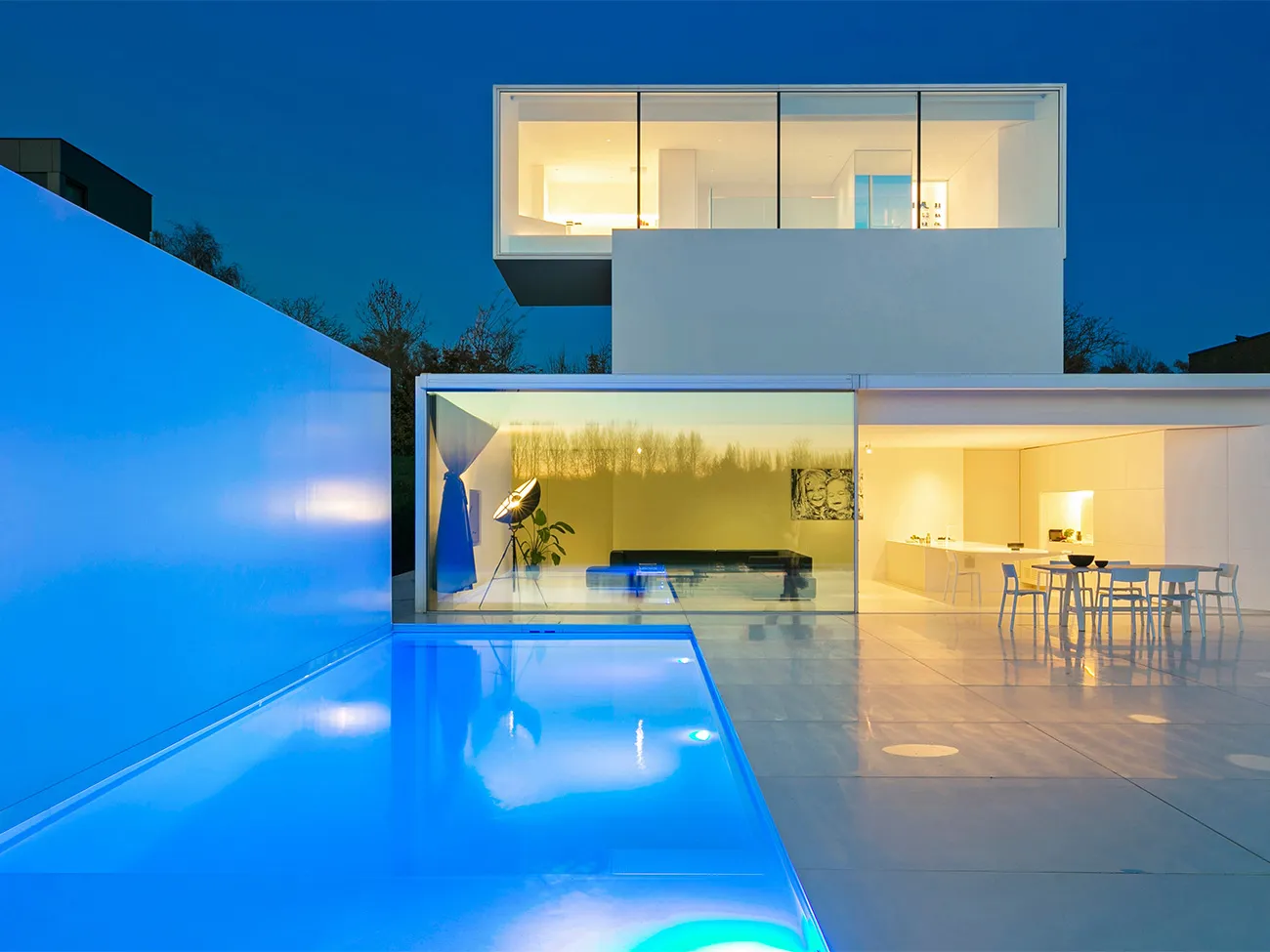
Too many choices. When you consider that the range of pool coping available is now almost as extensive as the range of terrace paving, it is easy to see why not everyone reaches a final decision quickly.
Ceramic or natural stone? Should the pool coping blend seamlessly into the terrace, or would you prefer a special finish? Joren Verbruggen of ArtStone talks through the key questions and considerations.
Visual appeal
“Most customers choose pool coping that complements the terrace. This can be achieved by using exactly the same stone and finish for both, an option available in natural stone and ceramic, or by carrying the colour palette through. We therefore encourage customers to bring samples of their existing terrace or pool liner to the showroom so they can compare them easily.”
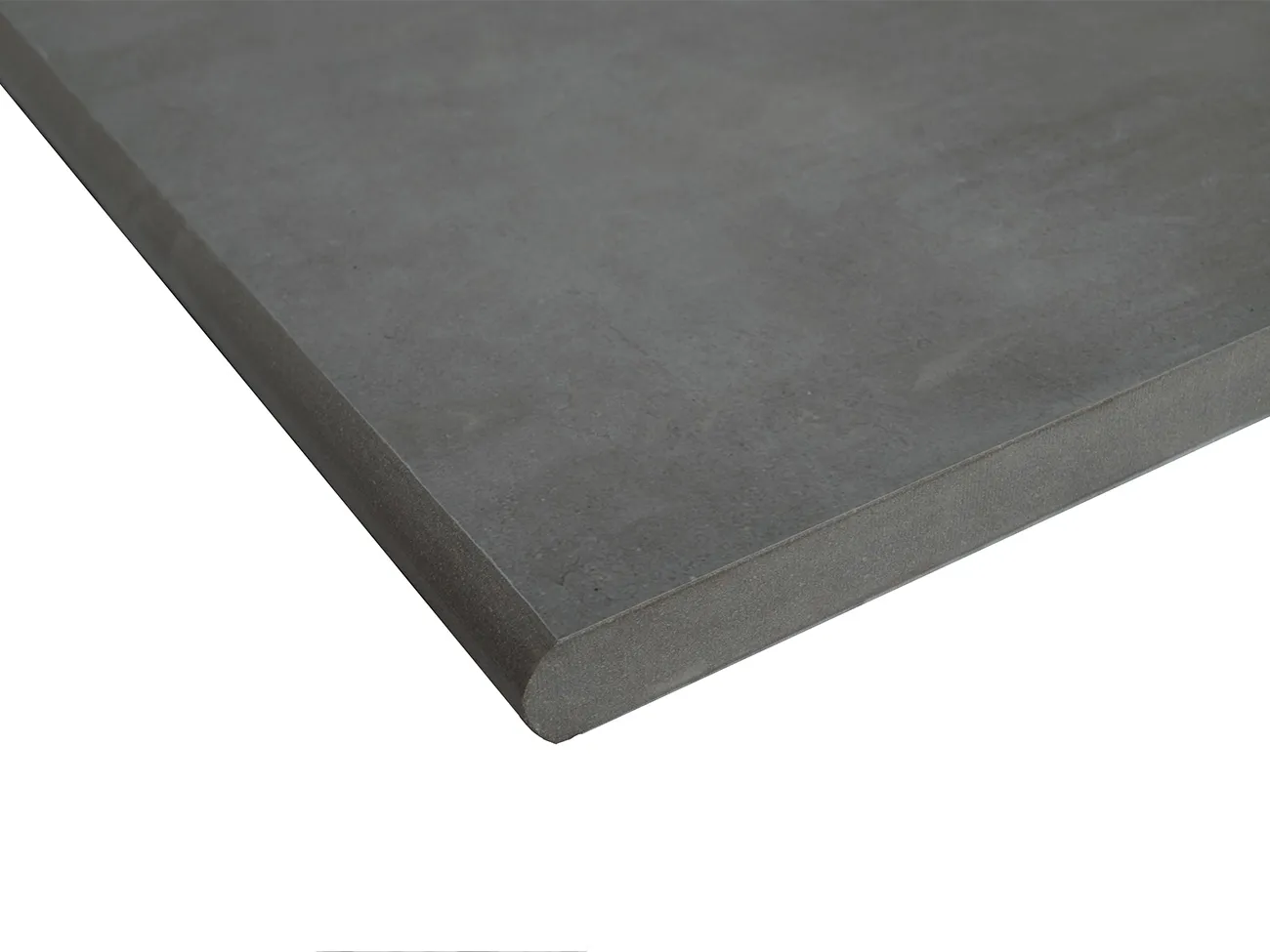
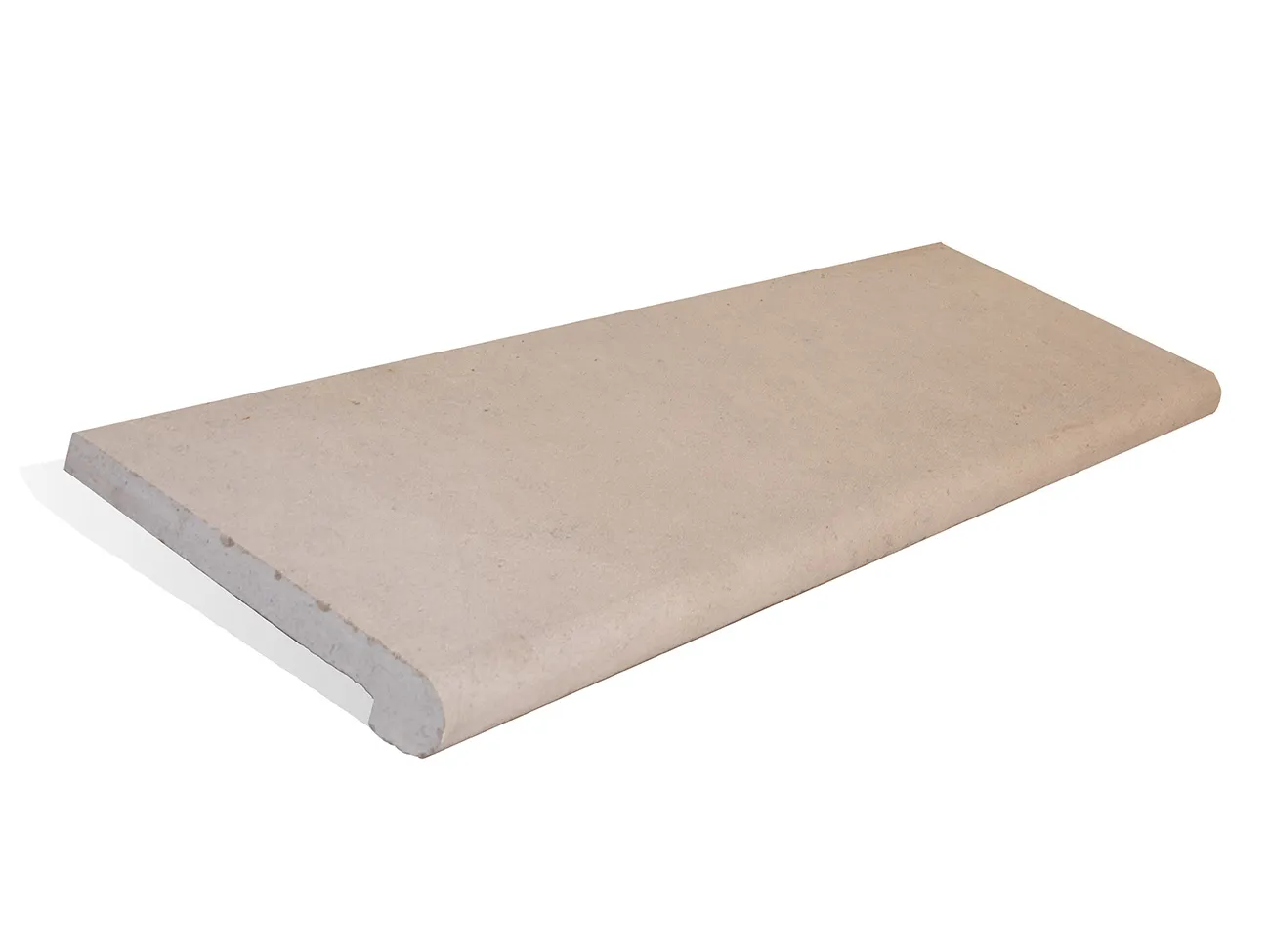
“The choice of stone ultimately depends above all on the atmosphere you want to create. Belgian blue limestone is a classic, while ceramic with a concrete or even metal look works well in sleek, modern gardens. For a warm, Mediterranean feel, sand and beige tones are the best choice, such as those of the Egyptian limestone Sinai Pearl.”
Safety
“Safety around the pool is an important consideration, and for tiles and coping it is chiefly a matter of slip resistance. Ceramic products must meet certain standards. In Italy, these standards were recently tightened to ensure safety. Did you know that some tiles are smooth when dry but become rough when wet?”
“With natural stone, safety depends less on the stone itself than on its surface finish. That is why we only offer rough surface finishes for terrace paving and pool coping.”
Finishes
“The edge can be finished with either a bullnose or a parrot’s beak profile. The first simply rounds off the edge of the stone, while the second has an L-shaped profile, rounded or otherwise, that overlaps the edge of the pool. This makes the coping look a little thicker or more imposing, but neatly conceals the pool edge.”
“If you choose natural stone, any edge profile is possible. In the past, ceramic was generally limited to bullnose and straight parrot’s beak profiles, the latter made by bonding an additional mitred strip to the tile. However, to offer the same versatility as natural stone, we recently expanded our ceramic production. This means we can not only produce the familiar edge profiles ourselves, but also supply solid ceramic coping, including a rounded parrot’s beak profile, in both 2/3 and 3/5.”
Dimensions
“As with terrace paving, there is a clear trend towards larger formats for pool coping. Sizes of 100×30 centimetres or 120×40 centimetres are no longer unusual, and with the right finish, a 100×100 centimetre terrace tile can even be used perfectly well as pool coping. This makes the distinction between coping and terrace minimal.”
“A common mistake when it comes to dimensions is to place orders based solely on the pool’s internal measurements. This means you overlook the corners of the pool, which can leave you short of material once you get to site.”
Lead times
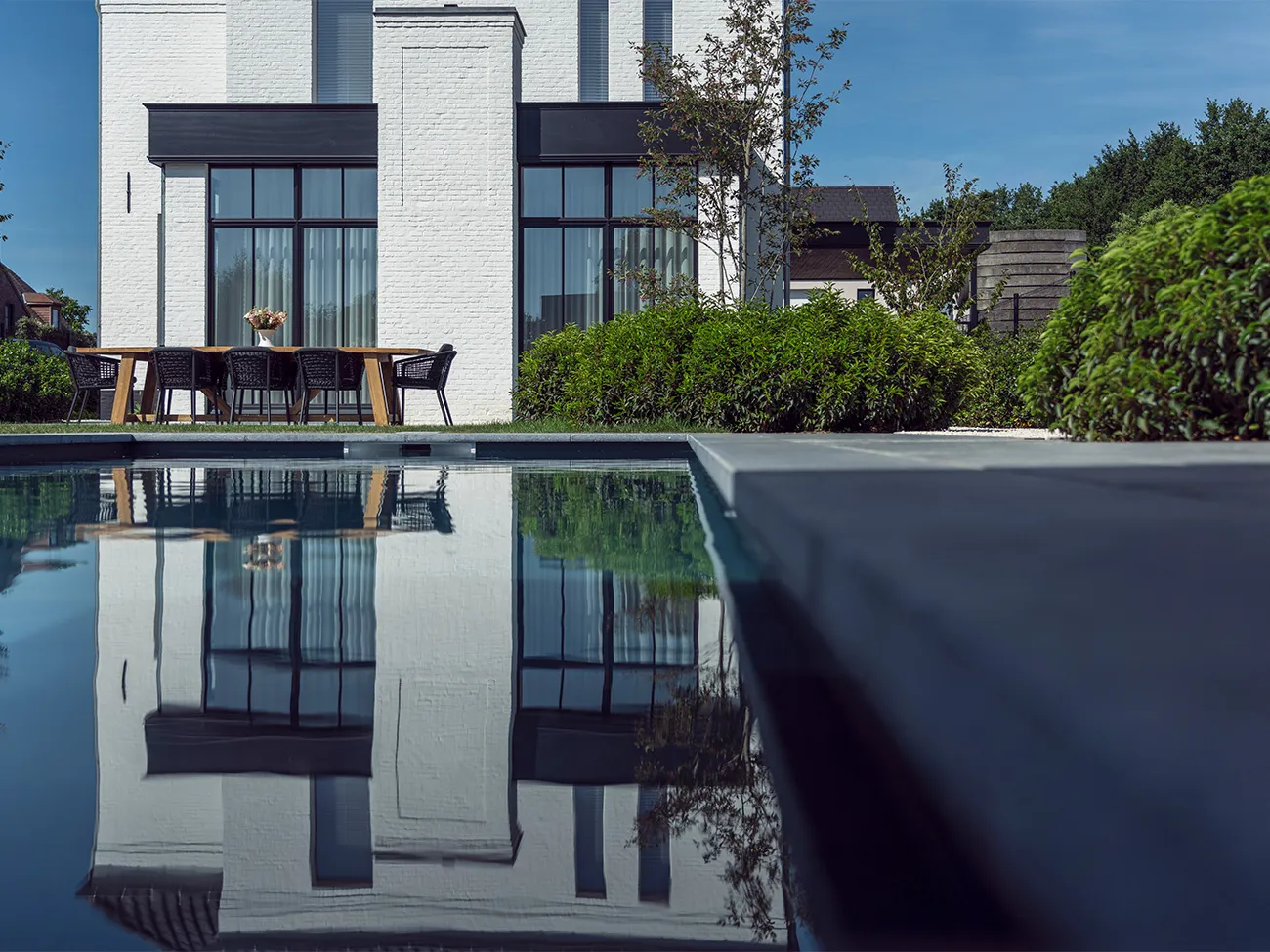
“Over the past year, demand for pools and pool coping has been enormous, but COVID also caused supply problems from the East. As a result, stocks of many natural stones, such as Vietnamese blue limestone and granite, are now almost exhausted in Belgium, although we expect new deliveries during August. We still have extensive stocks of Belgian blue limestone and Sinai Pearl, as well as our full range of ceramic products.”
Question about this story? Ask your question
Keep following this
Get an email when a new story is published. No account needed.
- SubjectGeneral







