The right maintenance strategy: a daily ‘to-do’
Text Luc OphalsImage Marc Thiebaut
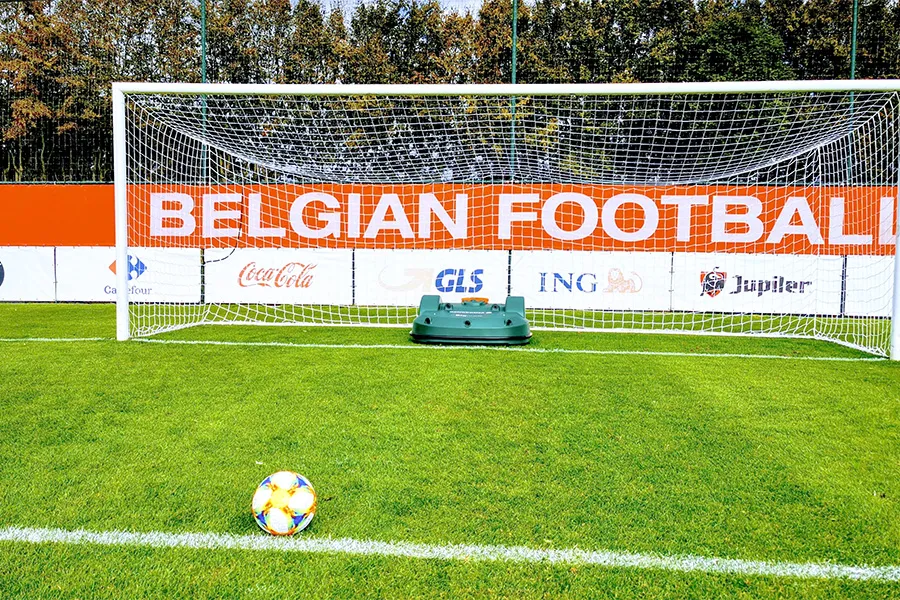
Communicating to make the right choices
Maintaining a golf course is no easy task. To meet the challenges posed by climate change, technical requirements and pesticide-free golf course management, the role of the greenkeeper has changed in recent years. Marc Thiebaut, head of the golf division at Devillers and former chairman of the Greenkeepers’ Association of Belgium, gives us an insight into the world of ‘greenkeeping’ in 2023.
Marc Thiebaut trained as a greenkeeper in France. After gaining experience at several golf courses, he joined the golf club at Hulencourt in 1996. Since 2022, he has been responsible for the golf division at Devillers, a company specialising in the construction and maintenance of lawns and turf.
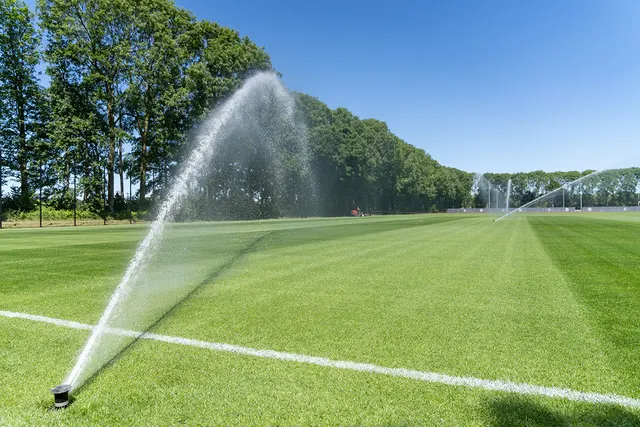
In his view, the growing focus on water management is one of the most striking developments of recent years. “With increasingly frequent and prolonged heatwaves year after year, we need to think differently about water management. Restrictions on irrigation can no longer be ruled out. At the same time, we need to switch to grass species that are more resistant to drought and disease. Rainwater collection has also become an important issue. Initiatives to promote biodiversity are certainly commendable, but they also have consequences. Ponds can no longer be created solely for decorative purposes: they also need to serve a practical function as rainwater reservoirs. During dry periods, water can then be pumped from the pond.”
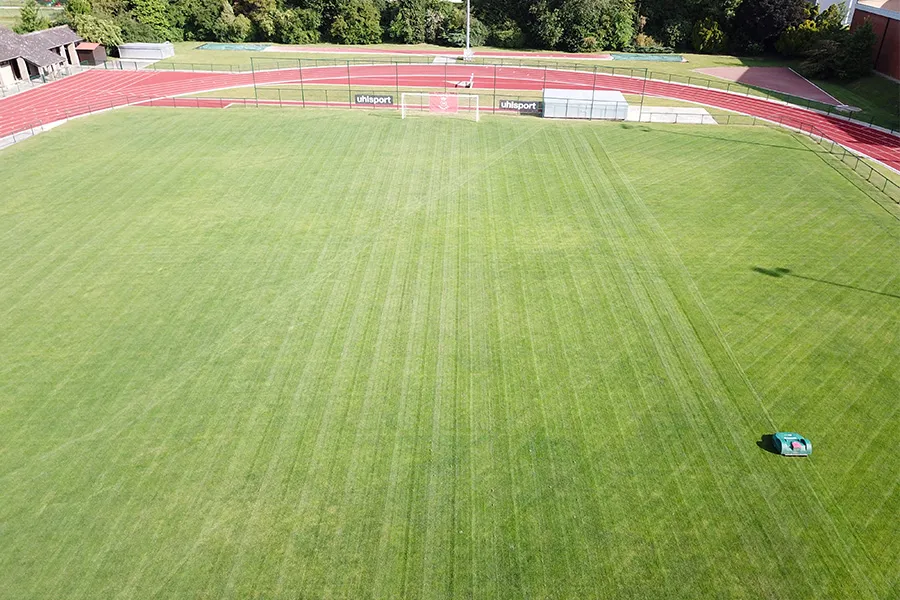
Pesticide-free management
The ban on spraying plant protection products has revolutionised the way golf clubs can maintain their courses. One of the most tangible consequences is that diseases have become harder to control. This means a more preventive approach is needed. “The future of our planet is at stake. In that respect, the ban on pesticides is an ideal opportunity to rethink our approach. Today, greenkeepers need to monitor the grass on golf courses more closely. In the past, ‘sick grass’ was simply treated. Now we need to create the best conditions to prevent the grass from becoming diseased. This can be done, among other things, by choosing more resistant grass species and applying natural products such as amino acids and liquid fertilisers.”
“This new approach calls for a major adjustment. Imagine if medicines proven to be effective were suddenly no longer allowed to be used to treat a serious disease. In that case, you have to look for alternatives, and that means a great deal of testing on a large scale. But we greenkeepers are not laboratories, we are end users. We need support in this area. Our federation cannot do it alone, however, and large companies should also contribute. Yet we cannot ignore the fact that the golf sector does not carry the same weight as the agricultural sector,” he says, with some bitterness.
Technical aids welcome
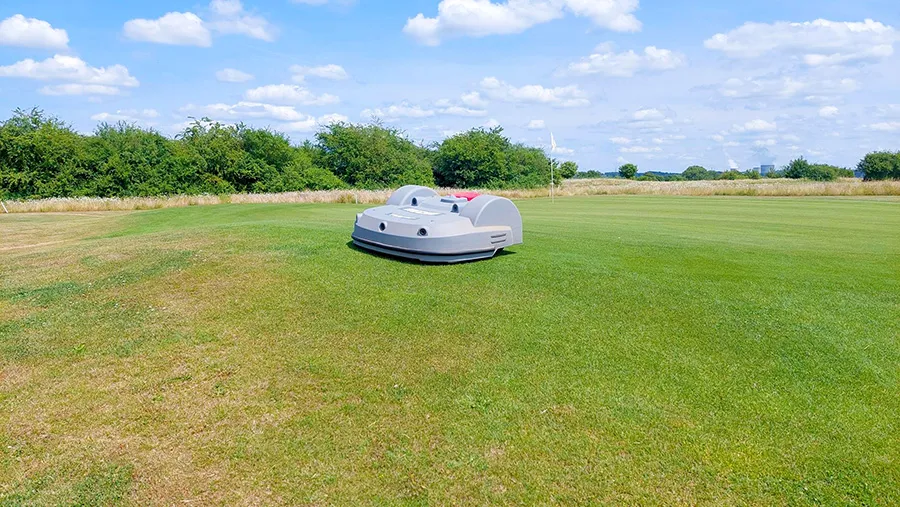
Marc Thiebaut also sees positive developments, such as the introduction of robots. “In terms of both cost and efficiency, the use of robotic mowers offers undeniable added value. The aim is not for robots to replace people, but they can certainly help. For instance, they can mow large areas more finely, without human intervention. This frees up the greenkeeper’s time to do things such as overseed the greens by hand.
Robots thus complement the work of people. At Naxhelet golf club, where I am responsible, we now use Belrobotics robotic mowers on the driving range and practice area, among other places, as well as on holes 10 and 18 of the golf course. This saves us a huge amount of time.”
Have a business enquiry for Yamabiko? Get in touch
Companies in this story
Keep following this
Get an email when a new story is published. No account needed.
- ThemeKeeping golf courses playable all year round
- SubjectConstruction & management
- CompanyYamabiko