Laakdal creates space for experiencing nature
In each edition of City in the Spotlight, we give a city or municipal council the floor and ask about the initiatives being taken to strengthen people’s experience of nature, biodiversity or green-space management.
In the Antwerp Kempen, Laakdal mayor Tine Gielis is already looking forward to doing justice to her municipality’s name once again.
Words Elise Noyez | Image Municipality of Laakdal
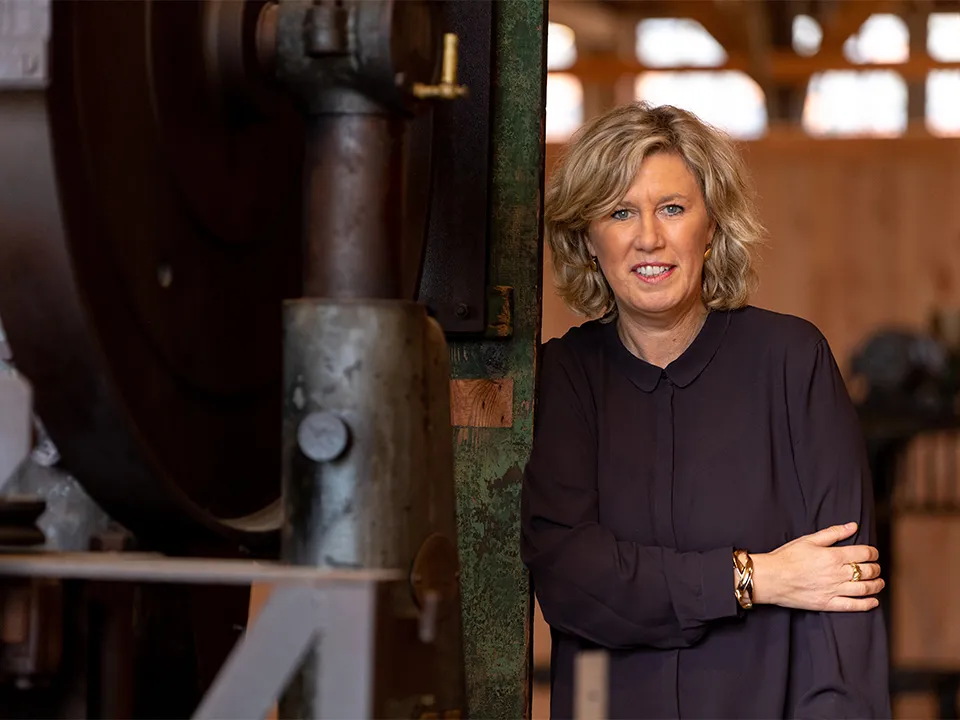
Tine Gielis has been at the helm of Laakdal’s municipal council since 2007. During her 14-year tenure, she has seen not only the routine management of weeds and verges change, but also a renewed focus on the natural, agricultural and recreational value of several key landscape features in the municipality. “As mayor, it is my job to find a balance between the various partners who shape our landscape. These features extend beyond our municipal boundaries, after all, so it makes no sense for each of us to pursue a separate policy.”
Water
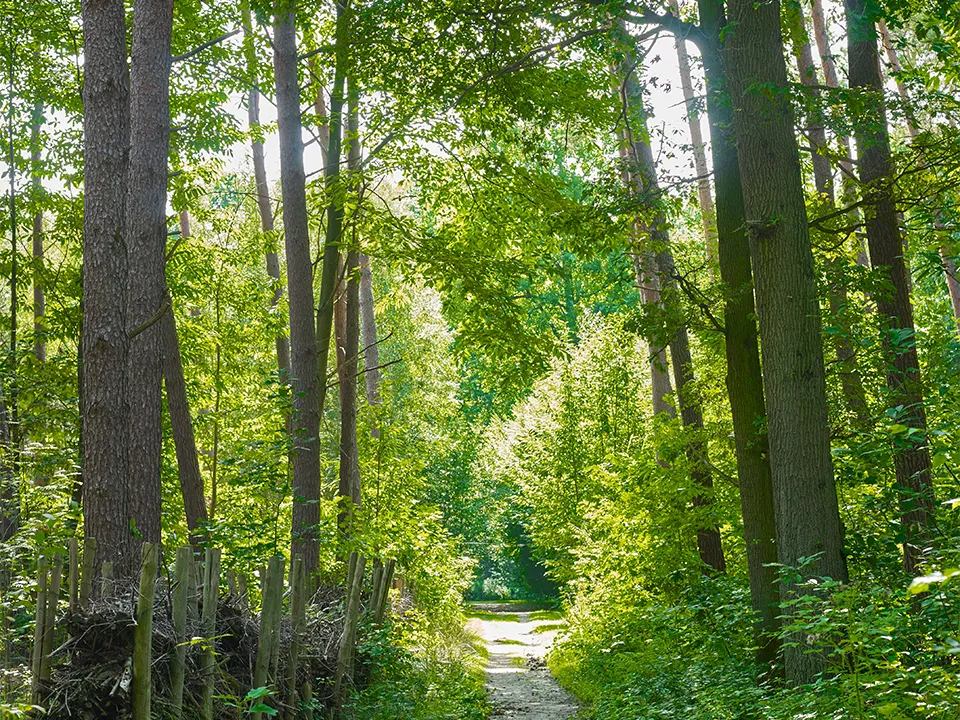
Laakdal takes its name from the Grote Laak. Over a distance of around 30 kilometres, this tributary of the Grote Nete winds its way through the municipality’s landscape. “People still regularly swam here in the first half of the 20th century,” says Gielis, “but since then the river has become one of the most polluted waterways in Flanders. In 2017, the Flemish Environment Agency therefore drew up a step-by-step plan in collaboration with the business community. These commitments have led to the Winterbeek being remediated, and the Grote Laak is next on the agenda in the coming years.”
Meanwhile, the municipal council is looking for initiatives to revitalise people’s experience of nature around the river. “First and foremost, we’re going to create walking paths, but we’re also prepared to think bigger. In collaboration with private partners, we want to make recreation on, around and in the water possible.”
Maintaining the various waterways is at least as important. “It’s a shared responsibility, and we’re strongly committed to balancing the needs of agriculture, nature and local government. To that end, we have drawn up a charter between the agricultural sector on the one hand and the province on the other.”
Timber
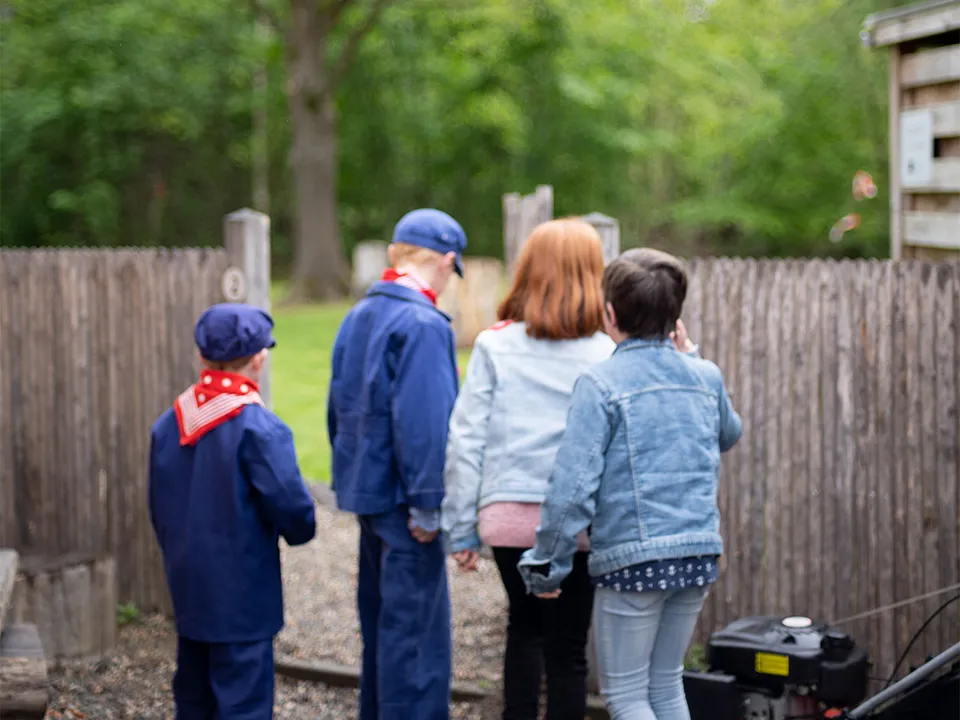
As one of the nine municipalities with a stake in Landschapspark de Merode, once an important timber-harvesting site, Laakdal is increasingly positioning itself as a timber town. “A clog museum and clog experience trail recall our clog-making industry, and the protected Beyens sawmill has been fully restored in recent years. It now houses a rental service for bicycles and eTuktuks, giving visitors an original way to explore the landscape. In the near future, we’ll also be developing an arboretum, primarily for educational purposes.”
Landschapspark de Merode, which was owned by the family of the same name until 2004 and was consequently inaccessible, is being opened to the public. “This is always done in consultation with the nine municipalities involved, the three provinces, Natuurpunt, Boerenbond and Kempens Landschap. Through the ‘charter de Merode’, we all committed in 2006 to safeguarding the unity of the area. We ensure that the junction routes run through the entire landscape park, and work together with the so-called route doctors to maintain them.”
Quiet roads
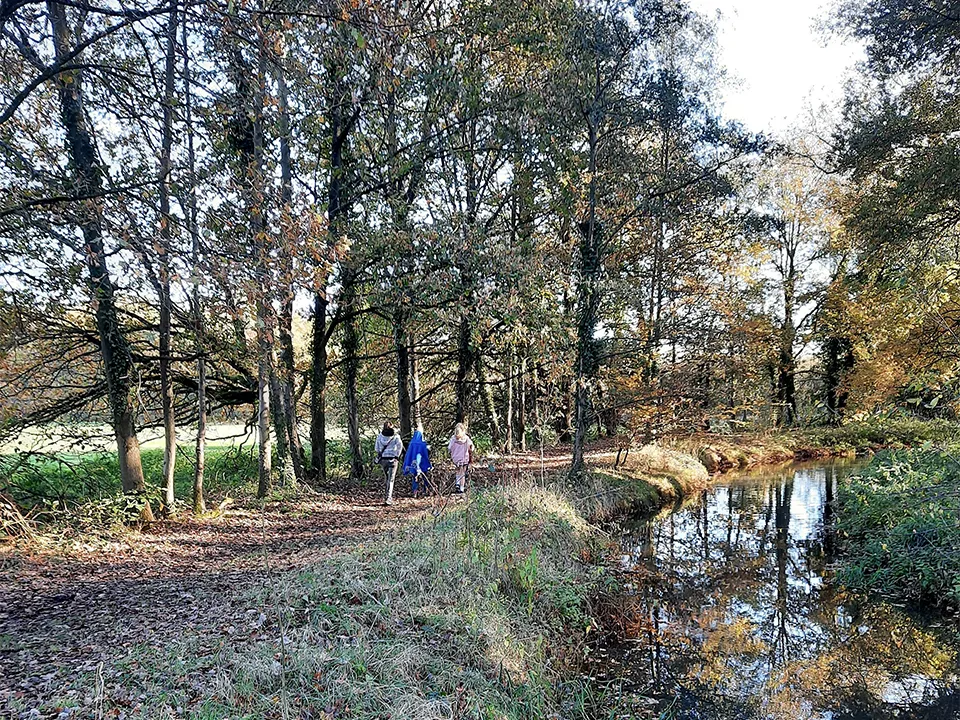
However, Gielis does not see experiencing nature as something confined to major landscape attractions. “We’re also creating opportunities to enjoy nature in the different village centres. Around the new town hall, for example, our parks department has created a green event space, where plants and colours change with the seasons; each sub-municipality will get a woodland playground; and wherever possible, new developments will include tree-lined avenues and drives. We also have an extensive network of quiet roads. These have now been mapped, and together with the non-profit organisation Trage Wegen, we’re doing everything we can to maintain and improve them. This will encourage more and more residents to use them.”
Question about this story? Ask your question
Keep following this
Get an email when a new story is published. No account needed.
- SubjectConstruction & management