From wastewater catchment to blue-green lifeline
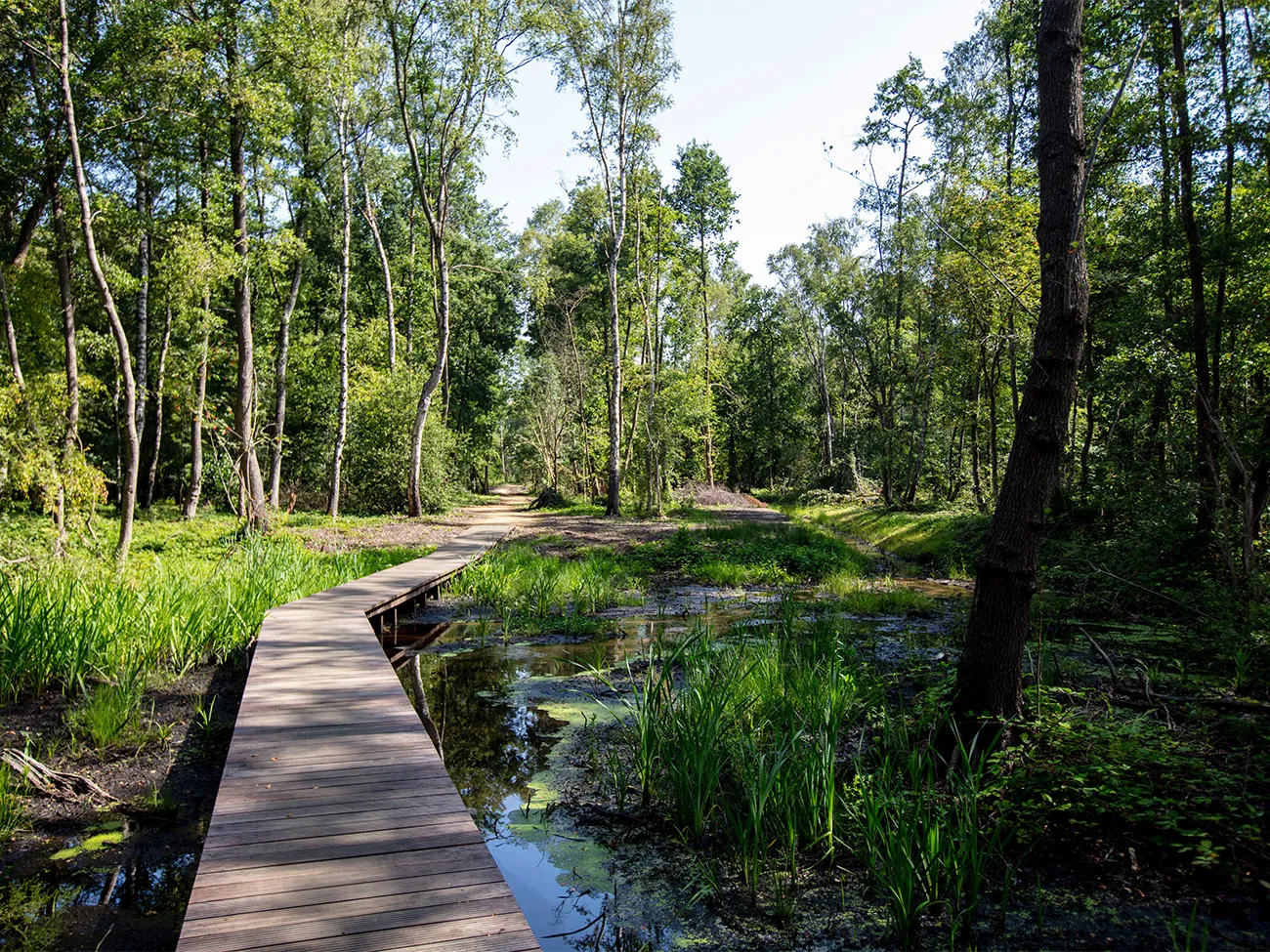
In our City in Focus feature, each issue gives a city or municipal authority the floor to discuss initiatives to enhance people’s experience of nature, biodiversity or green-space management. Toon Vandeurzen, Genk alderman for the environment and sustainable development, turns his attention to the Stiemervallei.
The Stiemervallei runs like a blue-green artery alongside and through Genk, from its source at the former Waterschei mine, now reborn as Thor Central, via SportinGenk park and C-Mine, among other places, to the De Maten nature reserve. “Despite its significance, the Stiemervallei was ignored for a long time,” Vandeurzen admits. “In the 1970s, the stream was culverted and sewer overflows were connected to it. As the city grew, the watercourse was increasingly burdened with wastewater.”
One masterplan, four subprojects
To prevent polluted water from reaching De Maten, a sluice is currently closed after heavy rainfall. In the coming years, however, a more integrated, climate-resilient solution will need to be developed. “The masterplan for the Stiemervallei was finalised in 2019. Its implementation is, in my view, the most important project of this council term.”
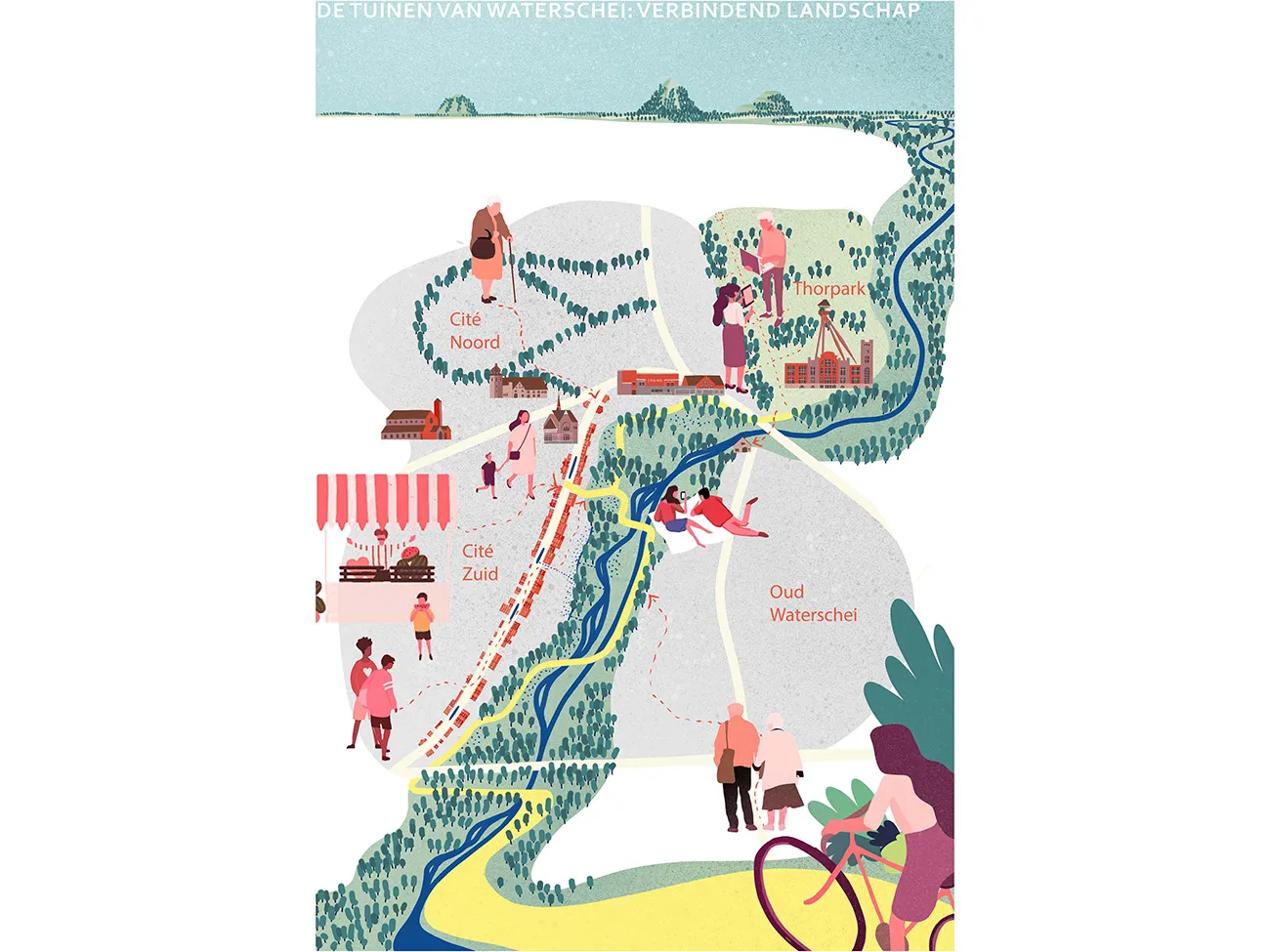
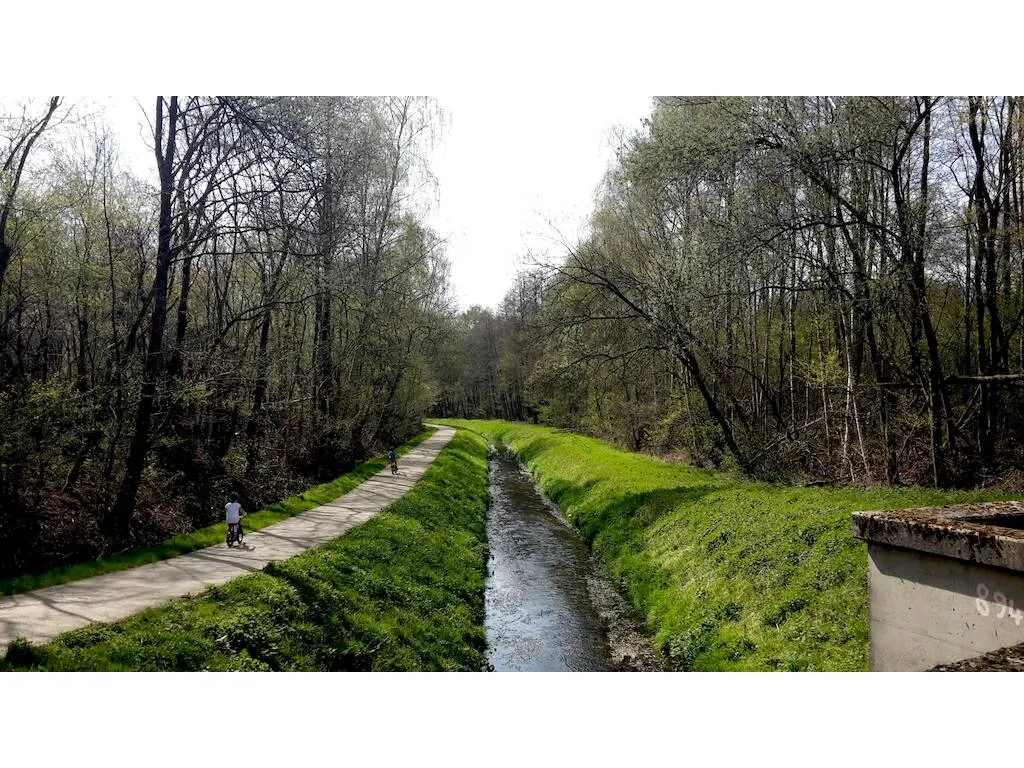
Four subprojects will shape its implementation during this council term. “Tuinen van Waterschei aims to create a green lung where nature development, integrated water management, recreation, the city and the valley go hand in hand. With Suds & Soda, we are focusing on rainwater capture, reuse and infiltration to ease pressure on the sewer system and thereby reduce pollution in the Stiemer. Developing the Valleiroute, a continuous cycle connection, will link the city spatially and mentally, inviting people to enjoy a varied experience and embrace a new mobility culture. And by redeveloping the Slagmolen area, we want to reconnect the Stiemervallei’s fragmented green space with De Maten, and restore the hydrological and recreational value of the gateway to the nature reserve.”
Towards a climate-resilient water system
The Suds & Soda project directly tackles the Stiemervallei’s core problem and aims to make Genk as a whole more climate-resilient. “For now, we are focusing on one neighbourhood of around 27.5 hectares, where we will install as many rainwater capture and infiltration facilities as possible. These include the creation of rain gardens in public spaces, but we are also looking for creative ways to involve residents, encouraging them to install rainwater systems or remove hard surfacing from their driveways. We will then roll the project out to other neighbourhoods.”

Building engagement
Engaging residents and businesses is a common thread running through all four subprojects. “Around Slagmolen, for example, we want to create new opportunities for local businesses. In many cases, however, we also depend on residents. Much of the land along the Stiemer’s source is privately owned, comprising gardens or, more often, the rear areas of shops and hospitality businesses. We cannot simply intervene there. But by taking targeted action at the front, in the streetscape, such as adding new green spaces and green façades, we want to involve and inspire residents and businesses to make room for greenery and nature at the back of their properties too.”
“The same applies to the development of the Valleiroute. It will not only create a high-quality route for cyclists and walkers, but also foster a sense of involvement that is still somewhat lacking. If we can get people to fall in love with the Stiemervallei, they will naturally take action to preserve the area.”
Question about this story? Ask your question
Keep following this
Get an email when a new story is published. No account needed.
- SubjectConstruction & management